Cambodian youth have been warned that migration and rapid modernization are putting their ancestral identity and the environment at risk, a concern raised during a recent leadership training led by the Salesians.
A total of 250 students from Don Bosco Technical School in Kep province took part in a five-day training for trainers seminar from March 16 to 20, according to a report by Agenzia Info Salesiana.
The program, part of the Young Leaders Project, gathered participants from across the country, including indigenous youth from the Jarai and Tampung communities in Ratanakiri.
The training became a space for young people to examine how development is reshaping rural life and to define their role in protecting both culture and the environment.
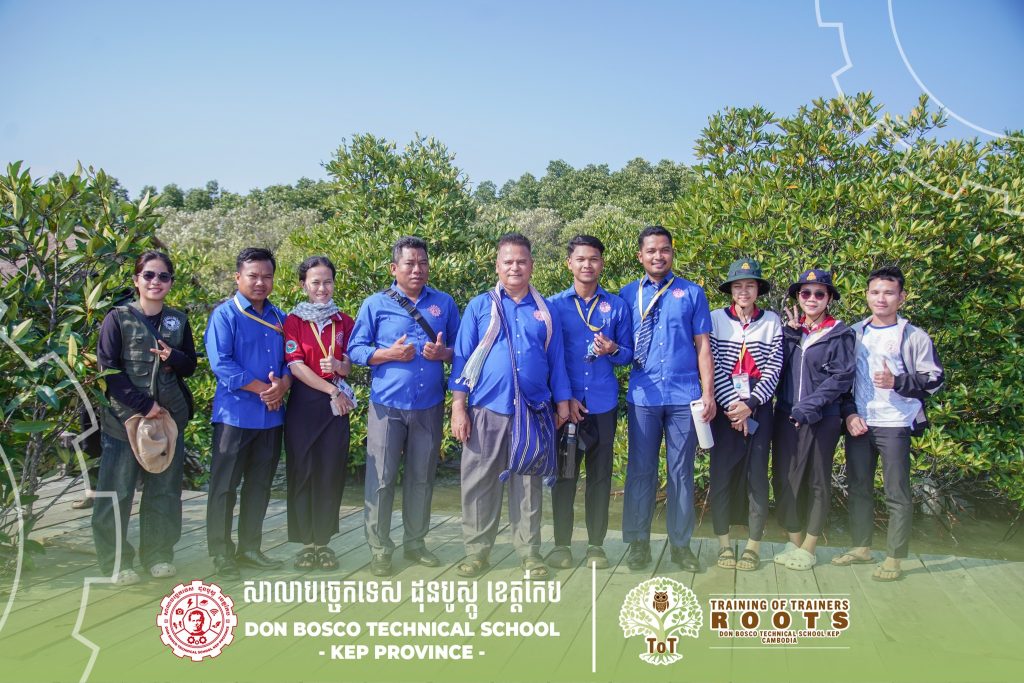
Held at the “Don Bosco Kep Jungle-Garden,” the workshop combined reflection, cultural immersion, and environmental learning. Students from technical and academic tracks, including electricity, secretarial science, information technology, and media communication, participated in the sessions.
Participants raised concern over the growing movement of young people from rural communities to cities for education and work, noting its impact on cultural continuity and the transmission of ancestral traditions.
At the same time, the discussions reflected a willingness to engage with modernization while maintaining cultural roots.
Participants emphasized that access to electricity, internet, and education remains essential for rural development, but must support human dignity and strengthen community life.
Environmental protection also emerged as a key priority. Participants highlighted the consequences of deforestation and ecosystem loss, and stressed the responsibility of communities to actively protect forests, rivers, seas, and mangroves.
Field visits to the Kampong Samaki Community Fishery and the Mangrove Biological Learning Center in Kampot province provided concrete examples of community-led conservation efforts and sustainable livelihoods.
Local communities have worked over the years to protect mangrove ecosystems while securing government support for environmental protection.
The training also underscored the importance of strong community ties, dialogue, and shared responsibility in a culturally diverse society that includes indigenous groups and different religious communities.
Don Bosco Kep has continued to promote sustainability initiatives, including planting 5,000 trees each year. Students have committed to planting at least ten trees in their home communities, extending environmental efforts beyond the school.
The institution is part of the Don Bosco Green Alliance Cambodia and collaborates with provincial authorities to protect mangrove areas and Kep National Park.
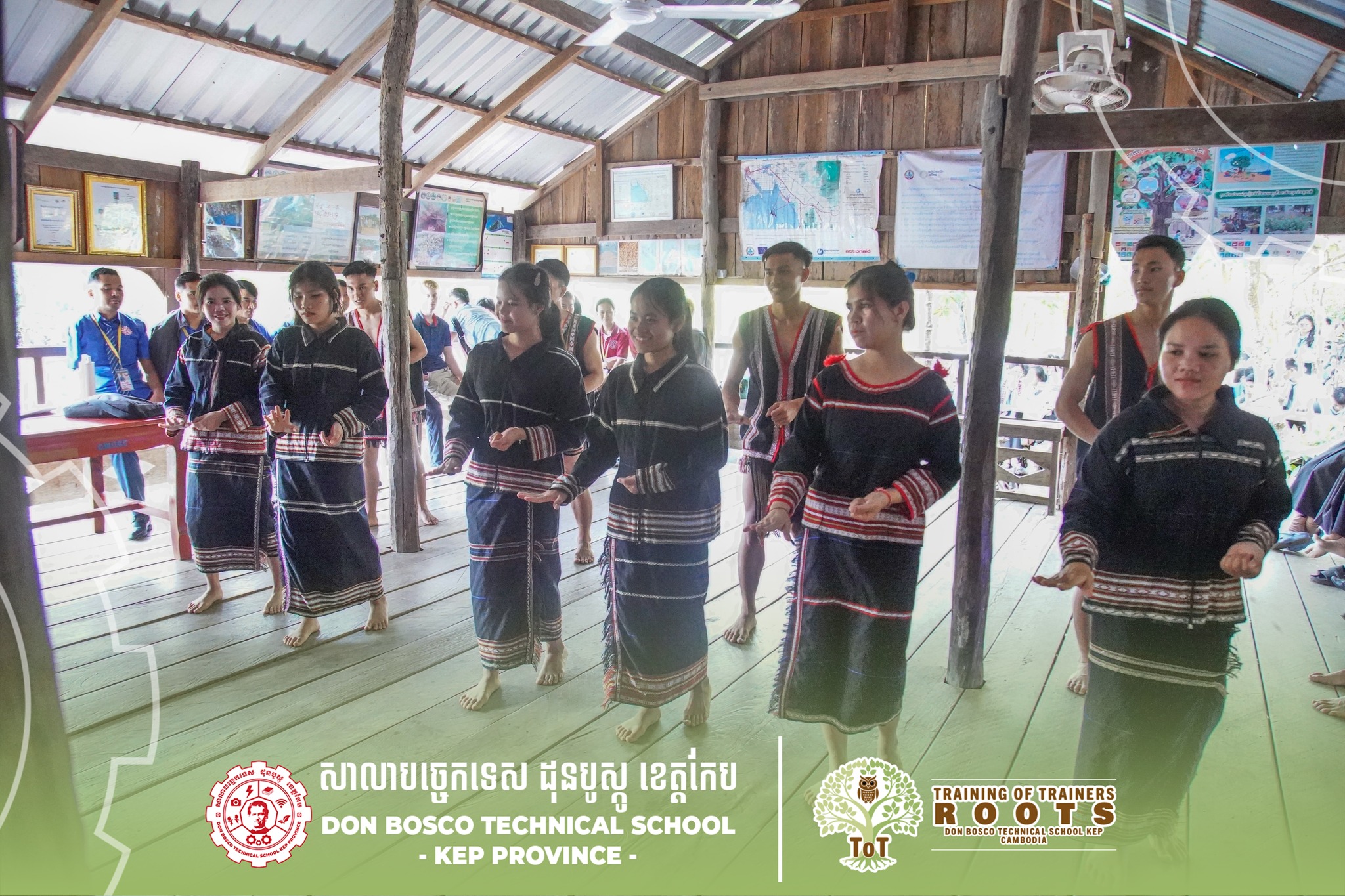
The training concluded with cultural performances rooted in indigenous traditions, reinforcing participants’ commitment to safeguard both heritage and the environment as they return to their communities.