
The Laudato Si’ Movement Indonesia (GLSI), in collaboration with the Catholic Atma Jaya University Yogyakarta, gathered young Catholics from across the country for a three-day training aimed at forming a new generation of ecological advocates grounded in faith.
Held from March 13 to 15, 2026, in Yogyakarta, Central Java, the Laudato Si’ Generation (LSG) Batch 2 training brought together participants from various cities, including Surabaya, Jakarta, Cilacap, Surakarta, Semarang, Malang, and Yogyakarta.
The initiative forms part of broader Church efforts to deepen ecological awareness among young people and translate the teachings of Laudato Si’ into concrete action at personal, community, and societal levels.
“Seeing that all environmental destruction originates from human behavior, and that everything humans do to survive contributes to environmental damage, do we need to reconsider our assumptions and perspectives on what environmental destruction really means?” said Lala, a 10th-grade student from Regina Pacis High School in Solo, reflecting on a session held on March 14.
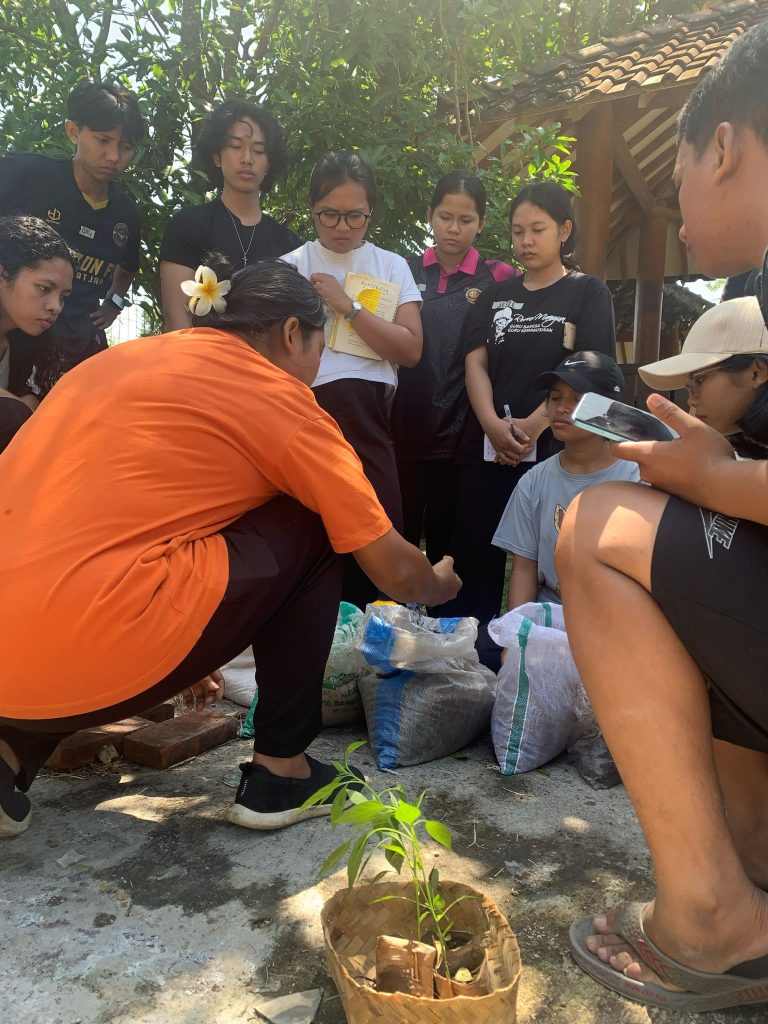
Photo credit: Indonesian Laudato Si’ Movement
A total of 30 participants and committee members joined the training, which combined theological reflection, social analysis, and practical engagement with environmental issues.
Matilda Tjundawan, head of the organizing committee, opened the program by inviting participants to reflect on real environmental problems in their communities, laying the groundwork for deeper discussions in subsequent sessions.
Participants’ ecological sensitivity and critical thinking were further developed through social analysis and problem-solving sessions led by Cyprianus Lilik KP, GLSI’s national coordinator.
Kristien Yuliarti, a member of the GLSI national working team and founder of Omah Hijau in Malang, guided participants in exploring the spiritual dimensions of Laudato Si’, while Prof. Dr. Pramana Yuda of Catholic Atma Jaya University Yogyakarta introduced scientific approaches to understanding ecological crises.
He encouraged participants to observe bioindicators such as birds to assess environmental health, noting that their presence reflects air quality and habitat conditions. Participants were also introduced to soundscapes as indicators of ecological balance.
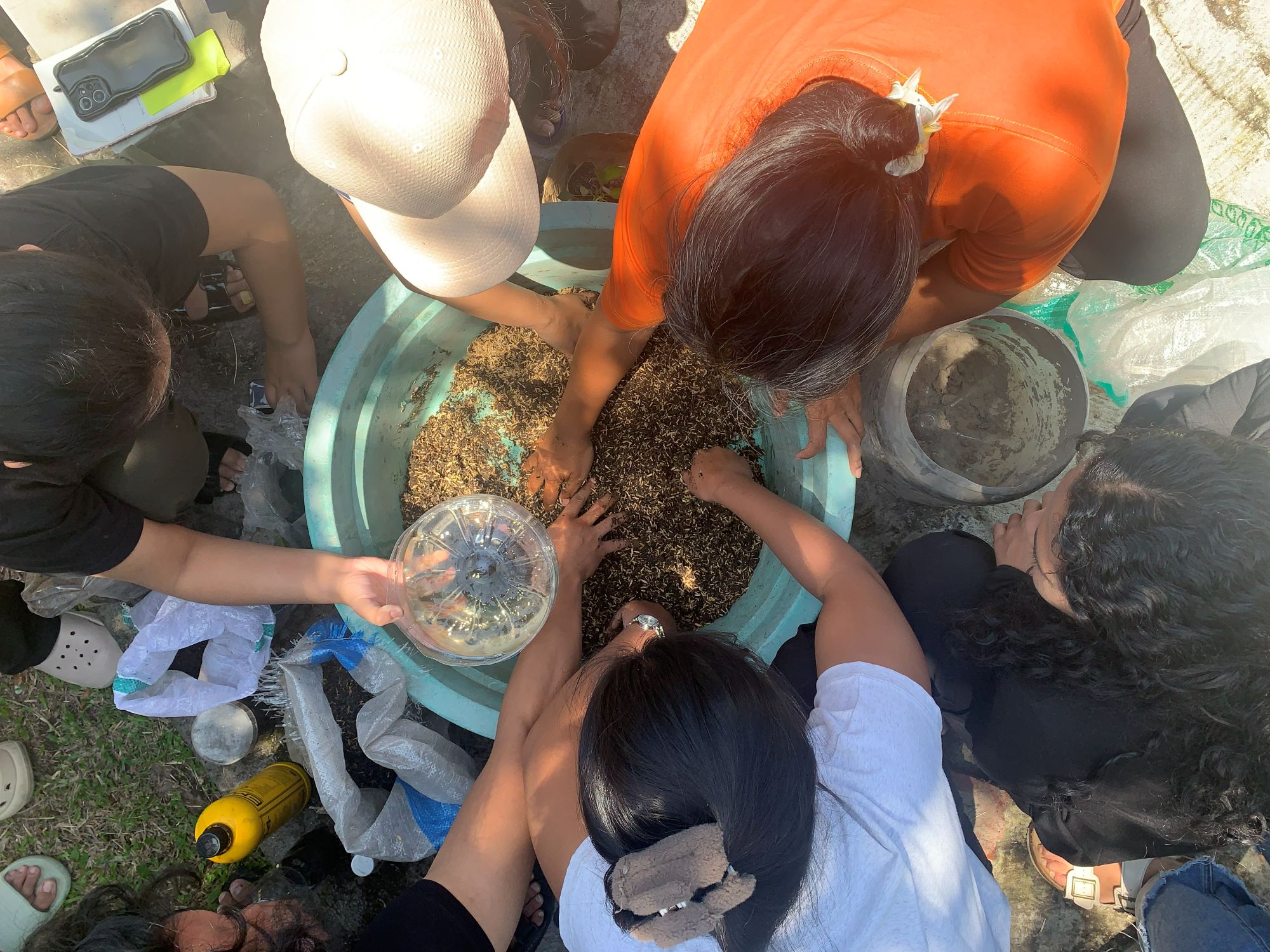
Sessions on sustainable living included practical engagement with food systems and soil restoration. Mrs. Ester of Kebun Candi led participants in identifying food crops and understanding how to restore soil health by reviving microbial life, while Bhuki Prima Sari of Bhumi Bhavana presented on Indonesia’s diverse and sustainable food systems.
The training also addressed structural dimensions of ecological issues. Fr. Martin Jenarut, executive secretary of the Commission for Justice and Peace – Migrant and Itinerant Pastoral Care of the Indonesian Bishops’ Conference (KWI), outlined the Church’s position rejecting the government’s proposal on Special Mining Business Permit Areas (WIUPK) under Government Regulation No. 25 of 2024.
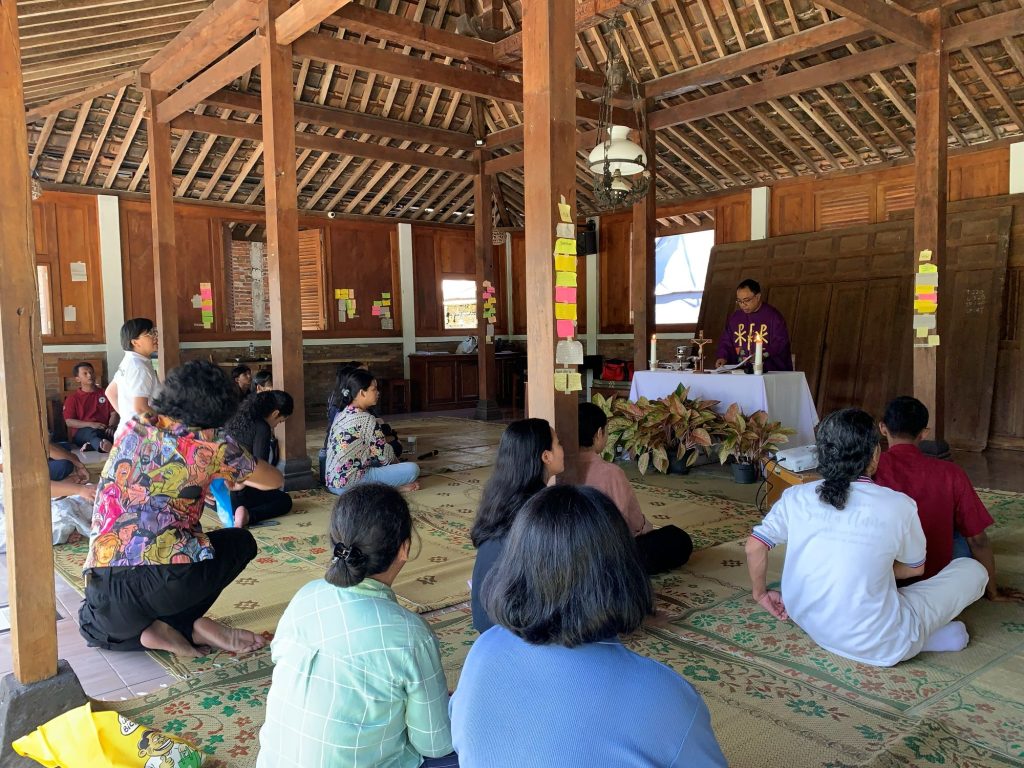
Photo credit: Indonesian Laudato Si’ Movement
He also explained the Church’s theological and moral framework in making such decisions and underscored the growing importance of youth engagement in ecological advocacy.
Participants engaged in collective reflection on applying Laudato Si’ principles in daily life, culminating in what organizers described as an “ecological conversion,” including the confession of personal ecological sins. The program concluded with a Eucharistic celebration presided over by Fr. Jenarut, who affirmed the participants’ mission.
As a follow-up, participants committed to a 21-day Laudato Si’ challenge designed collaboratively to deepen ecological awareness and action.
“This gathering has become a home for sharing perspectives, experiences, and extraordinary ideas that can be translated into collective good practices,” said Tjundawan.
“We have seen how each individual showed remarkable daily progress, even beyond expectations. From these inspiring individuals, we believe seeds of goodness will be sown across many places, continuing to grow.”
Organizers said the training is part of GLSI’s continuing effort to engage young people, in line with priorities set during the 10th anniversary national meeting of the Laudato Si’ encyclical in September 2025 in Sentul City, Bogor Regency, West Java.
GLSI recently completed its Animator of Animators Batch V training conducted online from February to March 2026 and is preparing for Animator Laudato Si’ Batch VI scheduled for April to June 2026.
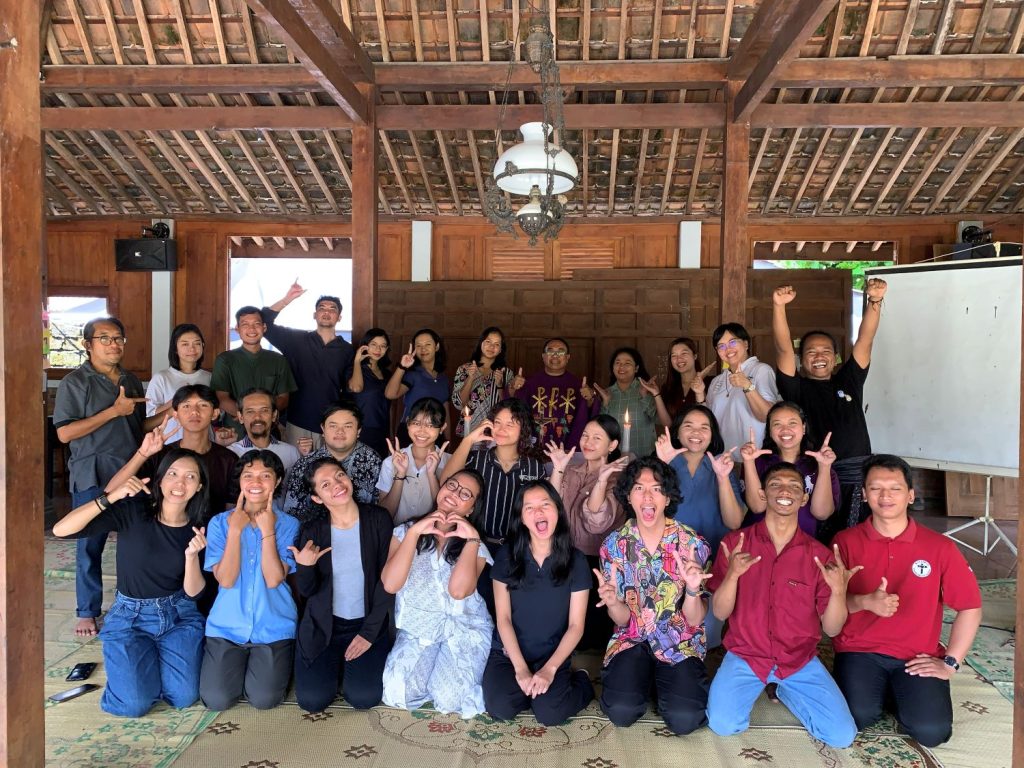
Photo credit: Indonesian Laudato Si’ Movement
The reflection raised by participants during the training pointed to a broader challenge.
“Seeing that all environmental destruction originates from human behavior, and that everything humans do to survive contributes to environmental damage, do we need to reconsider our assumptions and perspectives on environmental destruction?”
Organizers said such questions are central to building critical ecological awareness, warning that without it, shared resources risk being eroded by unchecked individualism.