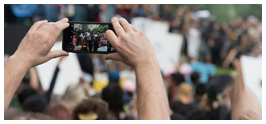
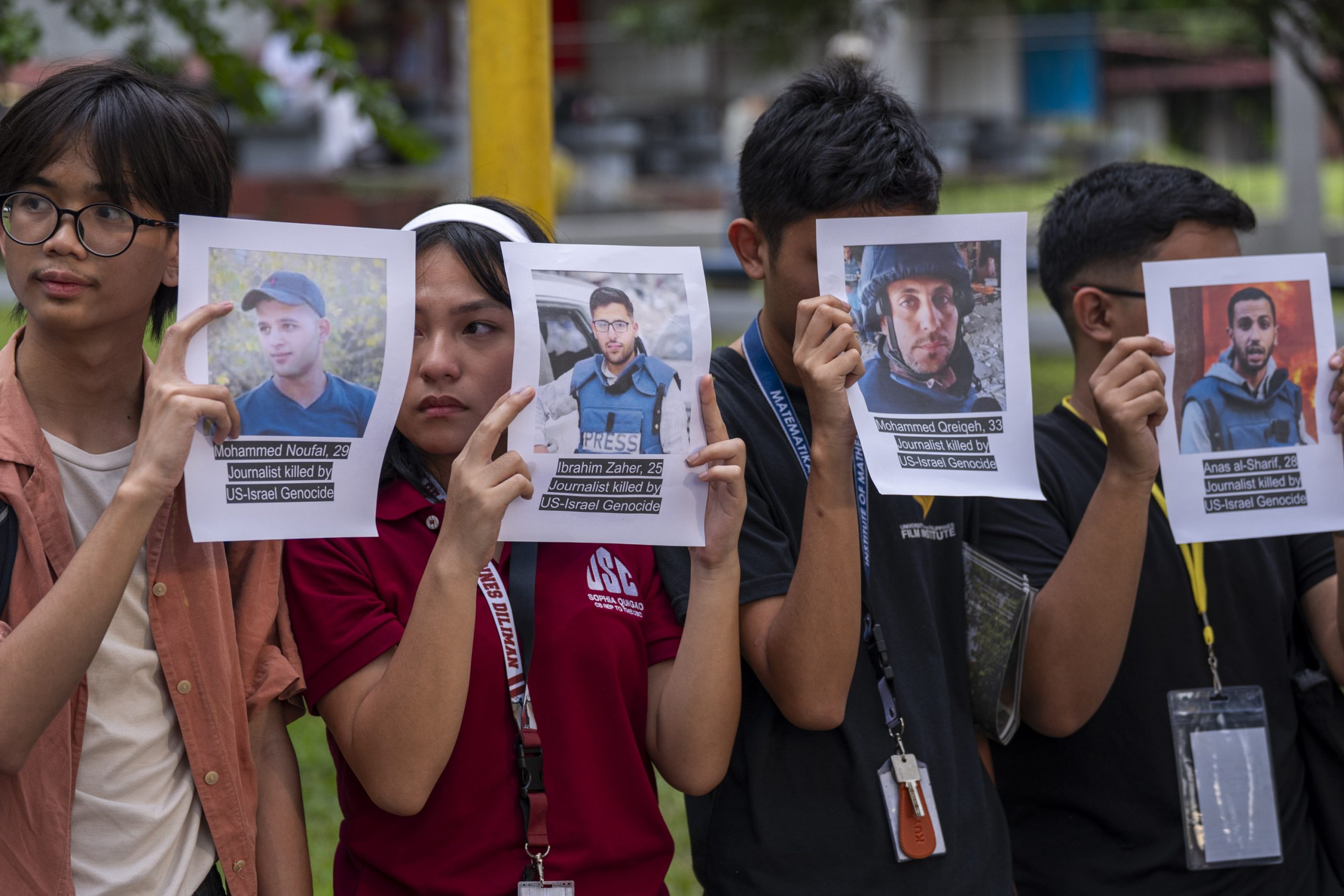
Journalists, students, and press freedom advocates staged a solidarity rally at the University of the Philippines in Quezon City on August 13 to condemn the killing of five Al Jazeera journalists and two other media workers in Gaza.
The slain journalists — Anas al-Sharif, Mohammed Qreiqeh, Ibrahim Zaher, Moamen Aliwa, and Mohammed Noufal — were killed on August 10 when Israeli forces targeted their tent outside al-Shifa Hospital. Freelance reporter Mohammed Al-Khaldi and another person also died in the strike.
The Foreign Correspondents Association of the Philippines branded the attack a “blatant and premeditated attack on press freedom” and urged “urgent international action to safeguard members of the press and hold accountable those who target us.”
The group noted the victims were among the last reporters inside Gaza, where foreign media have been barred since October 2023, forcing local journalists to work under “bombardment, displacement, hunger, and the constant threat to their lives.”
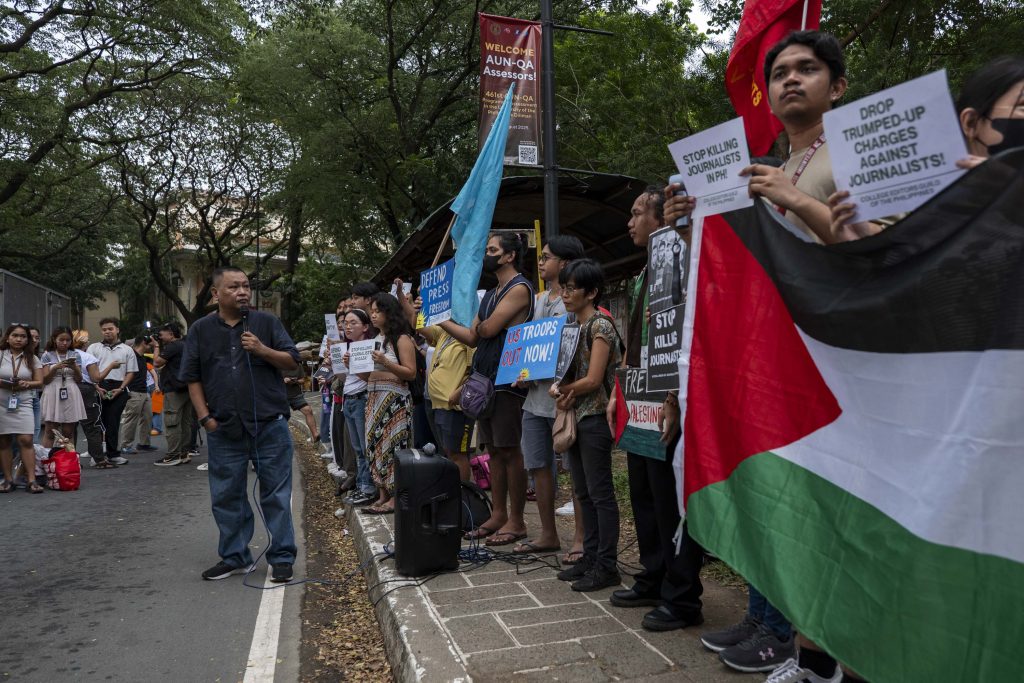
The Photojournalists’ Center of the Philippines called the incident a “deliberate attack” meant to silence coverage of Israel’s occupation and “genocide” in Gaza, urging the “immediate protection of media workers who risk their lives to report the truth from the ground.”
The National Union of Journalists of the Philippines said the Israeli military’s claim that al-Sharif was linked to Hamas was reminiscent of tactics used to “intimidate, discredit and harass journalists, activists and rights defenders” in the Philippines.
The union urged local journalists to continue covering Gaza while pressing the Philippine and Israeli governments for answers.
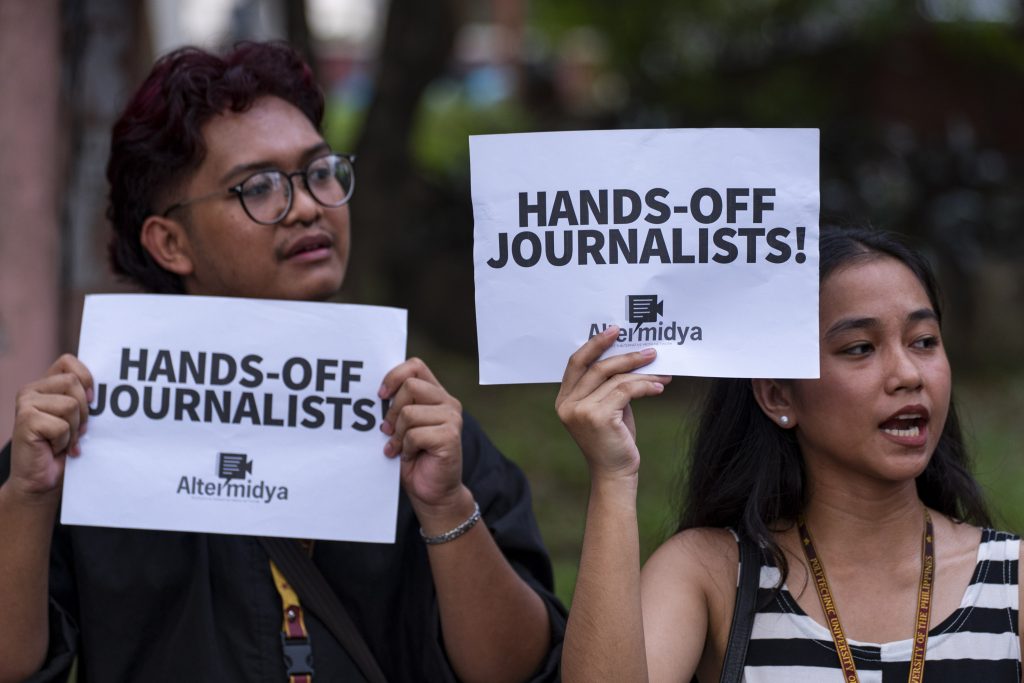
Altermidya Network, to which the slain journalists were professional colleagues, condemned “in the strongest terms” the killing of al-Sharif, a “respected Gaza correspondent.”
It said the accusation that he was a Hamas leader was “falsely claimed” and “hurled against him repeatedly without presenting a shred of evidence,” noting that he and his peers had denied such links many times.
“Evidently, his real ‘crime’ in the eyes of the occupier was his dedication to documenting the truth from the ground,” Altermidya said, adding that al-Sharif and other reporters had recently exposed Israel’s “deliberate starvation” of Gaza’s population and denial of life-saving aid.
The group drew parallels between the repression in Gaza and the vilification of independent journalists in the Philippines, including “red-tagging, harassment, threats, arrests, and even killings” that follow critical reporting.
“While the scale of violence in Gaza is far greater, the underlying tactic is the same: silence truth-tellers, criminalize journalism, and control the narrative,” it said.
In front of Vinzons Hall, members of the College Editors Guild of the Philippines (CEGP) lit candles for the victims and condemned the killings as part of a wider pattern of impunity against the press.
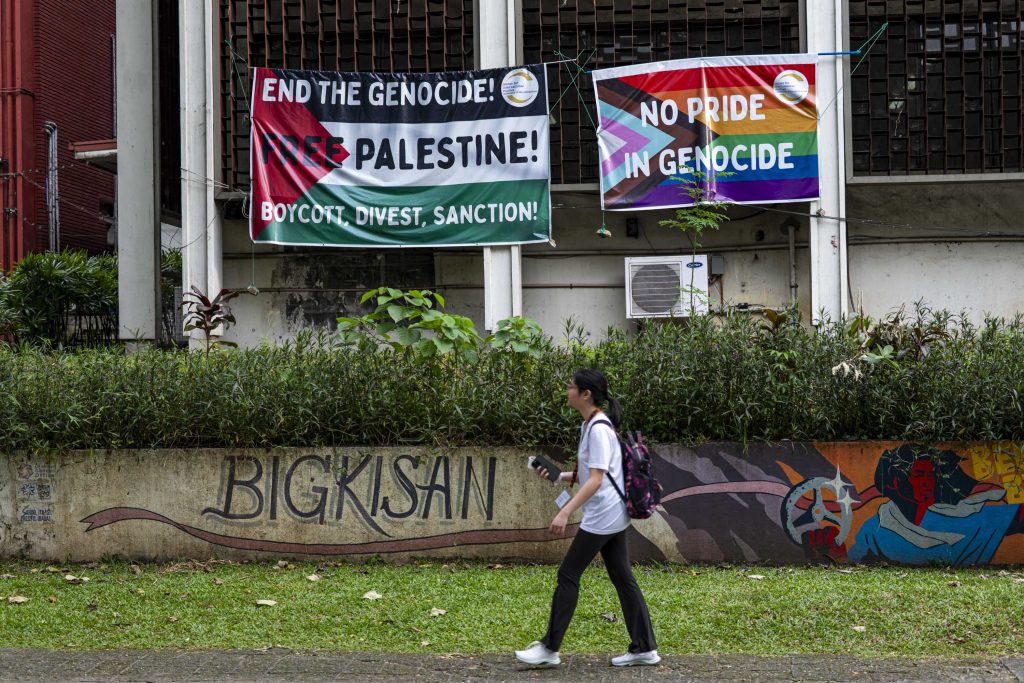
CEGP linked Israel’s tactics — including surveillance, branding journalists as terrorists, and targeted killings — to threats faced by Filipino journalists, and voiced alarm over deepening military cooperation between the Philippines and Israel under President Ferdinand Marcos Jr.
Altermidya Network chairperson Raymund Villanueva said the killings showed that “the occupation of Palestine is a heinous act of demons” who target truth-tellers.
According to the United Nations, more than 200 journalists and media workers have been killed in Gaza since October 7, 2023, making it the deadliest conflict for the press in recent history. Amnesty International has described Gaza as the most dangerous war zone for journalists in decades.