Archbishop Linus Neli of Imphal has warned that India’s plan to build a fence along the border with Myanmar risks worsening divisions in the conflict-torn state of Manipur.
“Here in Manipur, we find ourselves in a situation similar to that in Korea or in divided Germany, where the same people are separated by a border,” Archbishop Neli told Fides News Agency.
The prelate said the Kuki-Zo people “live partly in the Indian state of Manipur and partly across the border in Myanmar” – a border that was established by the British Empire and “has always been very permeable due to cultural and social similarities.”
“Now, India’s project to build a fence is putting decades-old customs and exchanges into crisis,” he added.
The federal government’s proposal to fence the more than 1,600-kilometer frontier with Myanmar has alarmed tribal groups whose communities straddle both sides of the border.
Representatives of at least 16 Kuki-Zo villages in Manipur have written to authorities, warning of “the serious impact this measure will have on the local population.”
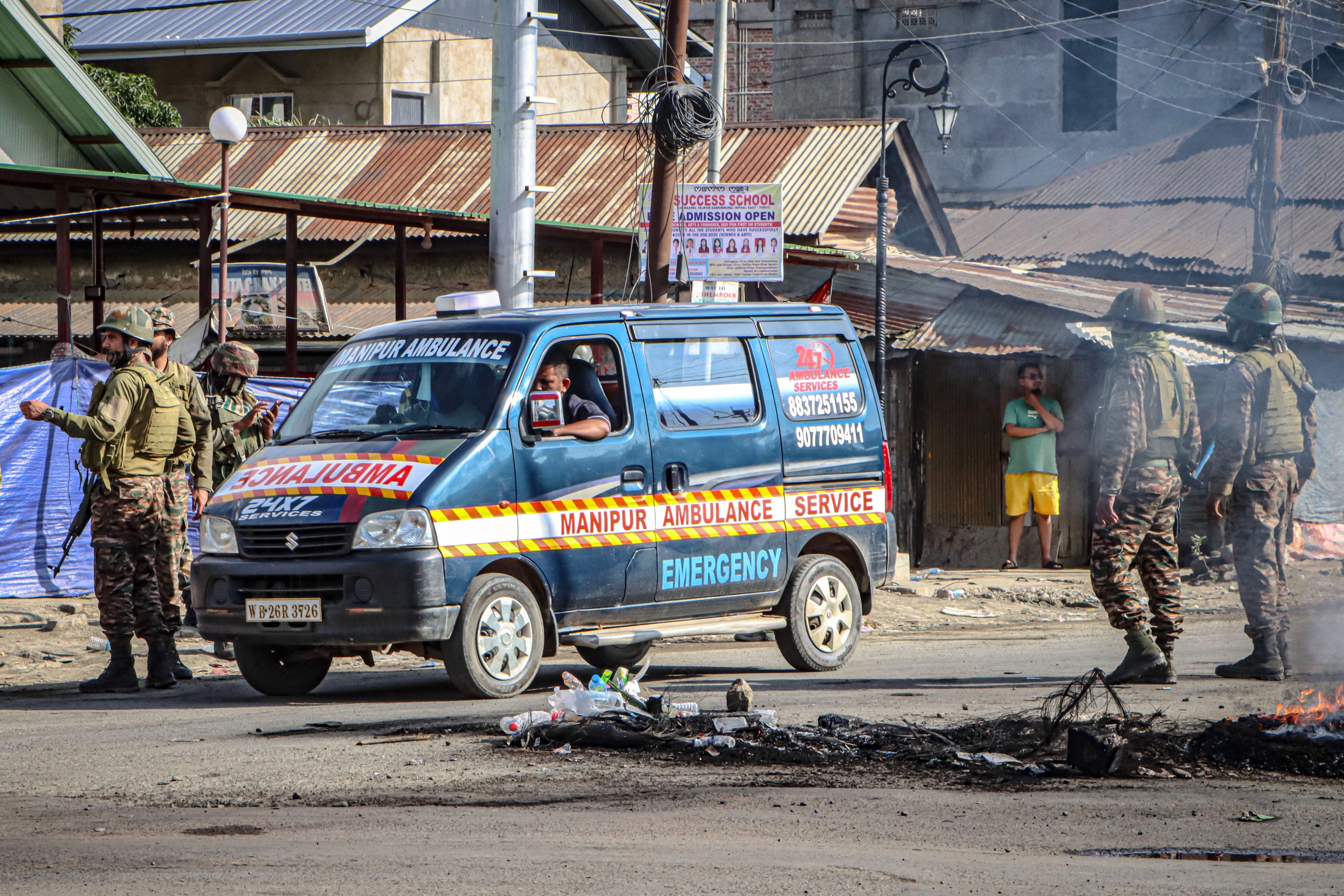
Manipur remains deeply fractured following the violent clashes between the Meitei and Kuki-Zo tribes in May 2023, which displaced over 60,000 people.
The ethnic communities now live in strictly segregated zones, with the Kuki-Zo and other tribal groups pushing for a separate administration—an idea strongly opposed by the Meitei majority.
Given these tensions, Archbishop Neli said, “a government measure to fence the entire 400-kilometer-long Manipur-Myanmar border raises problems.”
The Manipur section is part of a longer boundary separating India from Myanmar, which also touches the Indian states of Mizoram, Nagaland, and Arunachal Pradesh, and on the Burmese side, the regions of Kachin, Sagaing, and Chin.
The Indian government has justified the move as a security measure aimed at curbing “criminal activities such as drug trafficking and smuggling.”
Archbishop Neli cautioned that while the government cites security concerns, such as drug trafficking and smugglin,g to justify the border fence, the measure would disrupt the daily lives of tribal communities, limiting their economic and social interactions.
He also noted that the rugged terrain of forests, rivers, and mountains would make securing the border extremely difficult.
The prelate said local residents are deeply concerned about where the government’s plan might lead and how it could intensify existing tensions.
He urged authorities to act with caution, weigh all aspects carefully, and consider the long-term implications for peace in Manipur.
He stressed that any solution must be rooted in justice and reconciliation, saying, “We are working and striving for a lasting peace. We are committed to this with all our strength. The solution to the conflict must be political, based on justice and fairness, and recognizing the rights of all.”