The United Nations weather agency warned that strengthening El Niño conditions could bring drier-than-average weather to parts of Southeast Asia during this year’s monsoon season, urging governments to prepare for increasingly severe climate impacts as the phenomenon intensifies.
The World Meteorological Organization (WMO) said strong El Niño conditions are expected to develop rapidly between July and September, increasing the likelihood of heatwaves and other extreme weather worldwide.
According to WMO’s latest Global Seasonal Climate Update, forecasts from its partners indicate a “consistent and significant warming of ocean temperatures” across the central and eastern equatorial Pacific, with “high confidence” that the climate pattern will strengthen in the coming months.
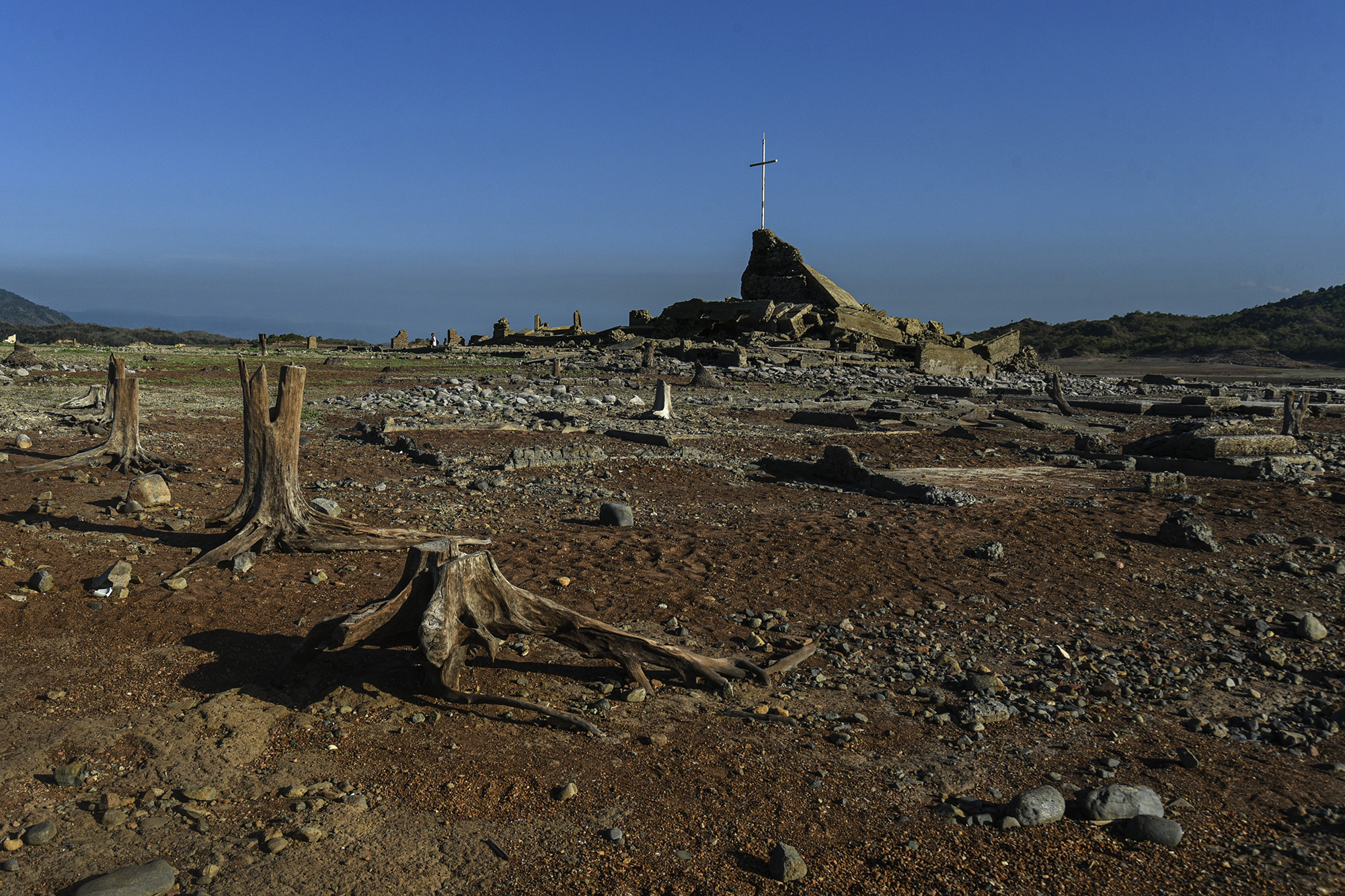
For Southeast Asia, the outlook points to drier-than-average conditions in parts of Indonesia and the broader region during the monsoon season.
“El Niño will also give an extra boost to global temperatures,” WMO scientist Alvaro Silva said. “We know that during El Niño years, the global temperatures normally reach record levels.”
The agency said El Niño typically develops between March and June, peaks between November and February, and often exerts its strongest influence on global temperatures in the year following its onset.
WMO said stronger El Niño conditions increase the likelihood of extreme weather and climate events beyond those already driven by human-induced climate change.
“The intensity of El Niño is important because it increases the likelihood of extreme weather and climate events in different parts of the world…on top of long-term climate change due to human activities,” Silva said.
Beyond Southeast Asia, WMO forecast drier-than-average conditions across parts of Central America, the Caribbean, and North and South America. It also warned of a “prolonged and dangerous heatwave” affecting the central and eastern United States and said East Africa could experience above-normal rainfall and flooding later this year because of another climate driver, the Indian Ocean Dipole, if it develops.
The agency said the outlook has prompted an “unprecedented mobilization” by WMO, its members, and regional climate centers to support governments with timely forecasts aimed at saving lives and protecting livelihoods.
“We have a window to act for preparedness for early action. And this window is narrowing in some regions,” Silva said.
For areas expecting drought, he said priorities include ensuring sufficient water supplies for agriculture, energy production, and other essential activities.
WMO said El Niño is one of the world’s most powerful climate drivers, but its effects vary depending on its intensity, duration, timing, and interaction with other climate patterns. The agency also noted that “Even when ENSO is neutral, extreme weather can still occur.”