

Algorithms can compute possibilities in milliseconds, but they lack the moral compass required to determine whether an action should be taken.
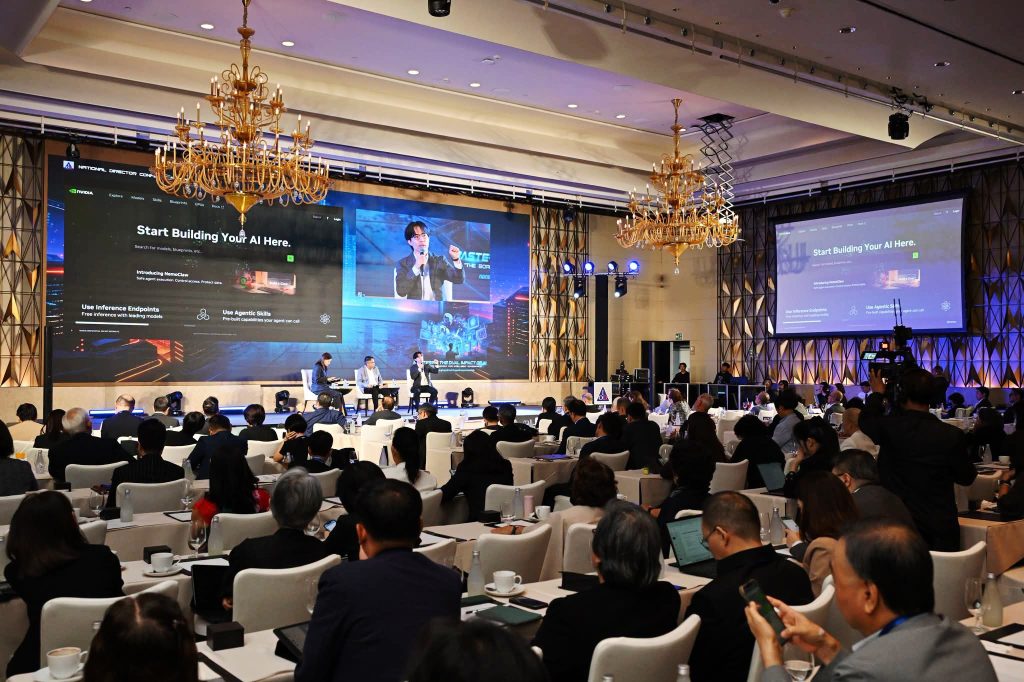
That was the message delivered to executives and business leaders gathered at the Siam Kempinski Hotel Bangkok on July 21 for the National Director Conference 2026, themed “Mastering the Dual Impact of AI.”
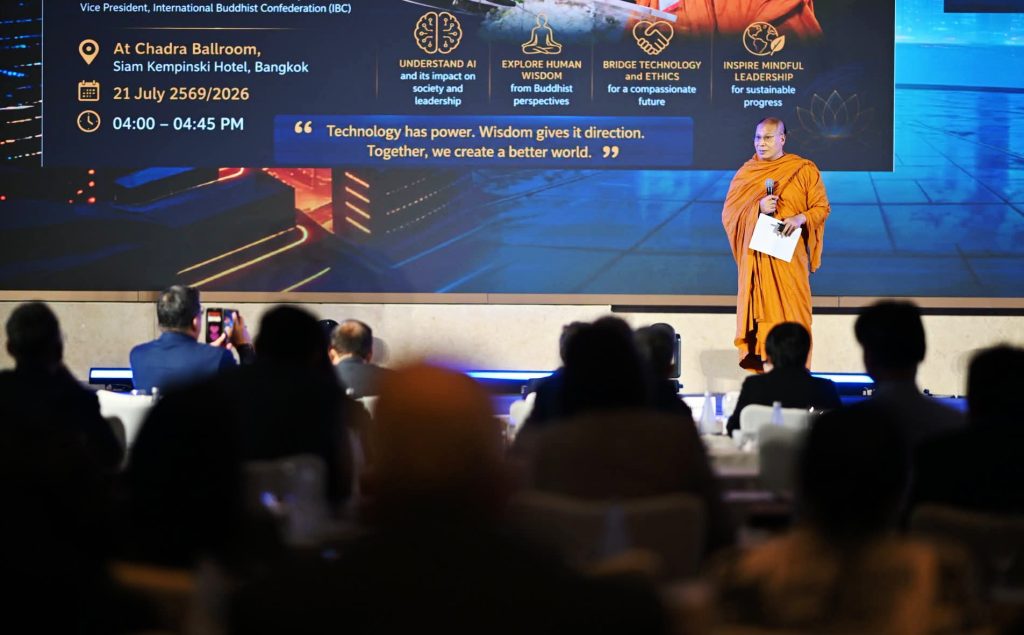
Organized by the Thai Institute of Directors, or IOD, the conference concluded with a keynote address by Buddhist scholar Phra Phromsakyawong Visuddhi, known as Phra Ajarn Anil or Anilman Dhammasakiyo.
Phra Ajarn Anil, honorary president of the World Buddhist University and vice president of the International Federation of Buddhists, delivered an address titled “Artificial Intelligence under the Guidance of Human Intelligence.”
Convergence of Faith and Ethics
Phra Ajarn Anil offered a perspective that differed from the technical and strategic discussions held earlier in the day. For Catholic participants, his reflections echoed the teachings of Pope Leo XIV in his encyclical, Magnifica humanitas.
In the encyclical, the pope cautioned against allowing AI to “dominate humanity,” urging that technology remain “human-friendly,” accessible, and subject to moral debate.
Pope Leo emphasized that a person’s dignity does not depend on output or productivity and that technological advances should serve human flourishing, beginning with the most vulnerable.
Supachai, a Catholic executive who attended the conference, noted the parallels.
“There are many similarities in his talk that resonate with what the Holy Father has already warned us about in his encyclical,” Supachai said. “Both call us to remember that technology must serve the person, not the other way around.”
Phra Ajarn Anil invited the board members to reflect on a question: “As technology becomes increasingly intelligent, are humans losing their own value?”
He said the question matters more than debates over the limits of machines. The world, he noted, will judge not only the capabilities of AI but also the moral character of the people who design, deploy and direct it.
Human Duty: Answering “Why” Over “How”
Addressing the limits of emerging technologies, Phra Ajarn Anil distinguished between process and intent:
- AI answers how: Machines can perform calculations, analyze information, recognize patterns and process data.
- Humans answer why: Machines have no morality, intent, conscience or accountability. They learn from data provided by humans.
When artificial intelligence makes errors or causes harm, he said, responsibility rests with the people who designed, approved, and supervised the systems, not with the tools themselves.
Phra Ajarn Anil also warned about the effects of excessive reliance on digital technology. He cited phubbing, or ignoring people physically present in favor of screens; parasocial detachment; and social withdrawal known as hikikomori.
“Therefore, we should seek not merely smarter AI, but intentional digital balance — stepping back from screens to relearn how to coexist with one another,” he advised.
Intelligence Versus Wisdom
Phra Ajarn Anil also distinguished between intelligence and wisdom.
While intelligence involves processing information, wisdom requires the ability to understand cause and effect, recognize systemic consequences, and distinguish right from wrong.
Wisdom, he explained, requires mindfulness, or sati: an awareness of one’s motives and whether actions are driven by greed, anger, or delusion.
Closing his address, Phra Ajarn Anil warned that human intelligence, when separated from moral mindfulness, can be used to exploit others just as easily as an unguided machine.
The obligation of corporate leaders, he concluded, is to guide technological development and ensure that “human wisdom remains the sovereign authority over artificial capability.”