The Society of Jesus in Indonesia has marked 55 years as an independent province, reflecting more than half a century of growing responsibility for the Church and society in the world’s largest Muslim-majority country.
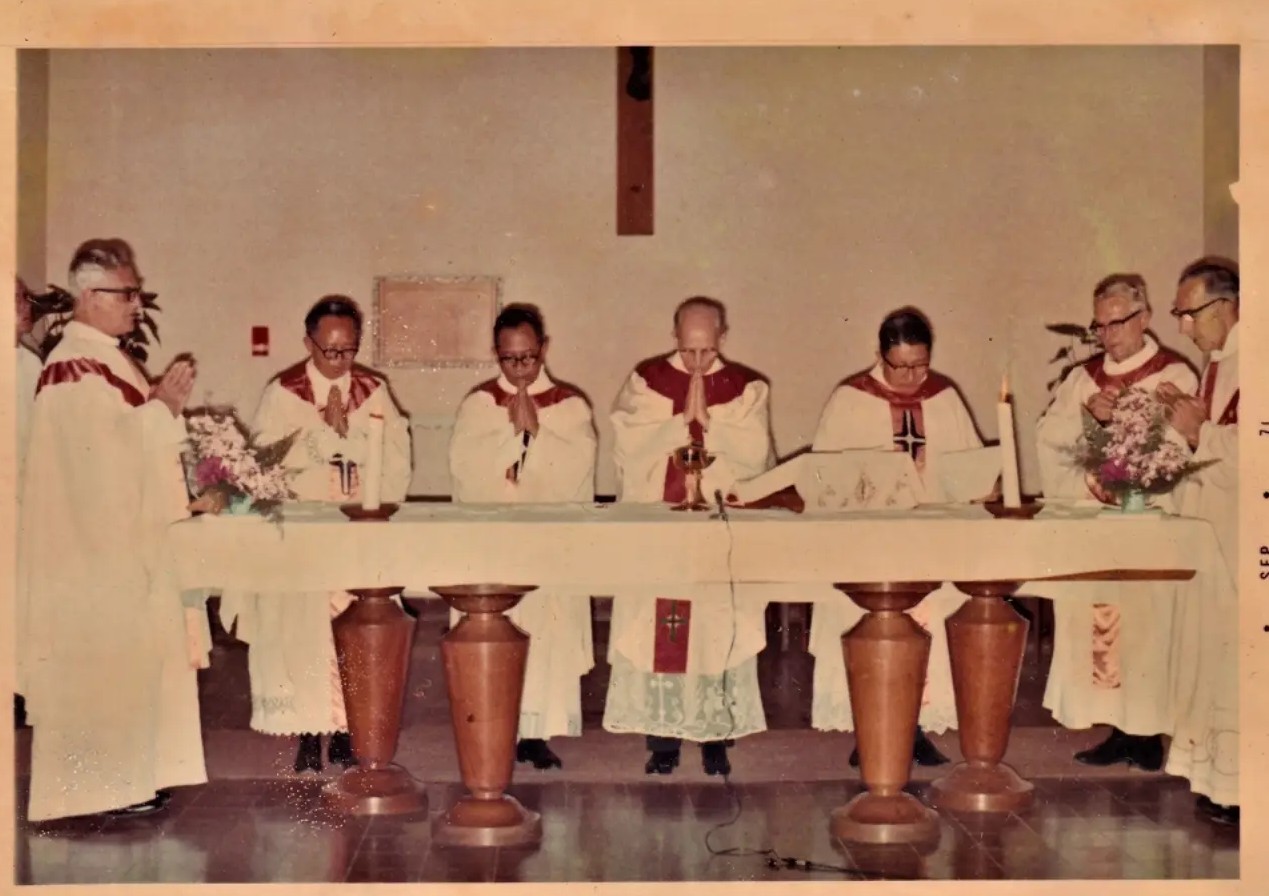
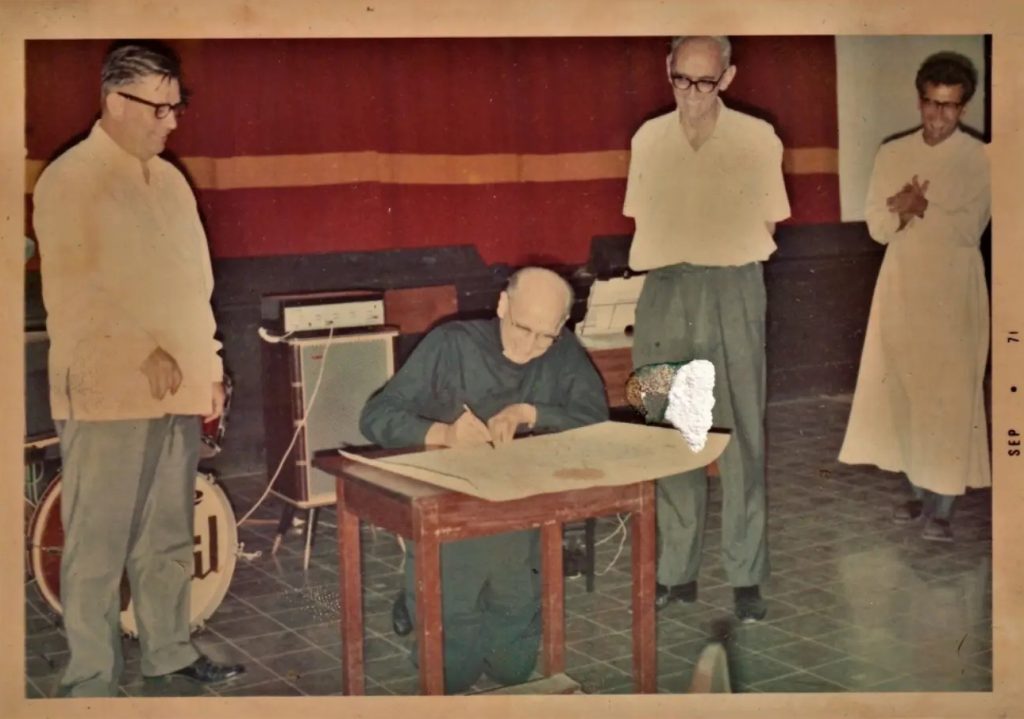
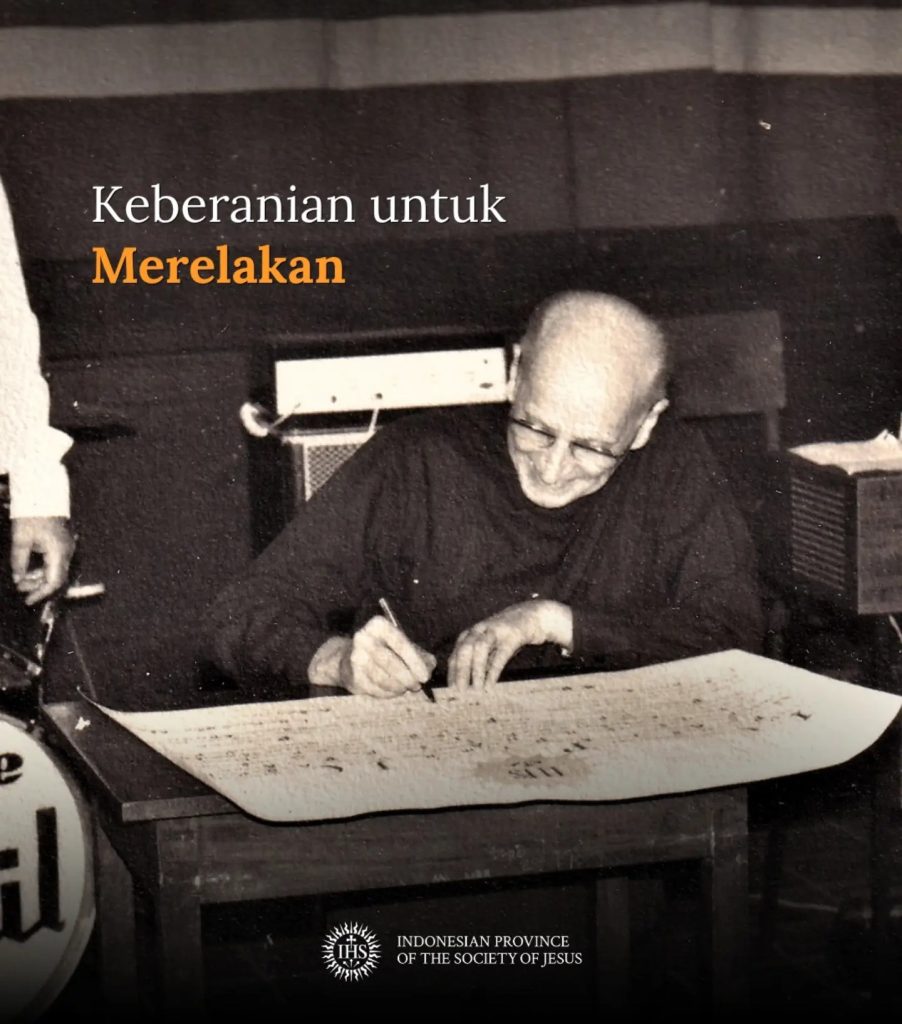
The anniversary fell on Sept. 8, recalling the day in 1971 when then-Jesuit Superior General Father Pedro Arrupe, SJ, formally established Indonesia as an independent province.
The date coincided with the Feast of the Nativity of the Blessed Virgin Mary.
Before becoming a province, the Jesuits in Indonesia were organized as a vice province. The transition to provincial status reflected the growing number of Indonesian Jesuits and the development of their apostolic works.
The Jesuit presence in the Indonesian archipelago, however, goes back much further.
Jesuit historian Father Hasto Rosariyanto, SJ, said there was no specific celebration for the 55th anniversary.
He also said a book intended to commemorate the province’s 50th anniversary had not yet been released.
“Also, there is no specific event to mark the 55th anniversary of our Provindo,” said Rosariyanto, an emeritus lecturer in Church history at the Faculty of Theology of Sanata Dharma University in Yogyakarta.
From Francis Xavier to an Indonesian province
St. Francis Xavier arrived in the Moluccas in 1546, becoming one of the first Jesuits to proclaim the Gospel in the Indonesian archipelago. After the early Jesuit mission ended, Jesuits from the Netherlands returned to Indonesia in 1859.
The mission gradually developed toward greater local responsibility.
On Feb. 4, 1956, Jesuit Superior General Father Johannes Baptista Janssens separated the Missio Javensis from the Dutch Province and established it as the Vice Province of Indonesia.
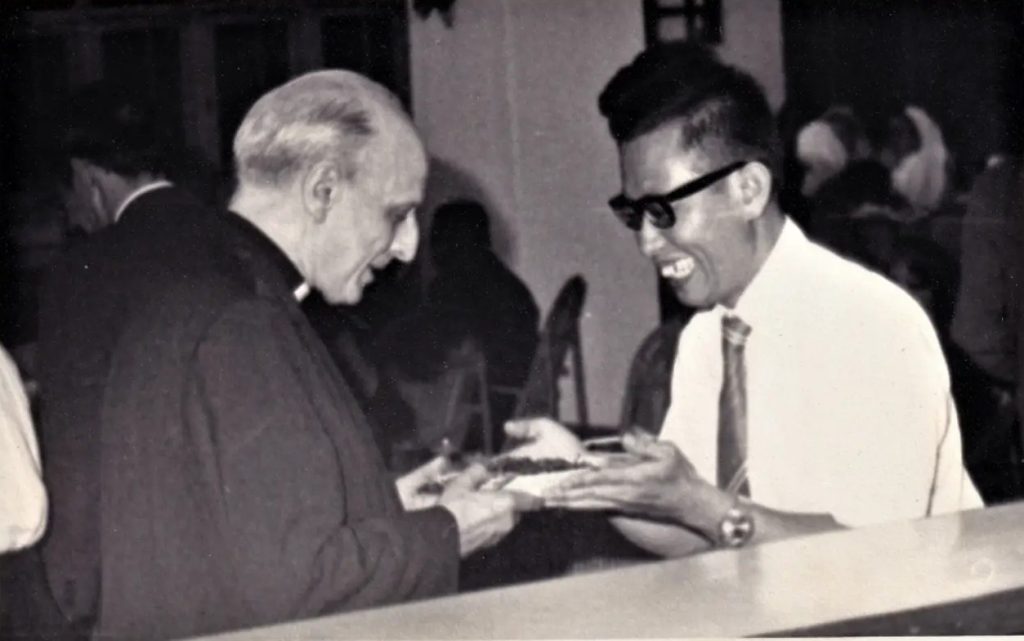
In 1967, leadership was entrusted to Indonesian Jesuit Father Antonius Soenarja, SJ. Four years later, he became the first provincial when Indonesia was formally established as an independent Jesuit province.
Twelve provincials
Since becoming an independent province, the Indonesian Jesuit Province has been led by 12 provincials.
In the Jesuit tradition, a provincial is selected through the terna system, in which three candidates are presented to the superior general, who chooses one of them.
Father Antonius Soenarja, SJ, served as provincial from 1971 to 1975. He was succeeded by Father Paulus Suradibrata, SJ, from 1975 to 1981, and Father Julius Darmaatmadja, SJ, from 1981 to 1983.
Darmaatmadja later became bishop of Semarang and archbishop of Jakarta, and the country’s second cardinal.
Father Josephus Darminta, SJ, served as provincial from 1984 to 1989.
Before leading the Indonesian Jesuit Province, Soenarja, Suradibrata and Darmaatmadja had served as rectors of St. Peter Canisius Minor Seminary in Mertoyudan, Magelang, Central Java, a formation school for seminarians established on May 30, 1912.
The next provincials were Father Franciscus Xaverius Danuwinata, SJ, from 1989 to 1990; Father Carolus Putranto, SJ, from 1990 to 1996; Father Paulus Wiryono Priyotamtama, SJ, from 1996 to 2002; and Father Agustinus Priyono Marwan, SJ, from 2002 to 2008.
They were followed by Father Robertus Bellarminus Rijo Moersanto, SJ, from 2008 to 2014; Father Petrus Sunu Hardiyanta, SJ, from 2014 to 2020; and Father Benedictus Hari Juliawan, SJ, from 2020 to 2026.
Father Albertus Bagus Laksana, SJ, became the 12th provincial in 2026 and is to serve through 2032.
The succession of provincials reflects the changing contexts in which Indonesian Jesuits have carried out their mission, from consolidating an Indonesian Jesuit presence to engaging with a rapidly changing society.
Education at the heart of the mission
Education has remained one of the most visible areas of Jesuit work in Indonesia.
Among the province’s major institutions are Sanata Dharma University in Yogyakarta, the Driyarkara School of Philosophy in Central Jakarta and the Wedabhakti School of Theology in Yogyakarta.
Jesuit educational institutions also include vocational schools and technical education centers such as SMK PIKA, which specializes in woodworking in Semarang, Central Java; SMK St. Mikael in Solo; and ATMI Polytechnic in Solo and Cikarang, West Java.
Many Jesuit schools follow the Ignatian Pedagogical Paradigm, seeking not only academic excellence but also the formation of young people who are competent, compassionate and committed to justice.
Jesuit-run high schools and formation institutions include Canisius and Gonzaga colleges in Jakarta, de Britto College in Yogyakarta, Loyola College in Semarang, Le Coq d’Armandville College in Nabire, Papua, St. Peter Canisius Minor Seminary in Magelang, Central Java, and Wacana Bhakti Minor Seminary in South Jakarta.
The Jesuits are also involved in wider educational networks, including the Kanisius Foundation in the Archdiocese of Semarang and the Strada Association in the Archdiocese of Jakarta.
Through these institutions, the Indonesian Jesuit Province has sought to contribute to society beyond the Catholic community.
Pastoral and social engagement
Jesuit ministry in Indonesia also includes pastoral service in parishes, spiritual retreats and formation, as well as social and humanitarian work.
Alongside their educational mission, Indonesian Jesuits are involved in spiritual and nonspiritual formation through institutions such as Girisonta Retreat House in Ungaran and Sangkalputung Retreat House in Klaten, as well as vocational training in agriculture at KPTT Salatiga, all in Central Java.
Jesuits have accompanied communities in remote areas and worked with refugees through the Jesuit Refugee Service.
Their humanitarian work has included assistance to refugees from Vietnam and Cambodia on Galang Island and the later accompaniment of communities affected by conflict in Timor-Leste, Maluku and Aceh.
Indonesian Jesuits have also become increasingly involved in the Society of Jesus’ international mission. They have been sent to countries including Myanmar, Thailand, Cambodia, Japan, Taiwan, Italy, Timor-Leste and Micronesia.
The story of the Indonesian Province is therefore no longer simply one of Jesuits serving Indonesia. It has also become part of the wider mission of the Society of Jesus across Asia and beyond.
A changing mission
The 55th anniversary comes as the Indonesian Church and society face significant changes.
Digital technology is transforming communication and education, while environmental degradation, economic inequality, migration, religious tensions and rapid cultural change are creating new pastoral and social challenges.
For the Jesuits, these developments require continued discernment on how to remain faithful to their Ignatian identity while responding to new realities.
The growing role of lay collaborators is also changing how Jesuit ministries are carried out. Many apostolic works now depend on cooperation between Jesuits and lay people who share commitments to education, faith formation, social justice and service.
Before becoming provincial, Laksana served as rector of Sanata Dharma University and dean of the Wedabhakti School of Theology. He is also known for his work in comparative theology.
Renewed and sent
For the Indonesian Jesuits, the 55th anniversary is not simply an occasion to look back.
It is an opportunity to remember the missionaries and Indonesian Jesuits who built the foundations of the province, give thanks for the works developed over the decades, and discern how the Society should respond to the needs of the Church and Indonesian society today.
Becoming an independent province did not mean that the Jesuits would walk alone. Rather, it brought greater responsibility to collaborate with the local Church, lay people and wider society.
After 55 years, the fundamental call remains rooted in the spirituality of St. Ignatius Loyola: to seek and find God in all things, serve the Church, and be sent where the needs are greatest.
For the Jesuit Province of Indonesia, the anniversary points both backward and forward — to a long history of mission and to a future that calls for continual renewal.
Renewed in Christ and sent forth: this is the challenge and mission as Indonesian Jesuits enter the next chapter of their journey.