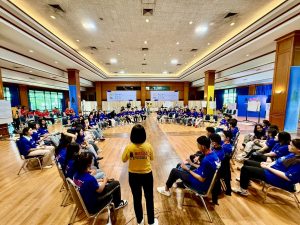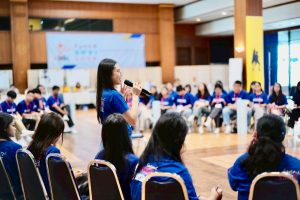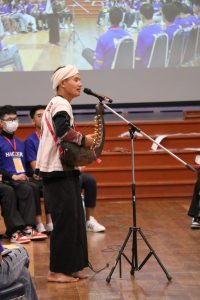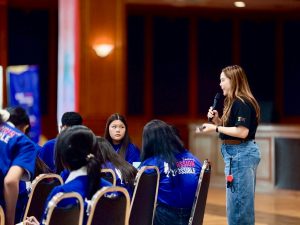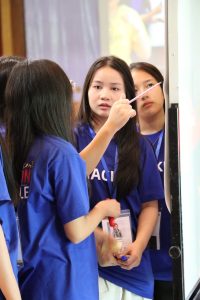
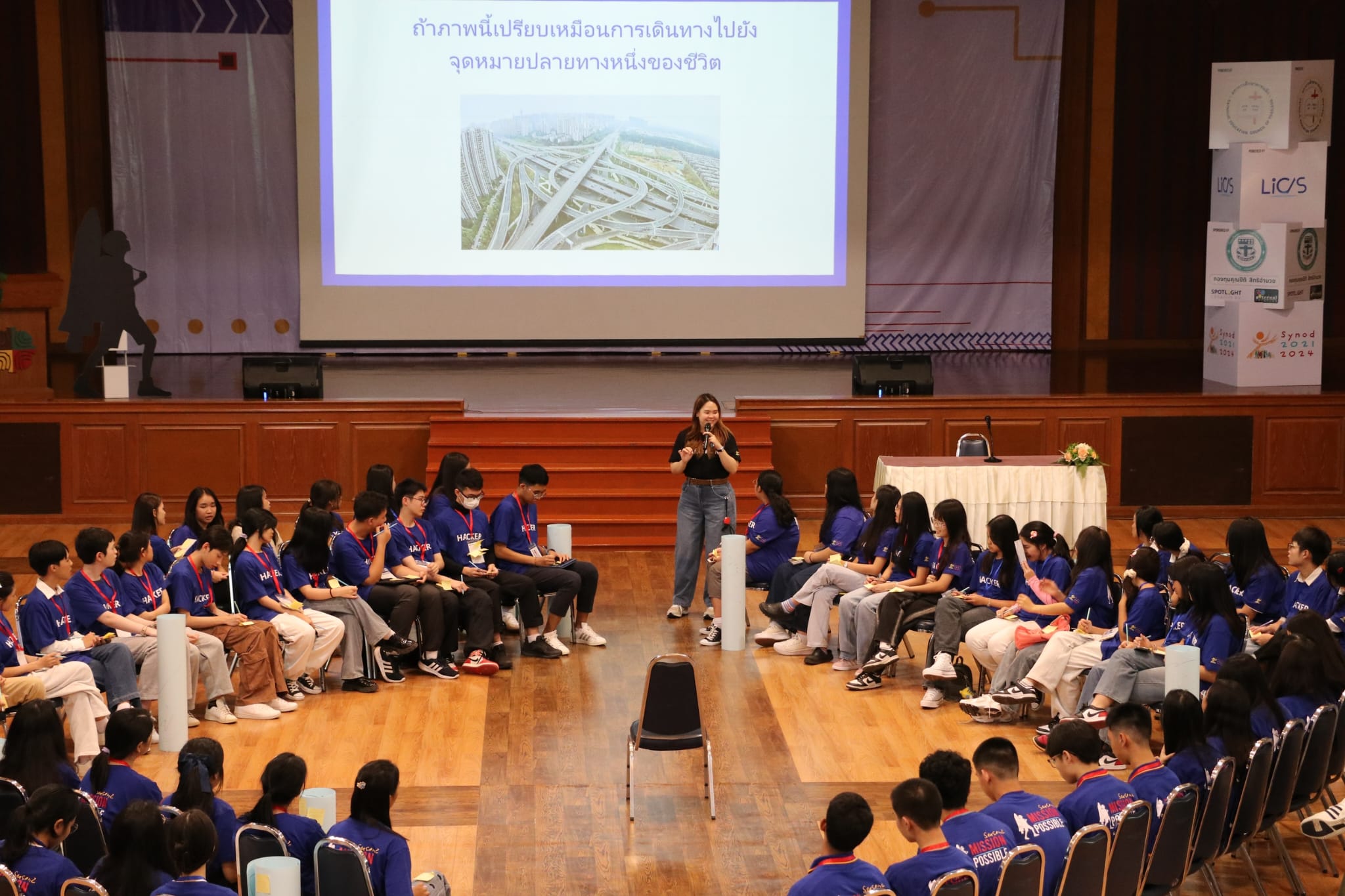
July 11, Day One of the second season of the MISSION POSSIBLE Youth Social Hackathon launched with high energy, youthful enthusiasm, and powerful storytelling as over 70 students representing 12 Catholic schools across Thailand gathered at the serene Baan Phu Waan Pastoral Training Center, just 60 kilometers west of Bangkok.
The three-day event, co-organized by the Catholic Education Council of Thailand (CECT) and LiCAS News, brings together mostly Buddhist students from diverse regions of the country to explore pressing social issues through the lens of synodality—journeying together, listening deeply, and responding creatively.
Inspired by startup-style hackathons, the initiative flips the script. Instead of asking, “What can I get?”, the question posed is, “What can I give?” Over the next three days, these young participants will work in teams to develop real-world solutions to real-world challenges—and pitch their ideas to a panel of judges on the final day.
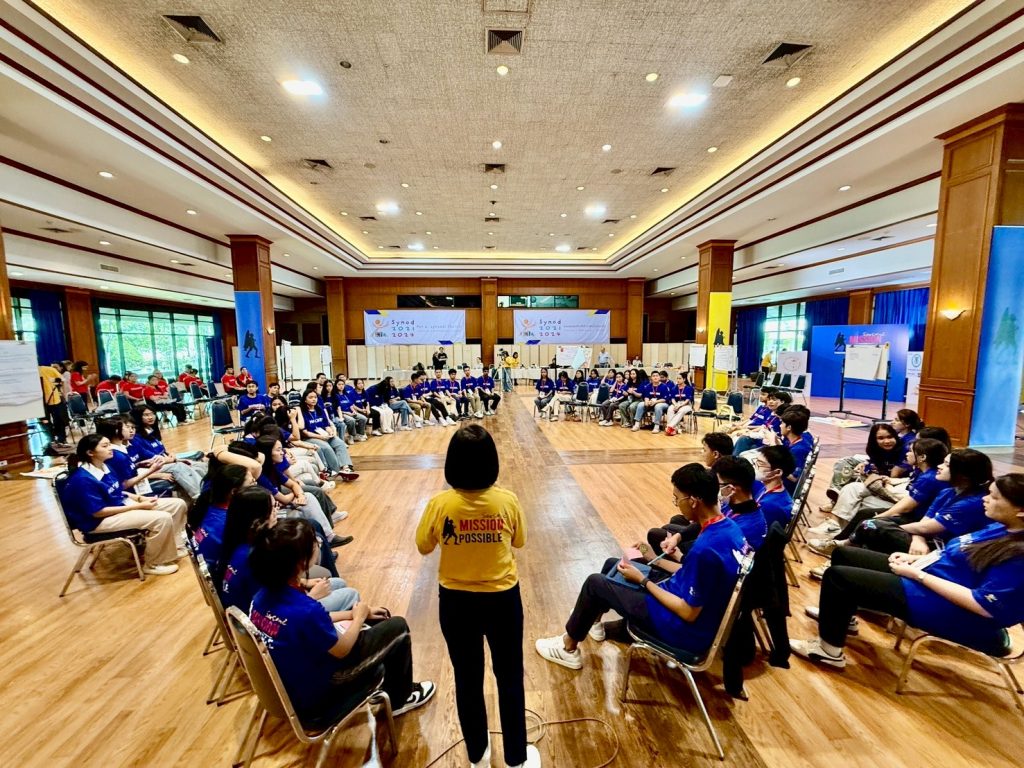
Warm Welcome, Shared Purpose and Genuine Connections
After arriving on the evening of July 10 with their teachers, the students kicked off their journey with an icebreaker session designed to spark connection and calm any nerves ahead of the intense days to come.
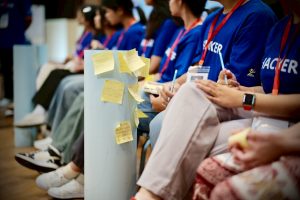
In an emotionally charged pre-event activity called “A Story of Repair”, inspired by the Narrative 4 methodology by Colum McCann, students were invited to pair up with new friends—and swap stories that touched on moments of joy, pain, fear, resilience, and healing.
These were not just stories. They were windows into lived experiences—some filled with laughter, others laced with grief or quiet strength. Participants listened with empathy and courage, and then retold their partner’s story to the larger group, allowing voices and perspectives to be honored and amplified.
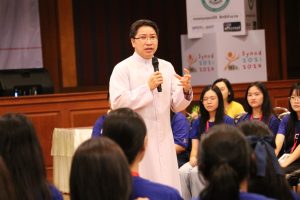
On the morning of Day One, Fr. Paul Ekarat Homprathum, Secretary General of CECT, officially welcomed the participants. He encouraged them to make the most of the opportunity to learn collaboratively and to embrace the synodal spirit of mutual listening and teamwork. A follow-up session deepened the students’ understanding of the Synod and what it means to journey together as a Church and as a community.
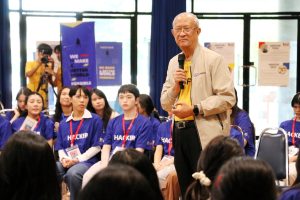
Peter Monthienvichienchai, Executive Director of LiCAS News, then provided participants with a clear and engaging overview of the hackathon’s format and objectives, setting the tone for the days ahead: a synodal journey of hope, creativity, and solidarity.
Real-Life Inspiration: A Story of Resilience
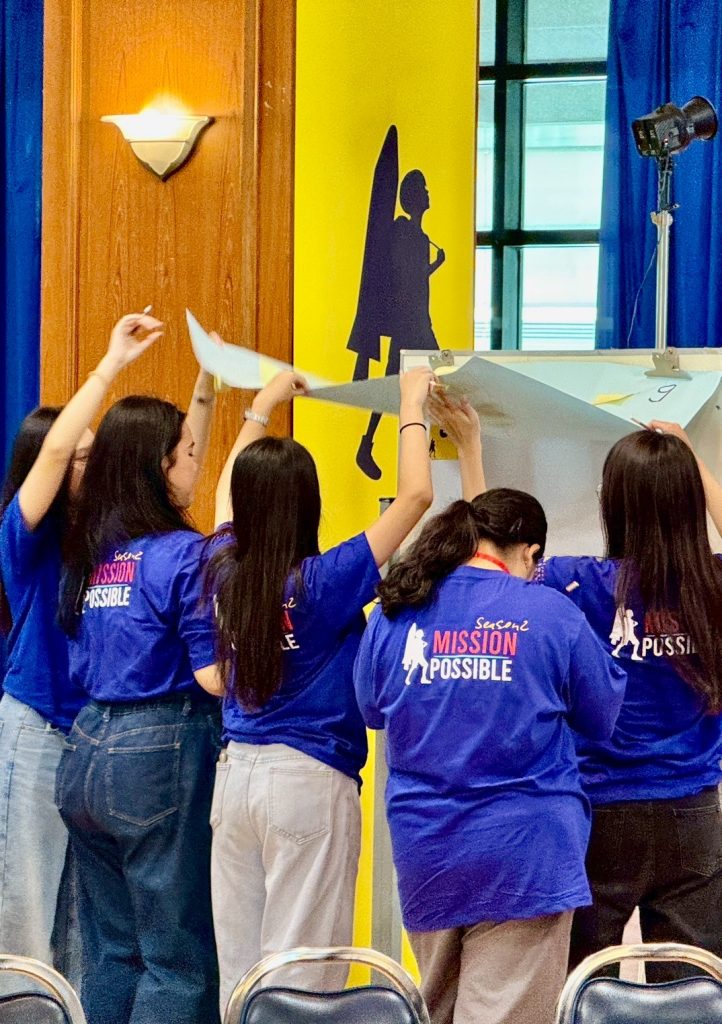
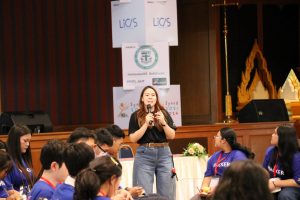
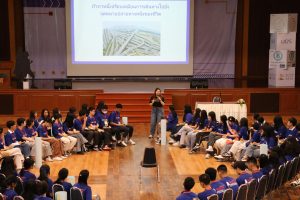
The highlight of the day was the keynote talks by top mentors, starting with Ms. Nitcharee Peneakchanasak, a 28-year-old woman whose story captivated everyone in the room.
In 2011, Nitcharee lost both legs after a tragic accident at a train station in Singapore. While the courts ruled the incident as non-negligent, what stood out was her indomitable spirit. Refusing to be defined by her injuries, she rebuilt her life with grit and grace.
Nitcharee plays sports, participates in public campaigns, and continues to be a beacon of hope.
“It’s important to stay positive, to set a new goal in life, plan well, and act to achieve it,” she told the students. “Don’t stop dreaming. Give yourself the opportunity to reach any goal you set.”
The students responded with admiration and heartfelt questions, visibly moved by her courage and message of self-belief.
Hackathon with a Mission
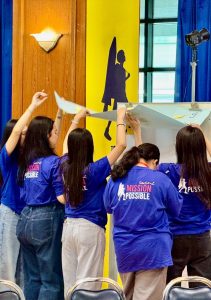
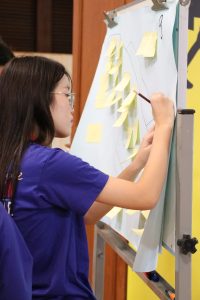
Throughout the hackathon, students will be guided not only by mentors but also by pitching coaches — themselves leaders in social innovation and community development. The aim is not just to generate ideas but to nurture young changemakers who will carry their vision back to their communities.
Now in its second year, MISSION POSSIBLE is expanding beyond Thailand for the first time to the Philippines, with plans underway for Indonesia and other countries in the region. Some students from the inaugural season have returned this year to support new participants and share their experience of collaborative leadership.
Rooted in the Church’s commitment to synodality, the program invites youth to lead in confronting the social challenges identified by the latest Synod of Bishops—with compassion, courage, and concrete action.
As the sun set on Day One, one thing was clear: the students had already begun a transformative synodal journey—one that promised to ignite new ideas, deepen empathy, and build lasting friendships across boundaries of culture and faith.
Stay tuned for updates from Day Two and Day Three—as the students move from inspiration to innovation in their quest to make the impossible possible.