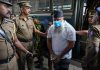
Dozens of Lamtoras Indigenous People were injured on September 22 when around 300 workers and security officers of PT Toba Pulp Lestari (TPL) allegedly attacked villagers defending their customary land in Buttu Pangaturan, Nagori Sihaporas, Simalungun Regency, North Sumatra.
The Indigenous Community Organization of Ompu Mamontang Laut Ambarita Lamtoras said the violence erupted on Monday morning in fields located about three kilometers from the shores of Lake Toba.
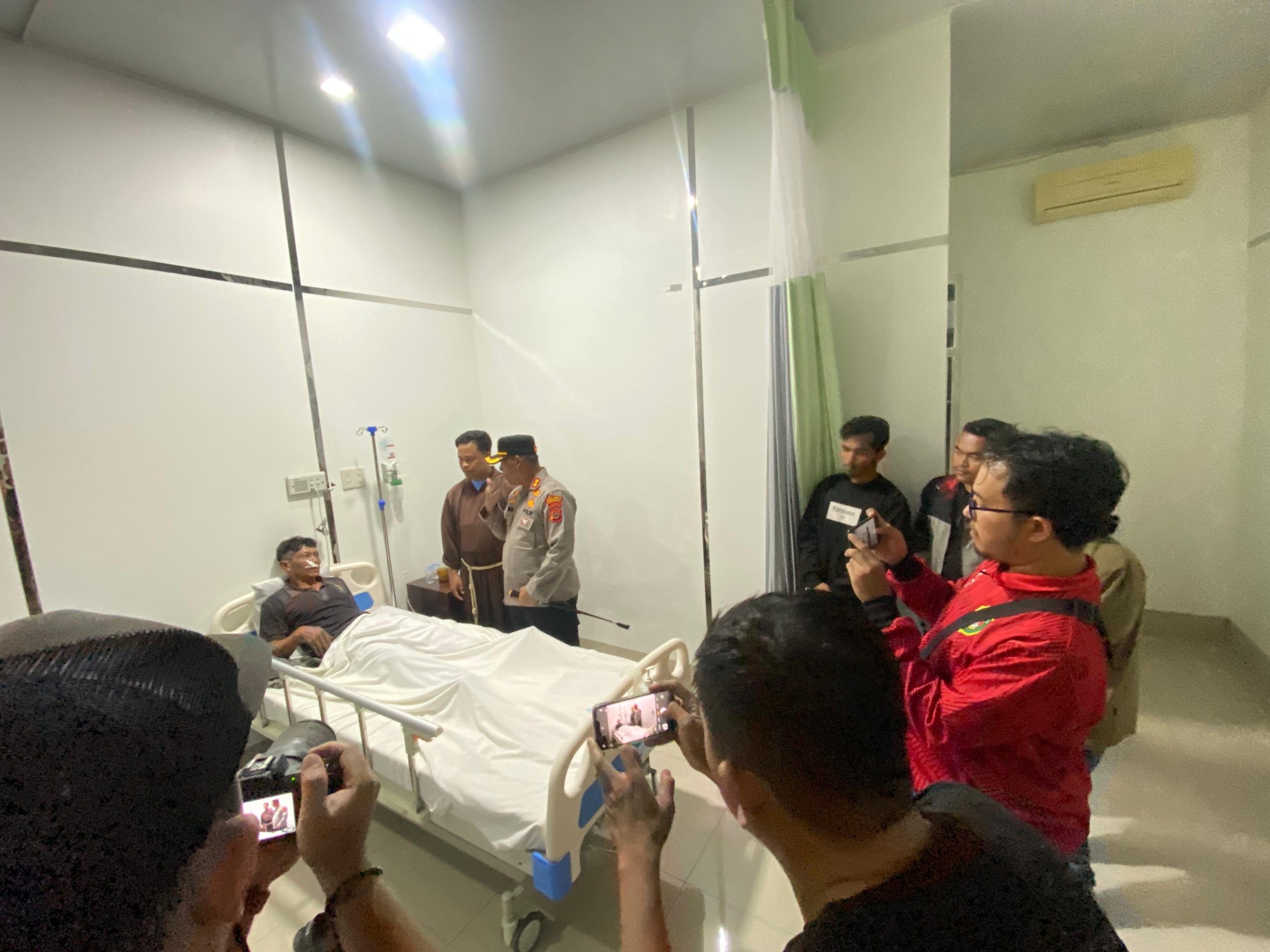
By evening, 33 villagers were reported injured, including Feny Siregar, a student from Bogor Agricultural University (IPB) who was staying in the conflict area to write her thesis.
Some victims were hospitalized, while others treated wounds with herbal medicine, especially facial injuries.
According to Arga Ambarita, secretary of Lamtoras, about 15 farmers were at Buttu Pangaturan when a group of people claiming to be TPL security approached. Villagers greeted them and asked about their purpose.
“The group said little, only asking permission to pass. While talking, a command was heard from behind ordering the group to push the community away from the location. A clash became unavoidable,” he said.
The situation escalated quickly. One villager fell and was injured before other residents arrived, temporarily lowering tensions. But soon, hundreds more men arrived to reinforce the TPL group.
Witnesses said they came in eight trucks and three cars, wearing black uniforms and carrying machetes, curved knives, electric batons, wooden sticks, helmets with visors, shields, rattan sticks, and military boots.
This mass drove back the villagers defending their ancestral land. Elderly men and women were among those beaten.
“We were fewer than 50 people defending our ancestral land. These unknown men attacked, and many elderly women and men became victims,” Arga said.
Fear and destruction
The community said the violence left them traumatized.
“We dare not go to the fields or gathering places. Thick black smoke rises into the air, and three houses and our meeting hall have been burned. Ten motorcycles and one pickup truck were also torched. We are all still on guard in the village,” said one victim.
According to him, 1,500 hectares of indigenous land had already been seized by TPL and converted into eucalyptus monoculture, leaving once fertile fields damaged. Currently, 150 hectares are cultivated with high-value crops, while about 500 hectares remain vacant but ready for farming.
“They want to seize our cultivated land. We must resist and not allow them to destroy it. That’s why this clash happened,” the victim added.
Clergy intervention
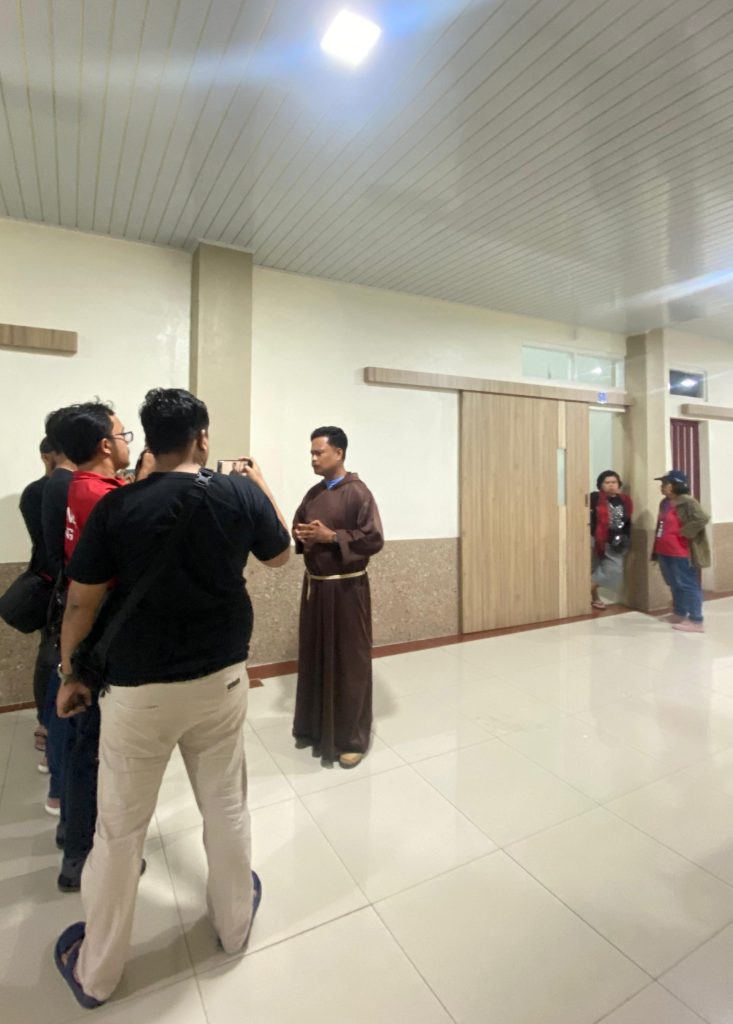
Amid the violence, Father Walden Sitanggang OFMCap of the JPIC Capuchin network under the Archdiocese of Medan placed himself in front of the attackers.
“I will not step back an inch until you withdraw and leave this place,” he told the mob.
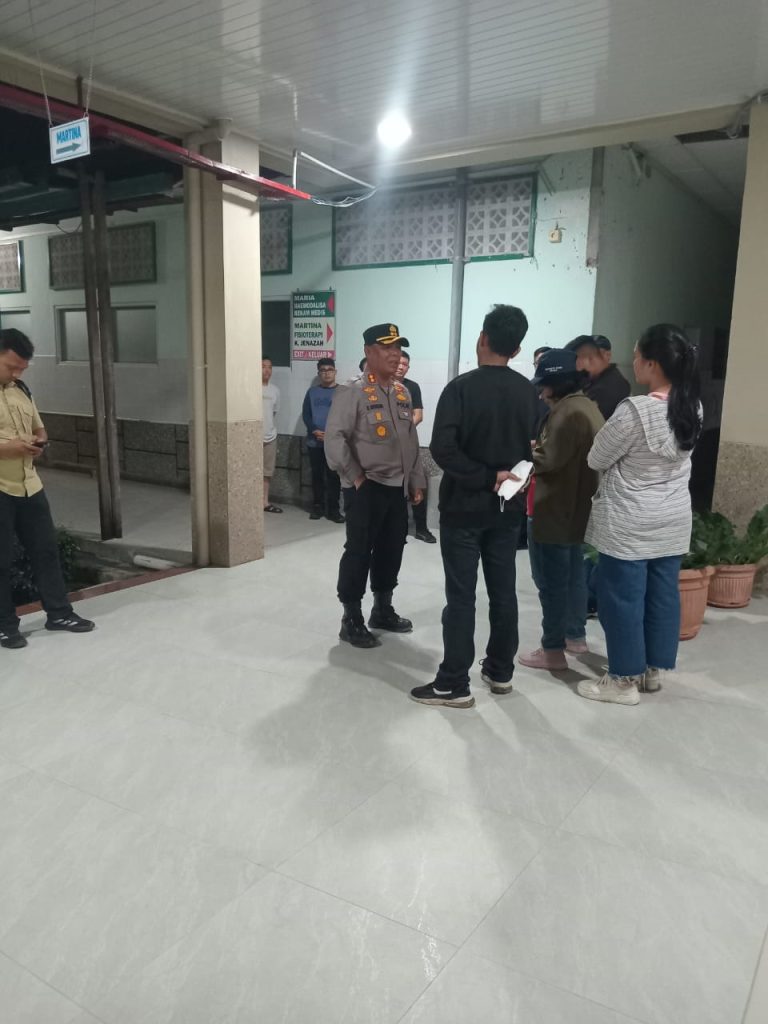
He repeated his stand to the local police chief when an ambulance arrived to evacuate the wounded. Father Sitanggang and the JPIC Capuchin network have previously joined civil society groups in resisting what they describe as land grabs by TPL.
Speaking to LiCAS, the priest explained that indigenous people continually defend their land rights by bringing documentation such as historical archives and land certification, but “the company consistently deems this ownership evidence ‘illegal.’”
Widespread condemnation
TPL’s actions drew condemnation from civil society. Jhontoni Tarihoran, chair of the daily board of AMAN Tano Batak, said the attack was part of “the company’s agenda to forcibly plant or harvest on indigenous land.”
Activist and researcher Delima Silalahi added that the incident was “not just a land conflict but a real portrait of the unequal relationship between the state and corporations, which has developed into systemic violence.”
Villagers said they have lived on and guarded their ancestral land for centuries, even building houses as symbols of sovereignty. These, along with motorcycles, were burned during the assault.
Decades-long struggle
TPL’s conflict with the Sihaporas Indigenous People is not new. For decades, they have faced repression and criminalization while defending their lands.
The disputed area is Sihaporas customary land, first inhabited by Ompu Mamontang Laut Ambarita in the early 1800s. In 1913, the Dutch colonial government appropriated the land for pine plantations.
Three years later, the Dutch issued the Sihaporas Enclave Map of 1916, listing three settlements: Sihaporas Negeri Dolok, Sihaporoas, and Sihaporas Bolon.
After independence, Jakarta granted concessions over the land to PT Inti Indorayon Utama, which became PT TPL in 1990.
The community sought recognition and restitution from the Simalungun Regency Government in 1998.
In 2000, the local parliament (DPRD) formed a research team that visited the area several times. Their findings confirmed remnants of centuries-old settlements, moats, ancestral graves, and tombs.
The Indigenous Territory Registration Agency (BRWA) later issued a map of Huta Sihaporas covering 2,050 hectares. “We existed before this nation was formed,” said Mangitua Ambarita, chair of the Lamtoras Indigenous People.
Calls for accountability
Despite Article 18B(2) of the 1945 Constitution affirming the state’s recognition of indigenous peoples and their rights, residents say law enforcement routinely ignores their complaints while acting quickly on the company’s reports.
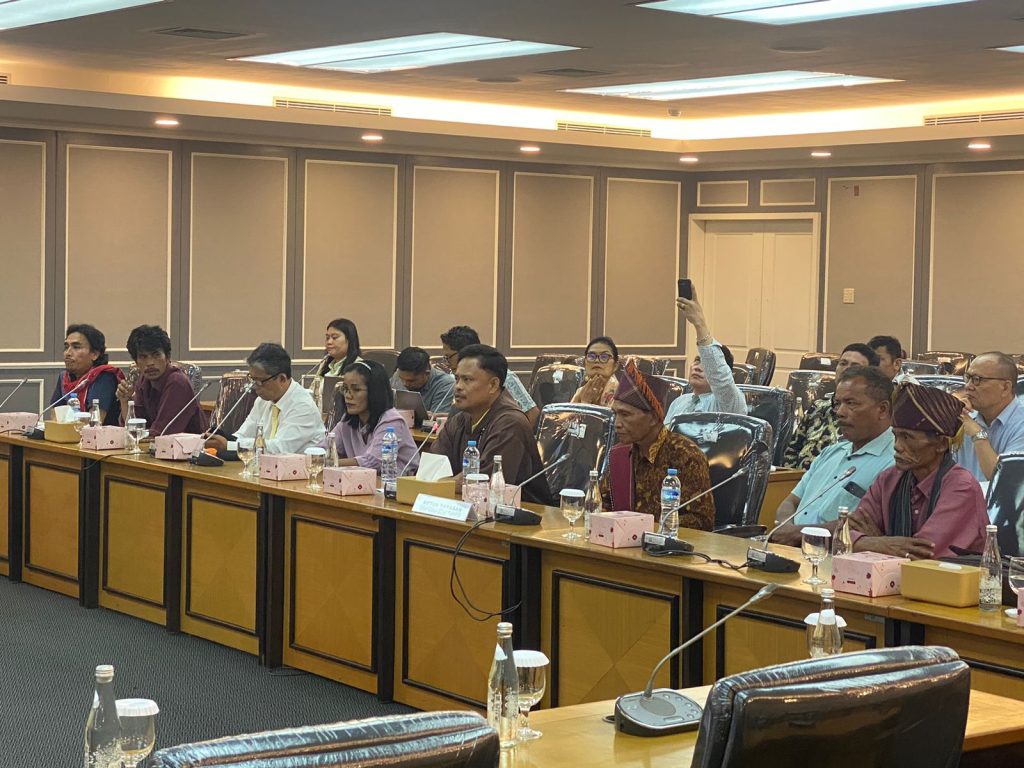
On September 10, JPIC Capuchins and several civil society and human rights groups went to Jakarta to meet lawmakers and demanded that PT TPL’s operational license be revoked.
Strong condemnations of the latest violence continued across Indonesian media through Wednesday. Critics accused the state of failing to protect its indigenous citizens. As one villager put it: “We must resist and not allow them to destroy it.”