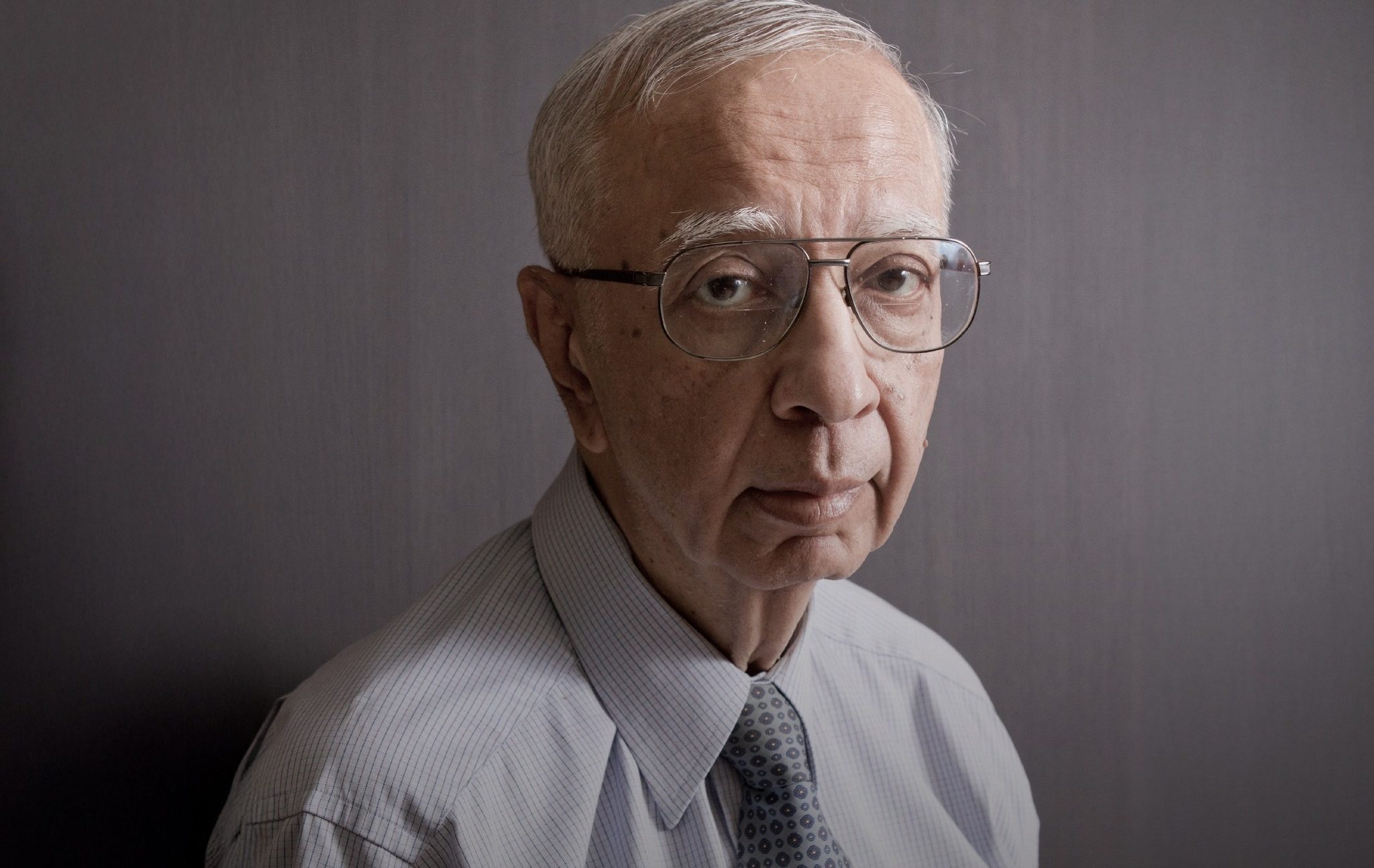
Thailand is mourning the loss of one of its most respected and influential economists, Dr. Ammar Siamwalla, who passed away Saturday, Oct. 4, at the age of 86. While Dr. Ammar was a devout Muslim, his life and work were widely celebrated for rare moral courage and dedication to the common good—values that stand as a powerful witness to the core teachings of the Catholic Church.
The Thailand Development Research Institute (TDRI), the nation’s top think tank championing long-term economic and social development, announced the passing of its founding member, revered researcher, and former president.
“Ammar was the spirit, the beloved mentor, and the most respected figure of TDRI,” the institute said in its tribute, inviting the public to commemorate his lifelong dedication to academic excellence and public service.
A life aligned with Catholic values
Dr. Ammar’s education spanned institutions with deep ties to Catholic and Christian traditions. He attended Assumption College in Bangkok before completing secondary studies at St. Paul’s School in Darjeeling, India. He later earned a Bachelor of Arts in Economics from the University of London and a Ph.D. from Harvard University.
A pioneer of Thai economic thought, Ammar joined TDRI at its founding in the early 1980s, later serving as president from 1990 to 1995. His groundbreaking work on agricultural economics, poverty, and rural development shaped decades of policy—always with a critical eye on how decisions affected the most vulnerable.
His professional life was defined by intellectual rigor, moral integrity, and fearless independence—qualities that made him both a trusted public voice and a relentless critic of political and corporate corruption. This commitment to truth and justice is precisely why his passing is being noted by the Catholic community.
An example of integrity in public life
Tributes poured in from across sectors, including one from the Church. Archbishop Francis Xavier Vira Arpondratana of Bangkok told LiCAS News that while he had not known Ammar personally, he deeply admired his intellectual honesty and openness.
“What he had been doing all his life was in line with the synodality of the Catholic Church,” Archbishop Vira said. “He always listened to differing views and was never hesitant to revise his own beliefs when presented with sound arguments. His life offers a powerful example of integrity that is so rare in our society today.”
TDRI researchers echoed this sentiment, highlighting his moral clarity. Dr. Somchai Jitsuchon, TDRI’s research director for inclusive development, recalled that Ammar once described another revered economist, Dr. Puey Ungphakorn, as “a straight man in a crooked country.” Somchai said the same words now fittingly describe Ammar himself.
“He was fearless and free-spirited, never afraid to question anything,” Dr. Somchai said. “He was also one of Thailand’s earliest inclusive economists, deeply concerned about the lives of ordinary people.”
His colleagues noted that his vast knowledge was never used for personal gain.
“Ammar was a very intelligent man with a high academic aptitude … but he never used that knowledge to seek power or money for personal gain,” praised Dr. Somkiat Tangkitvanich, the incumbent TDRI president.
A legacy that transcends faith
Dr. Ammar’s children, in a family statement, affirmed that their father lived the values he preached:
“He taught us integrity and empathy through his actions. We saw how he stood his ground against politicians, fought for the disadvantaged, and spoke out with wit and courage when policies failed the people.”
His independence often placed him at odds with political powers, but it also earned him enduring respect across ideological divides. His steadfast advocacy for evidence-based policymaking and economic justice—principles that resonate deeply with Catholic Social Teaching on human dignity and the preferential option for the poor—leaves a lasting legacy.
The life of Dr. Ammar Siamwalla, marked by intellectual courage and profound commitment to the public good, offers a compelling reminder that integrity and faith in the service of others are virtues that transcend religious boundaries and should be celebrated by all.