“I never imagined that one day I would share a room with another participant who has a different religious belief. I am a Muslim from outside Java, while my roommate is a Catholic from Java.”
The testimony of a participant from South Kalimantan Province captures a simple yet meaningful experience during the Green Leader XII program at Eco Camp Bandung in West Java Province. There, differences in religion, culture, ethnicity, and regional background did not become barriers to friendship. Instead, they opened opportunities for participants to get to know one another and build a sense of brotherhood.
“Fortunately, the spirit of brotherhood has been so strong here at Eco Camp Bandung over the past seven days, even though we still have five more days to go,” the participant added.
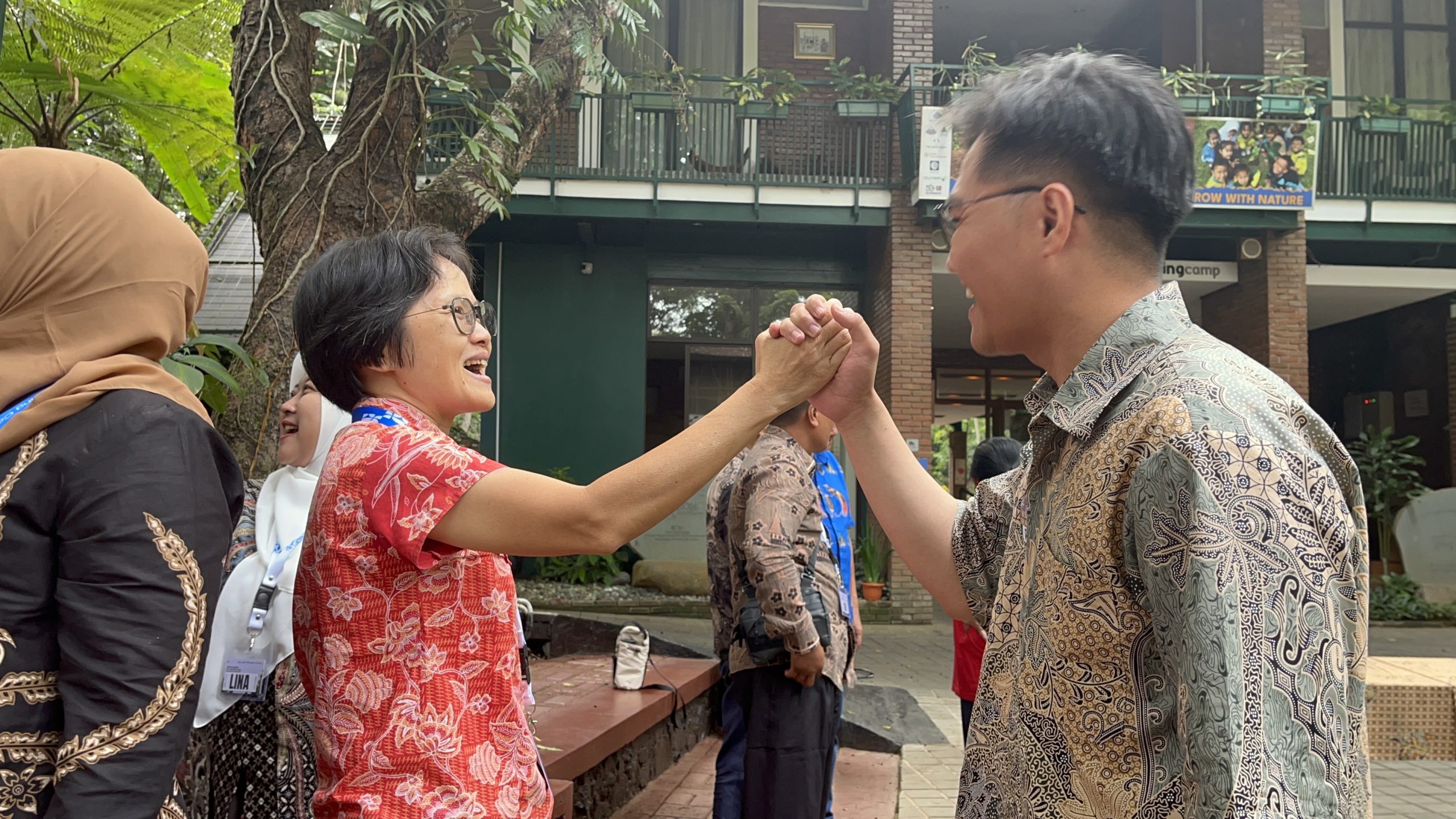
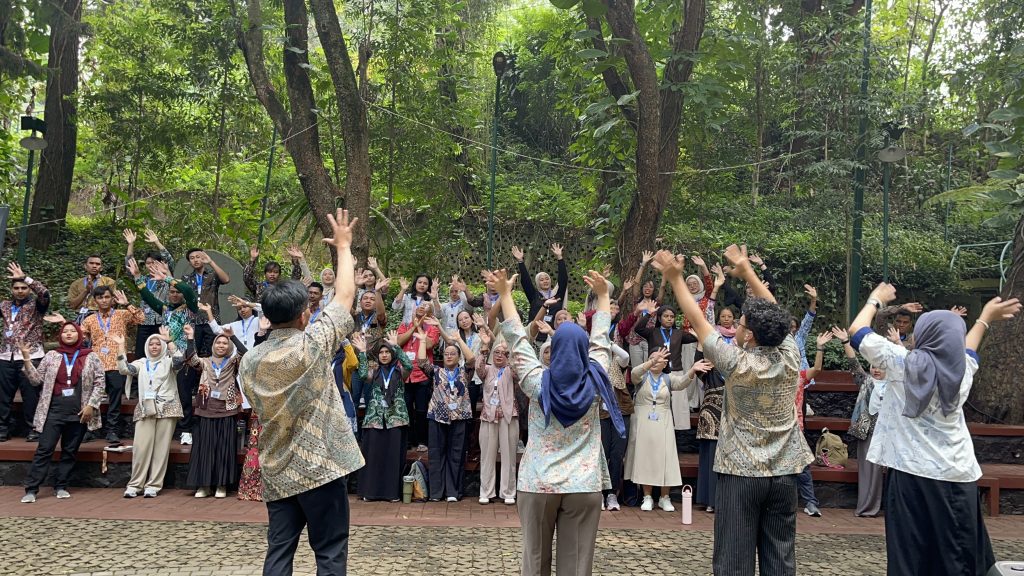
The experience became an important part of the learning journey of 43 participants in Green Leader Batch 12, who came from various regions across Indonesia. During the program, they learned not only about caring for the environment but also experienced firsthand what it means to live together in a diverse society.
For them, Eco Camp was more than a place to learn to love and protect the Earth. It also became a space to understand Indonesia — a nation built on a rich diversity of identities, beliefs, languages, traditions, and cultures.
Sharing a Room, Sharing Life
One of the participants’ most memorable experiences was sharing rooms with three other people from different backgrounds.
The participants came from various regions, including East Nusa Tenggara, particularly Soe and Malaka Regency on Timor Island; South Kalimantan; Central Sulawesi; Merauke in South Papua; Padang Panjang in West Sumatra; South Tangerang and Tangerang Regency in Banten; and cities across East, Central, and West Java.
Each participant brought different life experiences, customs, languages, and beliefs that shaped their individual identities. When these differences came together in the same space, participants began getting to know one another through everyday interactions.
Sharing a room meant they did not merely learn about diversity as an abstract concept. They experienced it firsthand. They learned to live together, communicate, understand one another’s habits, and build relationships despite their differences.
The experience showed that brotherhood does not always begin with similarities. Sometimes, it grows when people are willing to open themselves to those who are different from them.
Three Muslim participants from South Kalimantan, West Sumatra, and West Java, for example, shared a room with a Catholic participant from Banten. It was an experience the three Muslims might never have imagined before. Their different religious beliefs did not prevent them from sharing a living space and building a relationship.
In a diverse society, such experiences offer an important lesson: People with different identities can live side by side without abandoning their beliefs or losing their individual identities.
Becoming Indonesian Is More Than a National Slogan
The experience at Eco Camp Bandung led participants to a deeper understanding of the term “Becoming Indonesian.”
The expression is more than a phrase. Becoming Indonesian is a continuing process through which citizens learn to recognize that they belong to a shared community composed of people from diverse backgrounds.
In everyday life, people encounter others who differ in ethnicity, religion, language, culture, traditions, and perspectives. This reality is an inseparable part of Indonesian national life.
Diversity, therefore, is not something to deny, avoid, or eliminate. Differences must instead be acknowledged, accepted, embraced, and lived as part of a shared identity.
Becoming Indonesian means understanding and accepting this reality. Unity does not require everyone to be the same. It depends on the willingness to respect differences while building a shared commitment to the nation.
In this context, Indonesia’s national motto, Bhinneka Tunggal Ika — “Unity in Diversity” — takes on real meaning.
The motto should not remain merely an inscription on the national emblem or a phrase memorized in school. Its values must be reflected in everyday actions, from the way people treat their neighbors and build friendships to how they cooperate and respond to those whose beliefs differ from their own.
The Green Leader XII experience showed that national values can be learned through direct encounters, not only through theory.
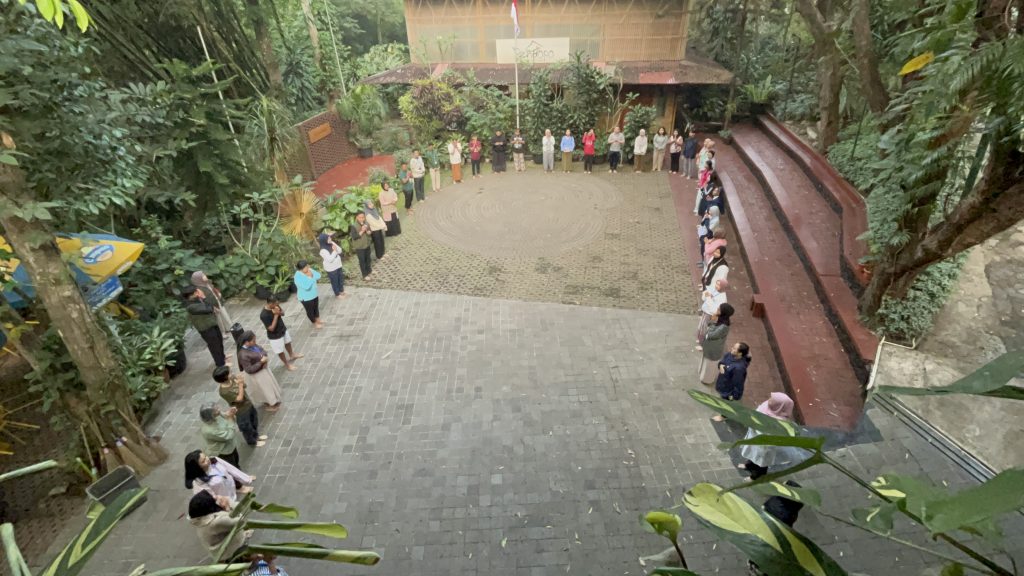
Eco Camp: A Place to Learn to Embrace Diversity
Through games, simulations, group activities, and social interactions, participants had opportunities to get to know one another more closely.
They met not merely as participants in an educational program but as fellow Indonesians with different life experiences. Throughout the process, they learned to respect one another’s identities without allowing those differences to create distance between them.
“We are very pleased to learn how our fellow Buddhist Indonesian recite his prayer to commence our meal,” some female Muslim participants said.
The participants expressed delight at learning how Angga, the only Buddhist participant, led the meal prayer according to his Buddhist tradition.
The experience broadened the meaning of education at Eco Camp Bandung.
Environmental education encourages people to love the Earth and protect the natural environment that sustains life. Concern for the planet can also go hand in hand with an awareness of the importance of building healthy relationships with other people.
The Earth is our shared home. Likewise, Indonesia is a shared home for all its citizens, regardless of ethnicity, religion, culture, or place of origin.
Caring for a shared home requires concern and responsibility. In national life, that responsibility is expressed through mutual respect, a willingness to cooperate, and a commitment to safeguarding unity.
Learning to love the Earth can therefore also become an opportunity to learn to love Indonesia and embrace its diversity.
From Differences to Brotherhood
After seven days in the program, participants experienced a strong spirit of brotherhood that had grown through their shared activities. They still had five more days to continue their learning journey and deepen that experience.
The story of the participant from South Kalimantan illustrates how relationships can develop when people from different backgrounds come together in the same space.
At first, they may know one another only by name, place of origin, or religion. Through everyday interactions, however, these identities no longer define the entirety of how they see one another. They begin to recognize the individual behind each identity.
From there, opportunities emerge to build trust, understand other people’s life experiences, and discover common ground as fellow human beings and citizens of Indonesia.
This kind of brotherhood does not require anyone to abandon their beliefs or culture. Everyone can maintain their own identity while respecting the right of others to do the same.
This is one of the essential foundations of a peaceful and inclusive society.
Preserving Indonesia’s Diversity
The Green Leader XII experience at Eco Camp Bandung illustrates how national unity can be nurtured through simple experiences rooted in everyday life.
Sharing a room, exchanging stories, participating in group activities, and learning about other people’s customs may seem ordinary. Yet it is through such encounters that prejudice can diminish and mutual trust can grow.
Indonesia was not built by a single group with a single identity. It is a shared home for diverse communities, all of which deserve equal dignity and a place in national life.
Safeguarding unity does not mean eliminating differences. It means ensuring that diversity does not prevent citizens from living together, cooperating, and working toward shared prosperity.
Ultimately, the experience at Eco Camp Bandung reminds us that becoming Indonesian is an ongoing process. It begins when people are willing to welcome others, respect their beliefs, understand their cultures, and build relationships as fellow citizens.
Becoming Indonesian does not mean that we must all be the same. It means being willing to live together despite our differences. When diversity is embraced as a source of strength, Bhinneka Tunggal Ika becomes more than a national motto: It becomes a living reality expressed through everyday acts of brotherhood.