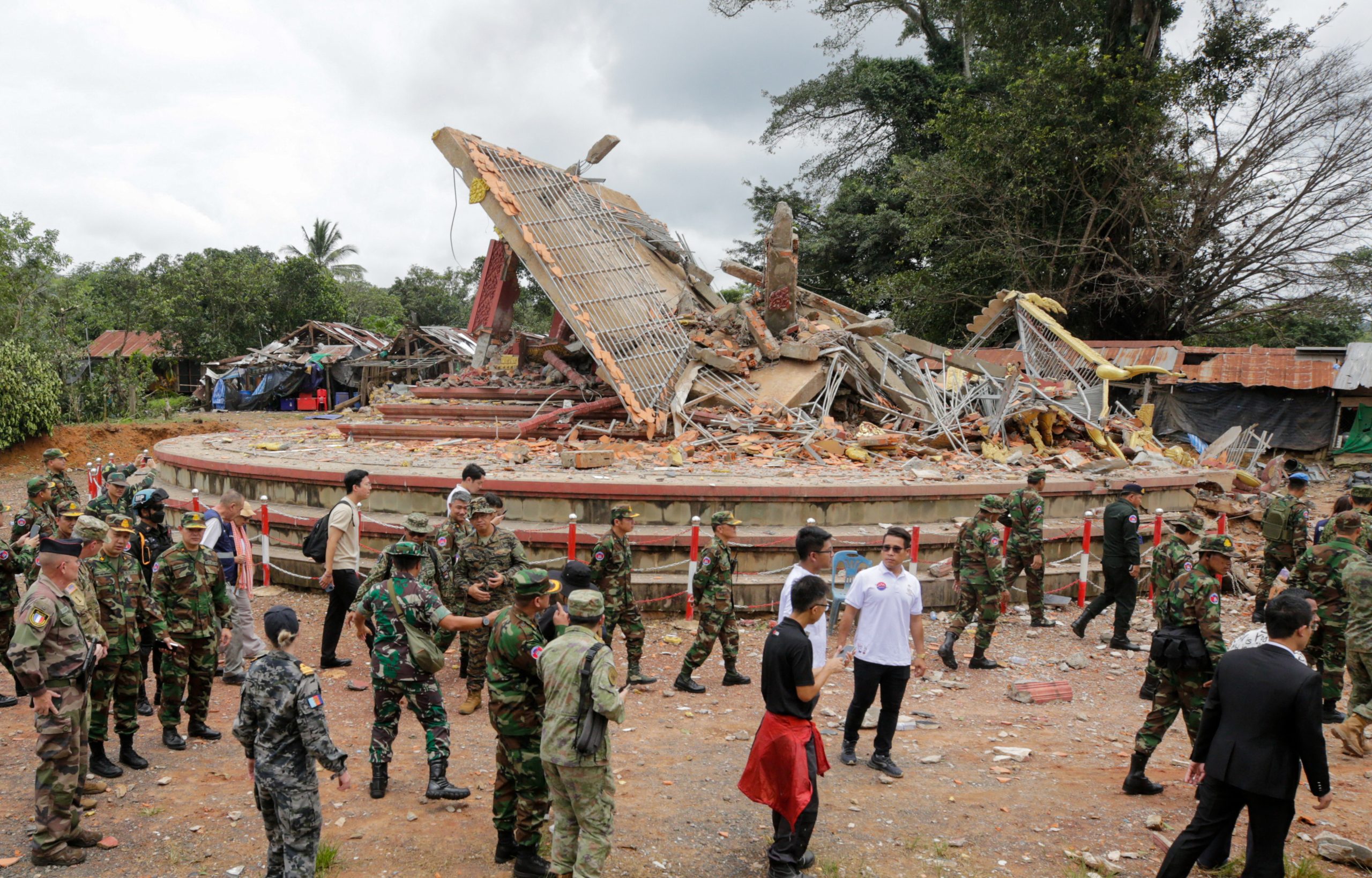
Human rights group Fortify Rights has called on the United Nations to launch an independent investigation into alleged war crimes committed during the recent border clashes between Thailand and Cambodia, which left at least 23 civilians dead and displaced hundreds of thousands.
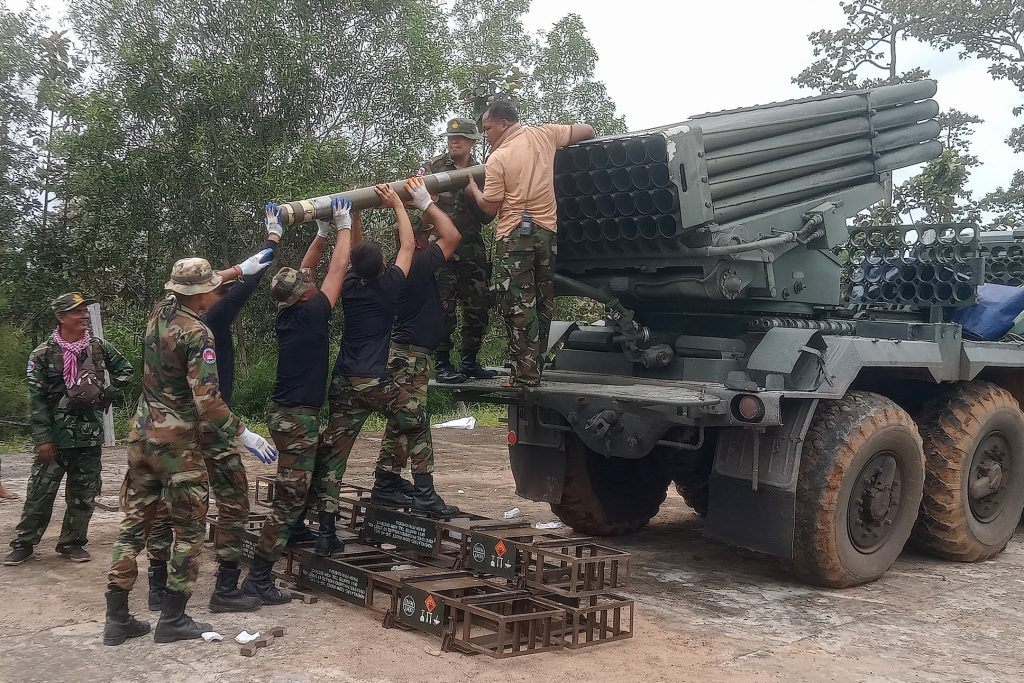
On July 24, the Royal Cambodian Armed Forces launched multiple rocket and artillery attacks, including volleys of unguided “Grad” rockets, across four Thai provinces bordering Cambodia.
“The use of unguided Grad rockets against civilian-populated areas is by its very nature indiscriminate, and may amount to war crimes,” said Peter Bouckaert, Senior Director at Fortify Rights.
“Grad rockets are notoriously imprecise in their targeting, and should never be used in civilian-populated areas—one volley of Grad missiles has the potential to wipe out an entire village,” he added.
Thai authorities said the strikes killed 13 and injured 46 civilians in Surin, Sisaket, Ubon Ratchathani, and Buriram provinces.
Ceasefire marred by reported violations
The attacks came amid weeks of escalating skirmishes along the 800-kilometer border. On July 28, Malaysian Prime Minister Anwar Ibrahim, who chairs ASEAN, brokered a meeting in Putrajaya between Cambodian Prime Minister Hun Manet and Thailand’s acting Prime Minister Phumtham Wechayachai.
Anwar announced that both sides had agreed to “an immediate and unconditional ceasefire, with effect from 24:00 hours (local time) on 28 July 2025.” However, Fortify Rights noted that “several violations of the ceasefire have already occurred.”
‘Worse than ever before’
Fortify Rights interviewed survivors and first responders in the border provinces, including the village head of Kantharalak District in Sisaket Province, who described the devastation caused by the rocket strikes:
“The rockets landed at the gas station on July 24, [2025], at around 10:30 a.m. … when I suddenly heard a very loud explosion echoing across the sky. … I got closer and I could already see flames engulfing the area … Some people were helping pull out the injured and dead from the scene. It was indescribable, the injuries were so severe, and everyone was covered in blood.”
He added: “When I went to look, I saw three or four bodies outside the gas station. … I saw the charred body of a mother holding her child in the convenience store. … This time, the situation is worse than ever before.”
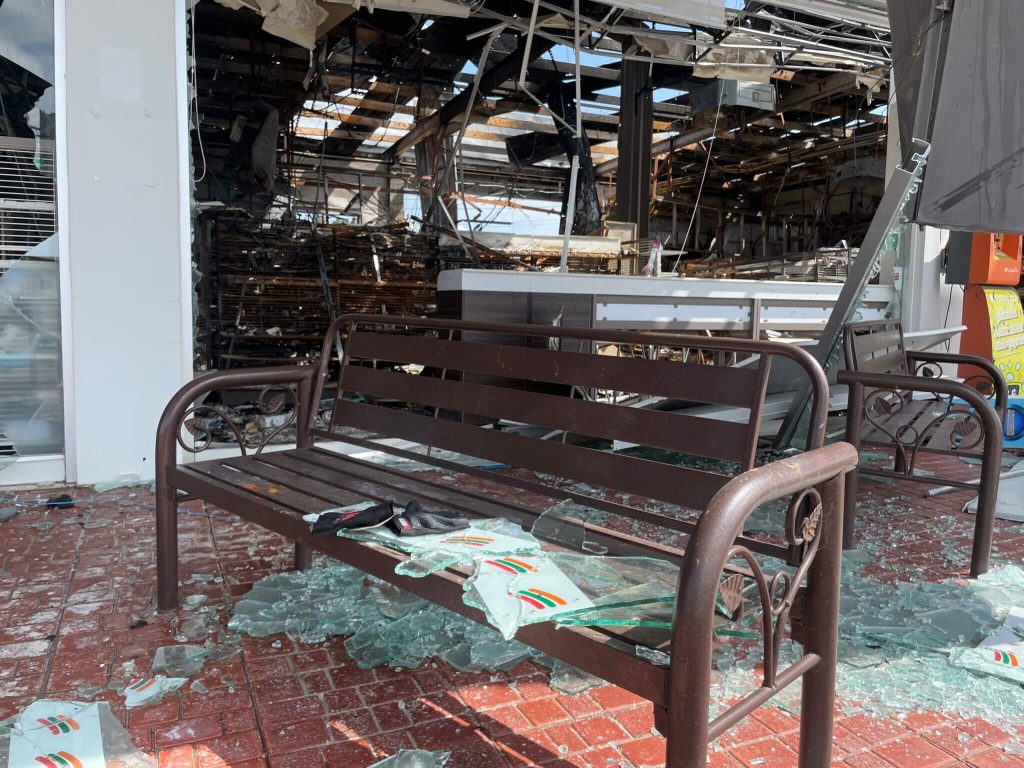
A video verified by Fortify Rights captured the aftermath of the attack on a 7-Eleven store in Sisaket, showing shattered windows, rising smoke, and injured civilians as rescuers attempted to revive victims.
Somjit, 52, a rubber farmer in Surin, recalled: “It wasn’t just one single boom and then silence—it was continuous. ‘Boom, boom, boom, boom.’ More than ten explosions. … Usually when they fire at each other, it stays around the border area. There was never shelling in town before—nothing like this has ever happened.”
Another resident, Jit Aree, 39, said: “They announced that we should prepare to evacuate because of the gunfire … I was scared, but it was my duty. … Everyone here is distressed. … People don’t raise their children only to have them die like this.”
Call for U.N. accountability mechanism
Fortify Rights said the Cambodian attacks “seem to have failed to distinguish between military targets and civilians and civilian objects, and can therefore be considered indiscriminate attacks contrary to international humanitarian law.”
“A U.N. Fact-Finding Mission can be created by various organs of the U.N., including the Human Rights Council, and would help to independently establish the facts regarding potential war crimes in this conflict,” Bouckaert said.
He stressed that determining the facts is crucial to ensure accountability, deliver justice for victims, and strengthen compliance with international law.