
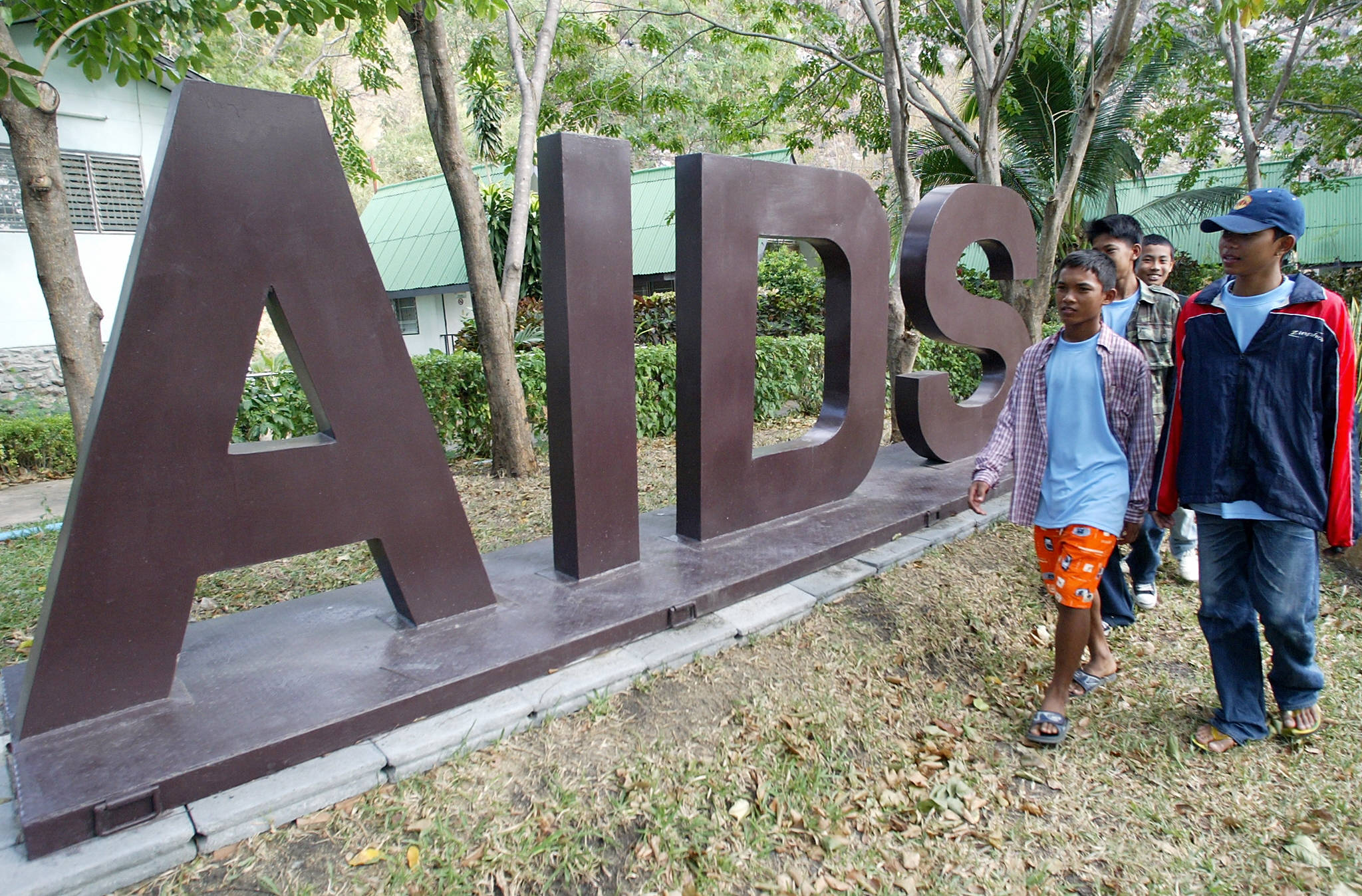
A Thai interfaith leader has urged transparency and compassion as Wat Phra Bat Nam Phu, long hailed for its pioneering HIV/AIDS work, comes under mounting criticism and official investigation.
The temple, globally recognized for caring for AIDS patients shunned by families, is under scrutiny for tightening admission policies.
Critics say the move has denied care to vulnerable groups, particularly LGBTQ+ members, while authorities investigate allegations of financial mismanagement and possible embezzlement.
Dr. Boonchuay Doojai, a former Buddhist monk, chairman of the Thai Interfaith Foundation for Social Development, said the case should be viewed in the larger context of Thailand’s decades-long battle with HIV/AIDS.
“Focus on the individual, but never forget society,” he said, stressing that Thailand’s success in curbing the epidemic has always been a collective effort involving government agencies, civil society, and religious organizations.
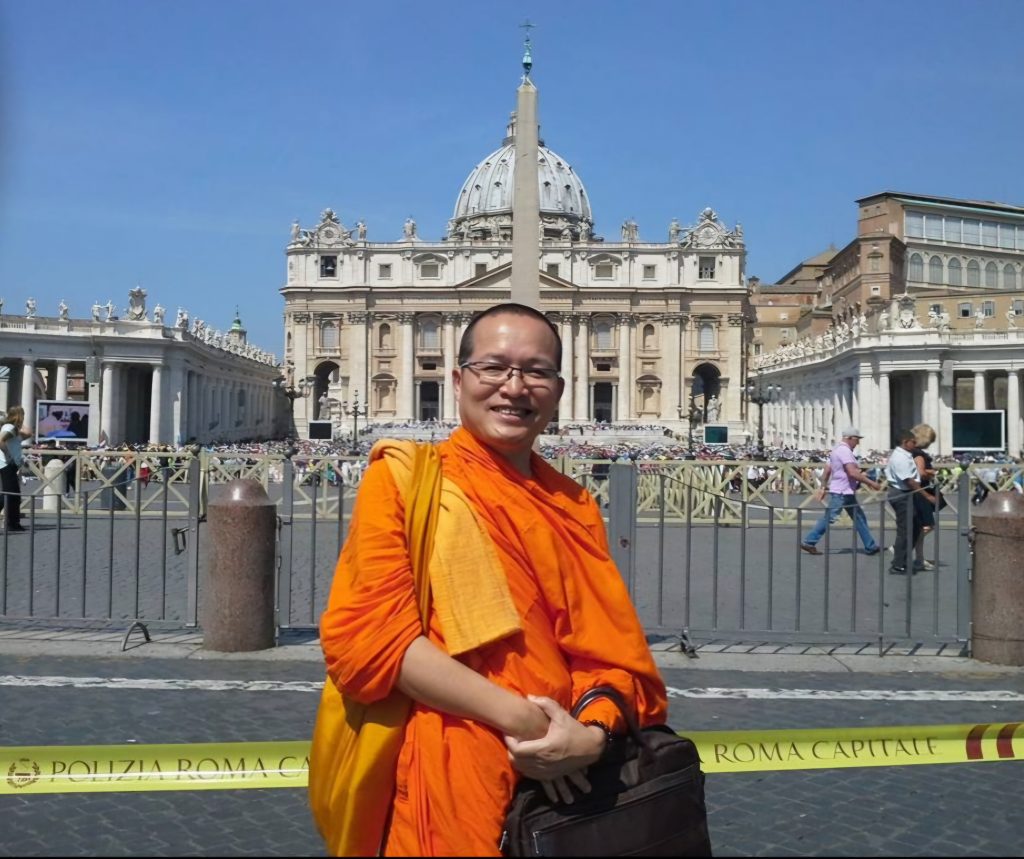
While Wat Phra Bat Nam Phu became a symbol of compassion in the 1990s, Dr. Boonchuay noted that it was part of a broader interfaith response.
Catholic centers, Buddhist temples, and Christian institutions across Thailand opened care homes, offered spiritual support, and worked to reduce stigma through faith-based compassion.
“These organizations helped change public attitudes,” he said. “They showed that people living with HIV/AIDS are family and community members, deserving of dignity. This interfaith effort signaled to society that no one should be left behind.”
Thailand’s HIV/AIDS response has been internationally praised, from the “100% condom” campaign that helped stem transmission to the elimination of mother-to-child transmission, certified by the World Health Organization in 2016.
But Dr. Boonchuay warned that new challenges demand vigilance and transparency in both health policy and institutional management.
“The current controversy must be investigated transparently,” he said. “But in judging one temple, we should not forget the role of religious communities that stood at the frontline of care, compassion, and dignity.”
The issue of financial transparency has also become increasingly central within religious institutions worldwide.
According to Vatican News, the Holy See has in recent years taken significant steps to enhance financial accountability, introducing new laws, establishing oversight bodies, and publishing annual reports in response to international calls for reform.
Most recently, on August 9, Pope Leo XIV approved new regulations designed to strengthen transparency and efficiency in the awarding of public contracts.
The reforms, the Vatican said, are intended to safeguard fairness, ensure responsible use of resources, and align financial practices with Catholic social teaching.
As both Buddhist and Catholic institutions confront questions of accountability, Dr. Boonchuay emphasized that transparency must go hand in hand with compassion.
Observers suggest that the Vatican’s reforms may serve as an example for Thailand’s religious organizations, underscoring that resources entrusted to faith-based institutions must be managed responsibly, with fairness and dignity guiding every decision.