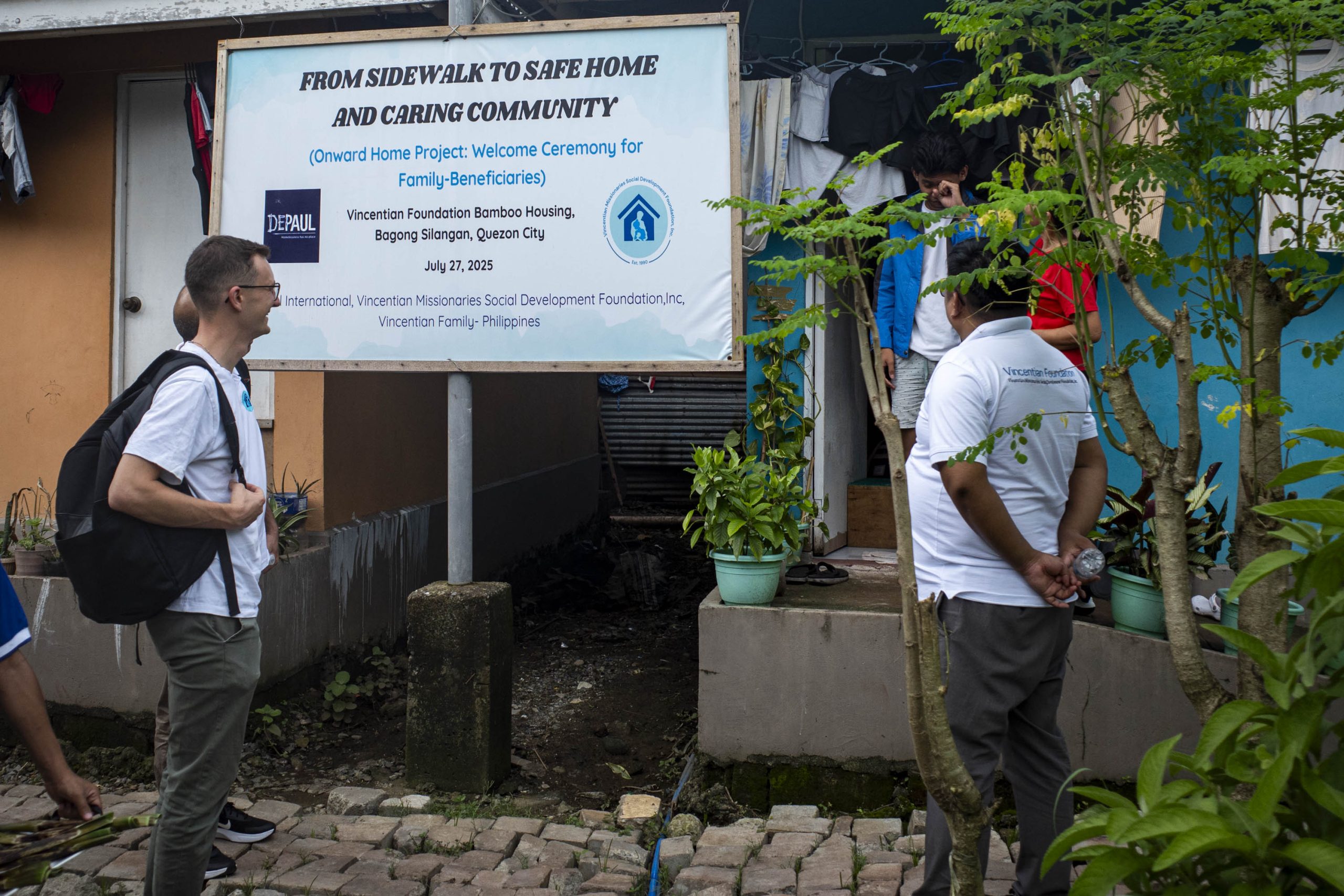
A Catholic initiative in the Philippines is introducing a “housing-led” approach that places permanent shelter at the center of efforts to address street homelessness.
The program is a collaboration between DePaul International, a global homelessness charity, and the Vincentian Missionaries Social Development Foundation of the Congregation of the Mission (CM) in the Philippines.
Both groups are combining financial support, technical expertise, training, and evaluation to pilot the project in Manila.
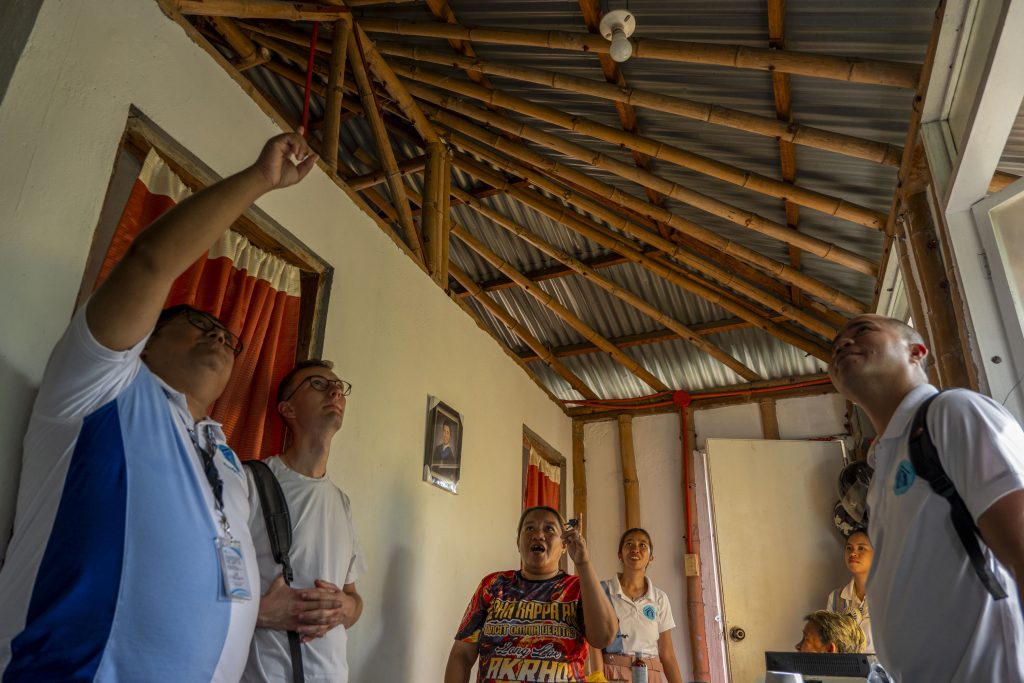
Ewan Day-Collins, head of program and business development of DePaul International, made the visit to Bagong Silangan village in Quezon City on Sept. 3, just weeks after the launch of the “Onward Home” program.
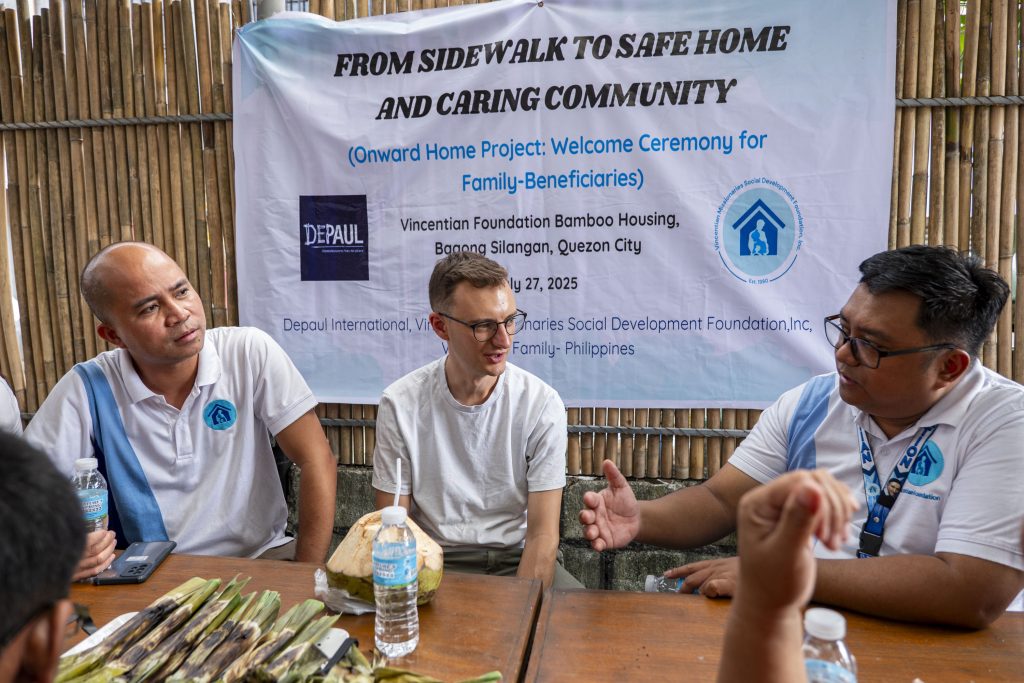
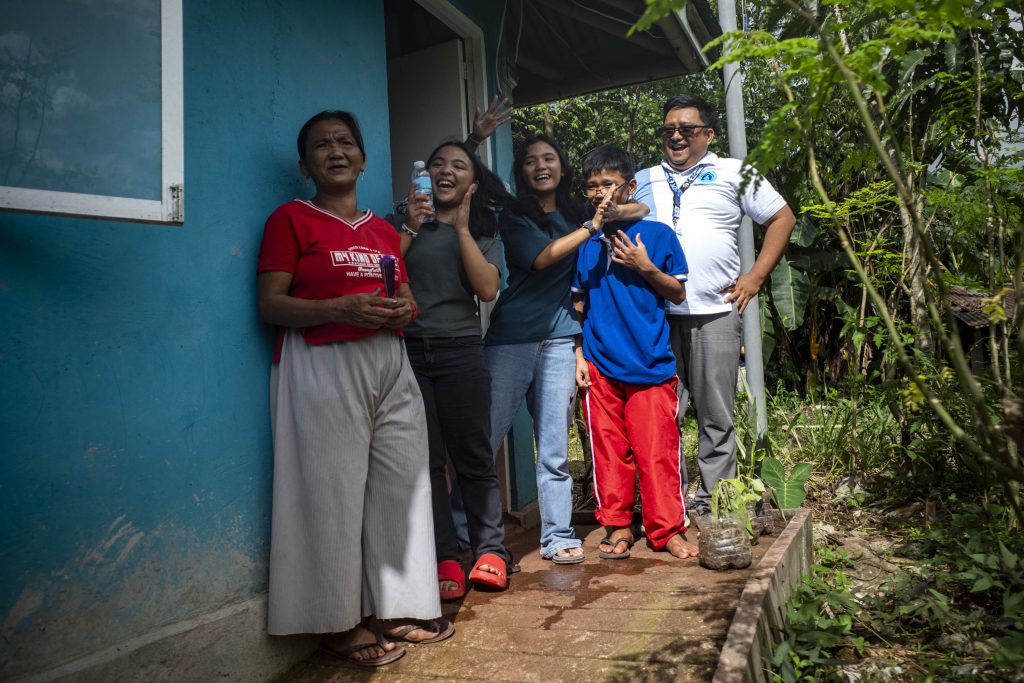
The initiative, opened on July 27, welcomed its first batch of beneficiaries at the Kawayan Housing site in Quezon City.
It is among the few housing-based interventions in the capital specifically targeting families living on the streets—150 children and their caregivers.
Some of the housing units were constructed using Cement-Bamboo Frame Technology (CBFT), an eco-friendly and disaster-resilient construction method developed by Base Bahay Foundation.
The design is intended to withstand typhoons, strong winds, and earthquakes common in the Philippines.
Day-Collins said Manila has one of the highest numbers of people living on the streets worldwide — estimated at more than a million, including many children.
He noted that research increasingly identifies homelessness primarily as a housing issue, stressing that sustainable solutions must begin with access to a home.
“What’s different is that it centers housing as the central intervention,” he explained. “Once people are in a home, they feel safe, they can sleep and rest. And then you can support people with social, psychological, and livelihood support.”
Long-term vision
Day-Collins said the program is among the first of its kind in Asia, and the first led by DePaul International in the region.
While it will initially house only a small number of families, the aim is to generate evidence that could lead to scaling up the model.
He acknowledged, however, that homelessness requires sustained and intensive social work. Families who have lived on the street for years may struggle to adjust to life in a home and sometimes return to the streets.
“For some people it can be a journey that takes many years,” he said.
In July, Fr. Geowen Porcincula, CM, executive director of the Vincentian Missionaries Social Development Foundation, stressed the urgency of the project in light of worsening climate risks.
“Extreme weather events make life precarious, but even more so for those living in poorly constructed dwellings,” he said. “Flooding, typhoons, and heavy rains can cause these shelters to collapse, leading to loss of life and families with nowhere to go.”
He also pointed to the dangers faced by families forced to live in public spaces. “Children are particularly susceptible to abuse,” the priest said, adding that stable housing and wraparound support are crucial for long-term protection and recovery.
Church’s role
Day-Collins emphasized that the Catholic Church is uniquely positioned to address homelessness because of its people and its property.
“We need to join the people power of the Church with its assets,” he said. “The Catholic Church undoubtedly does more work on homelessness than any other institution in the world. But as a Church we need to go together, like we are doing here, so it’s different.”
DePaul International has implemented housing-first projects in Europe and North America and recently began a similar program in Ukraine. The Manila initiative marks its first in Asia.
Fr. Porcincula described the initiative’s guiding vision, saying that a “home is not just a shelter, but a place of dignity, stability, and new beginnings.”