
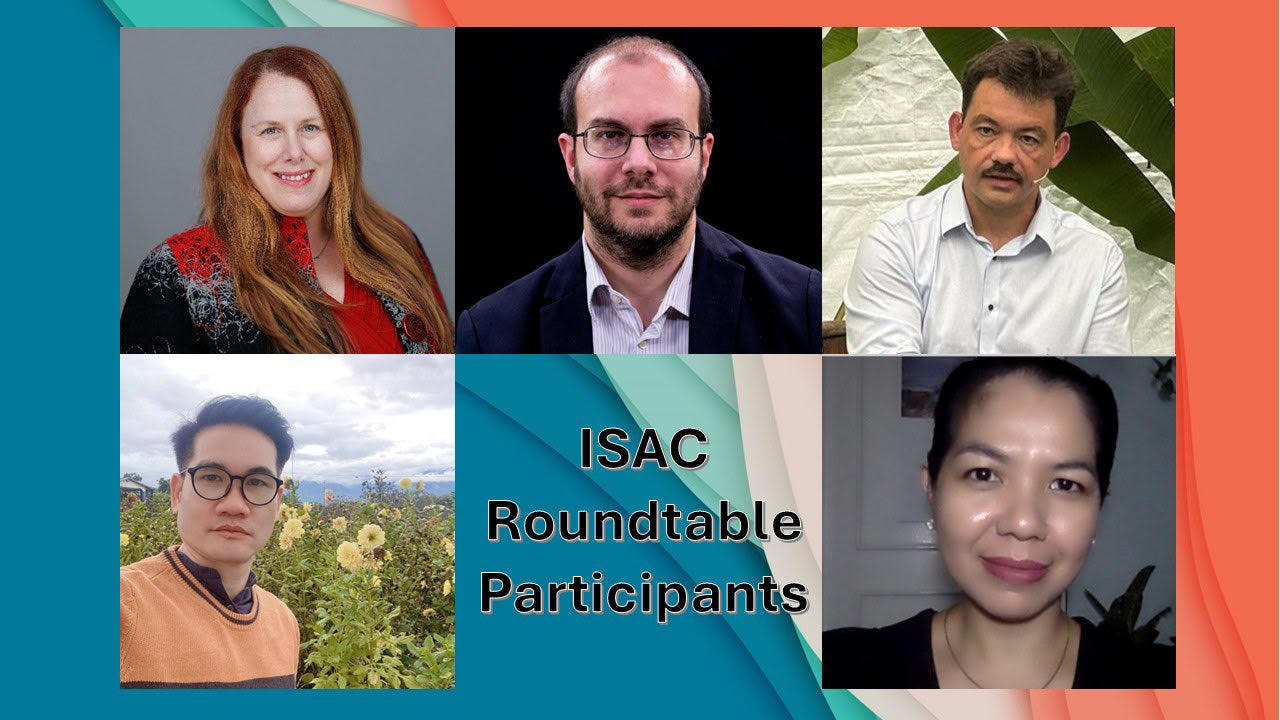
The Initiative for the Study of Asian Catholics (ISAC) marked its fourth anniversary on Oct. 1 with an online roundtable exploring how academics can influence public conversations about Catholicism in an era of social media debates, religious nationalism, and political polarization.
The event, titled “Shaping Public Conversations about Catholicism & the Role of Academics,” gathered four speakers from diverse backgrounds. While each offered insights, a comprehensive intervention came from Dr. Fr. Anthony Le Duc, SVD, executive director of the Asian Research Center for Religion and Social Communication (ARC), based at St. John’s University in Bangkok.
Fr. Le Duc emphasized that while Catholicism often surfaces in the public eye through headlines, controversies, or celebrity comments, the quieter contributions of academics are vital to how faith is understood and discussed. He outlined six roles academics can play in shaping more informed, compassionate, and forward-looking conversations.
Prophetic voices
Drawing on the biblical tradition of prophets like Amos and Isaiah, Fr. Le Duc said Catholic scholars are called to highlight uncomfortable truths about systemic injustice, inequality, and environmental degradation.
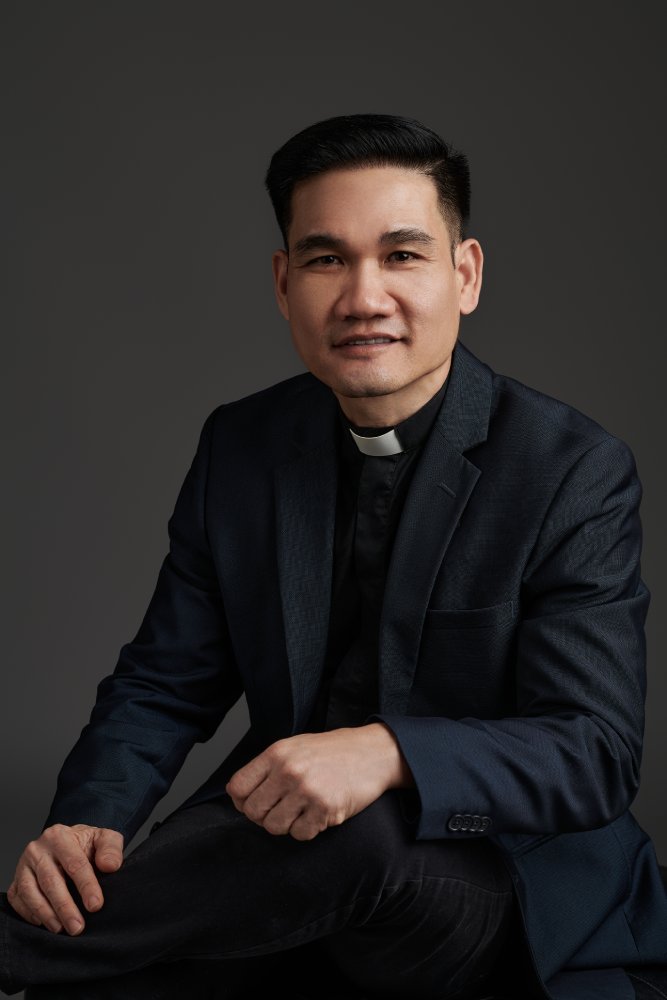
Unlike activists or politicians, they can ground their interventions in research, theological depth, and Catholic social teaching. “Catholic ethicists raising questions about the dignity of migrant workers or theologians collaborating with climate scientists show how scholarship can act as a prophetic voice—courageous but also deeply responsible,” he noted.
Faithful and creative interpreters
Academics, he stressed, must remain disciples first, faithful to Christ and Church teaching while interpreting Catholic thought in ways that resonate with contemporary questions on technology, globalization, or mental health.
Pope Francis’s call for communicators to be “open and creative” is particularly relevant, Fr. Le Duc said, urging scholars to build bridges to groups who may feel disconnected from the Church, including migrants and marginalized communities. “Faithfulness ensures our integrity. Creativity ensures our relevance,” he added.
Contextual guides
Too often, he warned, religion is discussed superficially, like “riding the horse to admire the flowers” without deeper understanding. Catholic academics can slow conversations down, bringing lived experience and research into play.
He pointed to Thailand’s Buddhist monks, who stay close to people’s struggles through daily alms walks, as a model for scholars to remain rooted in reality.
In today’s digital world, he added, academics must also meet people in online spaces, guiding conversations with truth and compassion.
Inspirers of hope
Beyond defending doctrines, Fr. Le Duc said academics should lift conversations toward hope and possibility.
Citing Walter Brueggemann’s insight that energy comes from what is promised rather than what is possessed, he argued that Catholic scholars can help society glimpse a “new heaven and new earth.”
Pope Francis’s example of choosing humility and ecological responsibility, he said, shows how words and actions can inspire transformation.
Public challengers
In a culture marked by what Pope Benedict XVI called a “dictatorship of relativism,” Fr. Le Duc urged Catholic academics to resist reducing truth to subjective opinion. Without being authoritarian, they must name modern “idols”—consumerism, nationalism, digital manipulation—and propose Catholic teaching as a counter-narrative.
“This role is uncomfortable, but necessary,” he said, adding that academics must use their platforms responsibly to hold institutions accountable.

Witnesses in action
Fr. Le Duc insisted that integrity is itself a form of communication. Quoting Pope Paul VI’s observation that people listen more readily to witnesses than teachers, he said academics must embody the Gospel in their teaching, research, and public presence.
“Our work will shape public conversation not just by what we say, but by who we are,” he stressed.
Summarizing his vision, Fr. Le Duc said Catholic academics are “not just thinkers, but communicators, bridge-builders, and witnesses.” Their vocation, he concluded, is to help society see how Catholicism can contribute to “a more humane, just, and hopeful world.”
ISAC, founded in 2021 and hosted by the Asia Research Institute at the National University of Singapore, has become a leading platform for social scientific research on Asian Catholics in contemporary societies. Through collaborations and interdisciplinary projects, it continues to explore the lived realities and contributions of Catholic communities across Asia, including the Philippines, Hong Kong, India, and Thailand.