
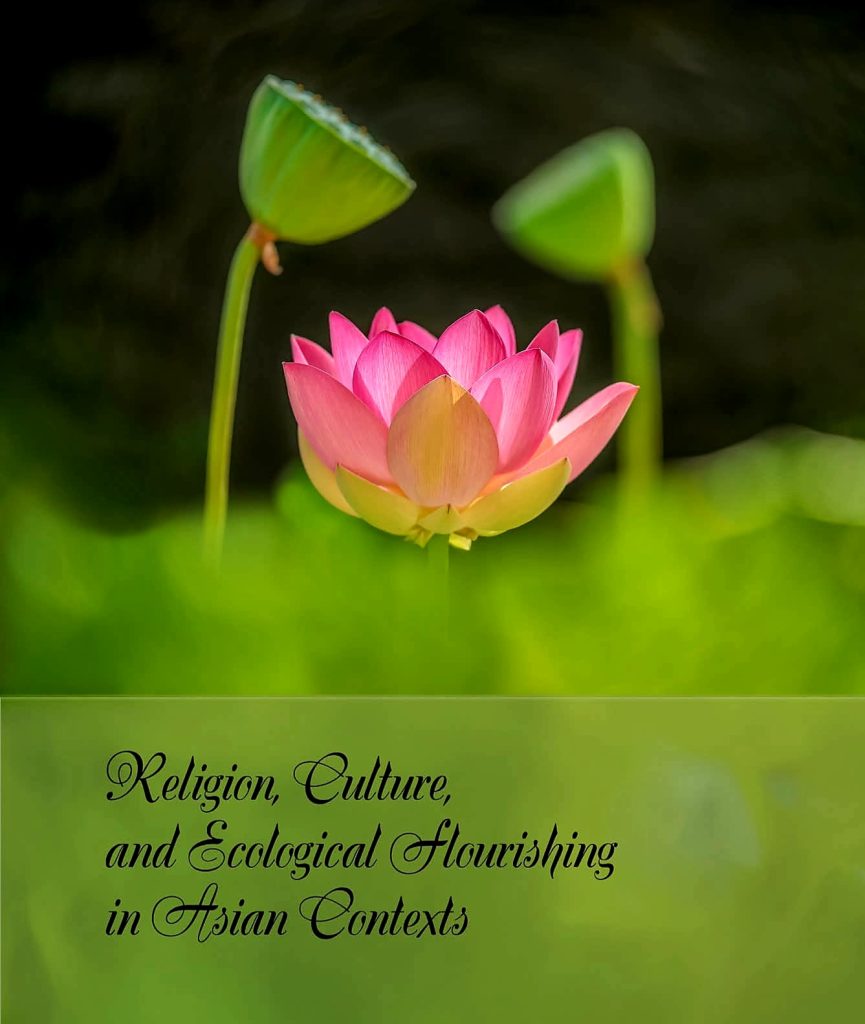
Thailand’s Asian Research Center for Religion and Social Communication (ARC) at St. John’s University has released a new publication offering a compelling Asian perspective on the world’s deepening ecological crisis.
Titled Religion, Culture, and Ecological Flourishing in Asian Contexts (2025) and edited by Fr. Anthony Le Duc, SVD, the volume gathers essays from across Asia that explore how religion and culture can help reimagine humanity’s relationship with nature and promote ecological renewal.
Drawing from Buddhism, Christianity, Islam, Confucianism, Shinto, and Indigenous spiritualities, the book examines how Asia’s rich moral and cultural traditions can shape ecological consciousness and inspire ethical responses to environmental degradation and climate change.
“The ecological crisis is not driven by a single cause nor solvable through a single solution,” writes Fr. Le Duc in the introduction. “It emerges from a web of interrelated tensions — between the present and the future, local actions and global consequences, economic development and ecological limits.”
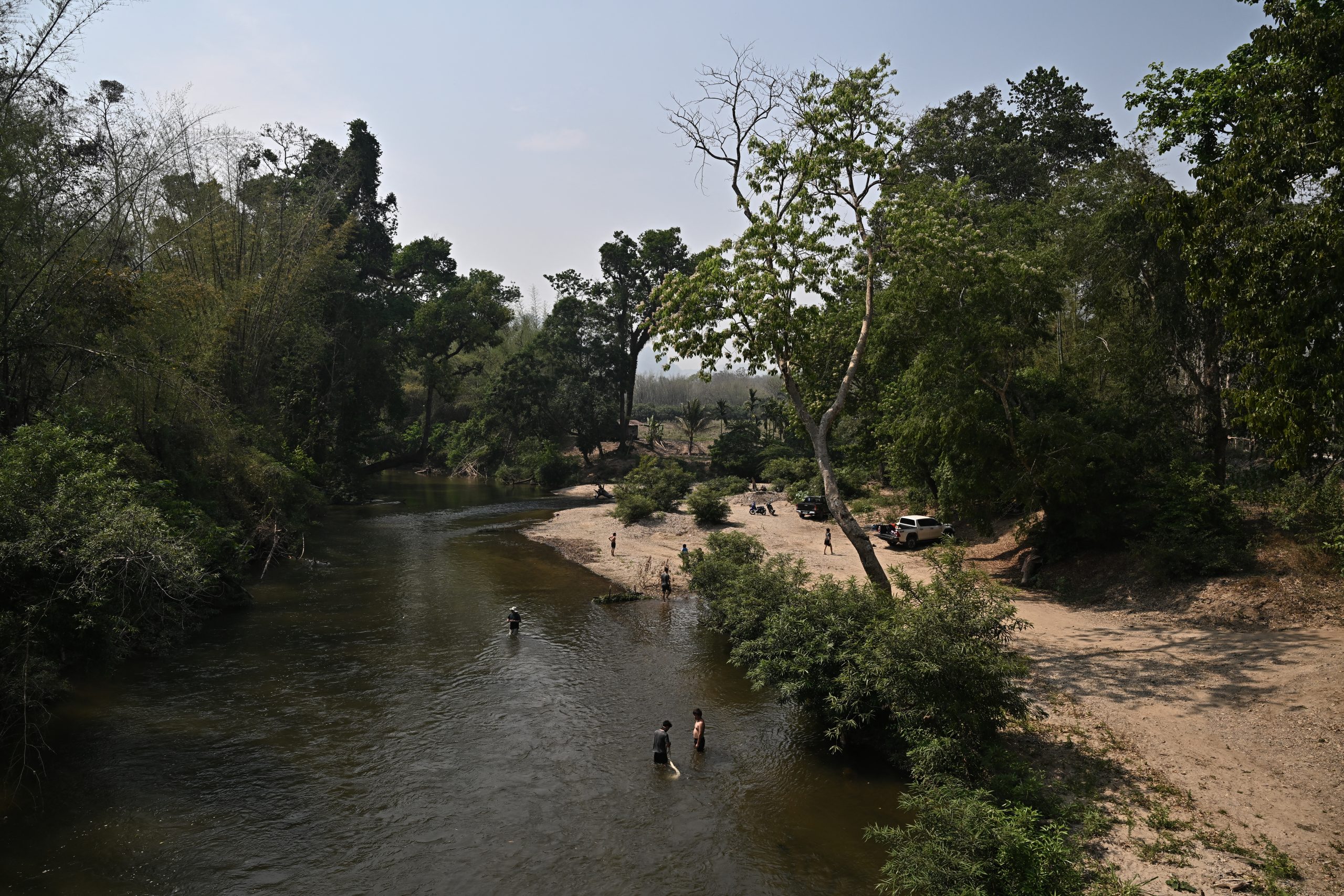
He highlights Asia’s mounting ecological pressures — from deforestation and water scarcity to transboundary haze and urban flooding — and the ethical dilemmas that accompany economic growth.
“When China constructs multiple large-scale dams upstream on the Mekong River, downstream countries experience reduced water flow, significant disruption to fisheries, and increased vulnerability to both droughts and flooding,” he observes.
Beyond Policy and Technology
While acknowledging the need for scientific and policy responses, Fr. Le Duc stresses that the roots of the crisis run deeper — in the moral, cultural, and spiritual fabric of human life.
“Such responses, though essential, often operate within frameworks that neglect the underlying cultural, ethical, and spiritual dimensions of ecological harm,” he writes. “To confront these deeper layers of the crisis, we must engage with the cultural imaginaries and religious worldviews that continue to shape human relationships with the Earth.”
The essays address seven recurring themes: critiquing materialism and anthropocentrism; the role of religion in ecological transformation; traditional ecological knowledge and Indigenous wisdom; interconnectedness and relationality; the cultivation of virtue; gendered environmental stewardship; and communication and education for ecological awareness.
Faith and Moral Imagination
Contributors emphasize that Asia’s faith traditions — from Buddhist mindfulness and Confucian benevolence to Christian ecological conversion and Islamic stewardship — offer deep moral and spiritual resources for environmental renewal.
“True ecological healing requires more than technical solutions or incremental reforms; it demands a reimagining of human flourishing itself,” Fr. Le Duc affirms. “Religion and spirituality are not peripheral resources but central to any meaningful ecological transformation.”
The book highlights the vital role of women in environmental care and the importance of education and storytelling in forming ecological awareness among younger generations.
Toward a Moral Ecology of Hope
In its concluding section, Religion, Culture, and Ecological Flourishing in Asian Contexts calls for the creation of a “moral ecology of hope,” a vision of sustainability rooted in compassion, justice, and sacred interconnectedness.
“The insights of religion, culture, and Indigenous wisdom are not just relevant; they are indispensable,” Fr. Le Duc writes. “They offer inspiring visions of wholeness, dignity, and sacred interconnectedness.”
He closes with a thought-provoking anecdote from his teaching in Indonesia. After a lecture on religion and ecology, a student asked why Asia — the birthplace of all major religions — remains the region most affected by ecological crisis. “This volume does not attempt to answer this question,” Fr. Le Duc concedes, “but it is one worth exploring — perhaps in a future study.”
Religion, Culture, and Ecological Flourishing in Asian Contexts is available for free download at:
https://asianresearchcenter.org/document/download/865/religion-culture-and-ecological-flourishing-in-asian-contexts-arc-2025-1760257225.pdf