Religious leaders across Thailand have expressed strong support for a global call to prayer for peace issued by Pope Leo XIV, urging people of all faiths to unite in spiritual solidarity amid ongoing global conflicts.
The appeal came as the Pope announced a worldwide Prayer Vigil for Peace on the eve of Divine Mercy Sunday, inviting believers everywhere to pray for an end to violence, particularly in conflict zones such as the Middle East.
“We will participate in the Vigil Prayer for Peace with the Pope at 11 p.m., quite late for Thailand,” said Sr. Mary Cecilia Claparols, RA, the superior of the Thabom community in northeast Thailand.
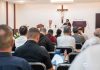
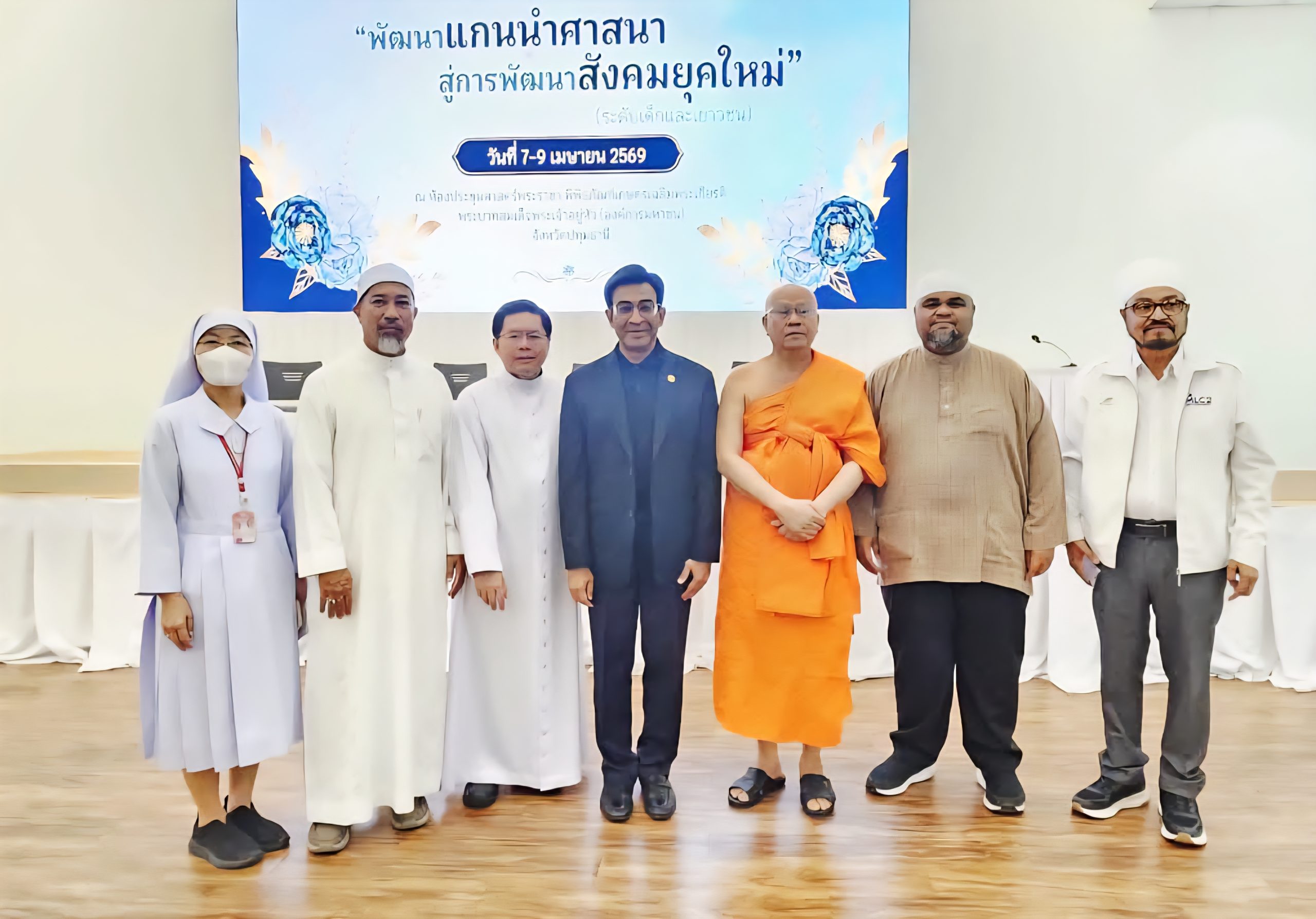
The papal initiative resonated deeply among leaders in Thailand engaged in interreligious dialogue. During a seminar held on April 7 under the theme “The Essence of Religion: Past, Present, and Modern Social Development,” representatives from Buddhism, Islam, Sikhism, and Christianity highlighted shared moral values central to their respective traditions.
Speakers emphasized that love, compassion, cooperation, and mutual respect form the common foundation for building peaceful societies, especially in times of crisis such as armed conflict and natural disasters.
Sr. Kannika Iamtaisong, SHB, who spoke to LiCAS News on April 12, said the dialogue fostered a deeper understanding of how different faith communities can work together in challenging times.
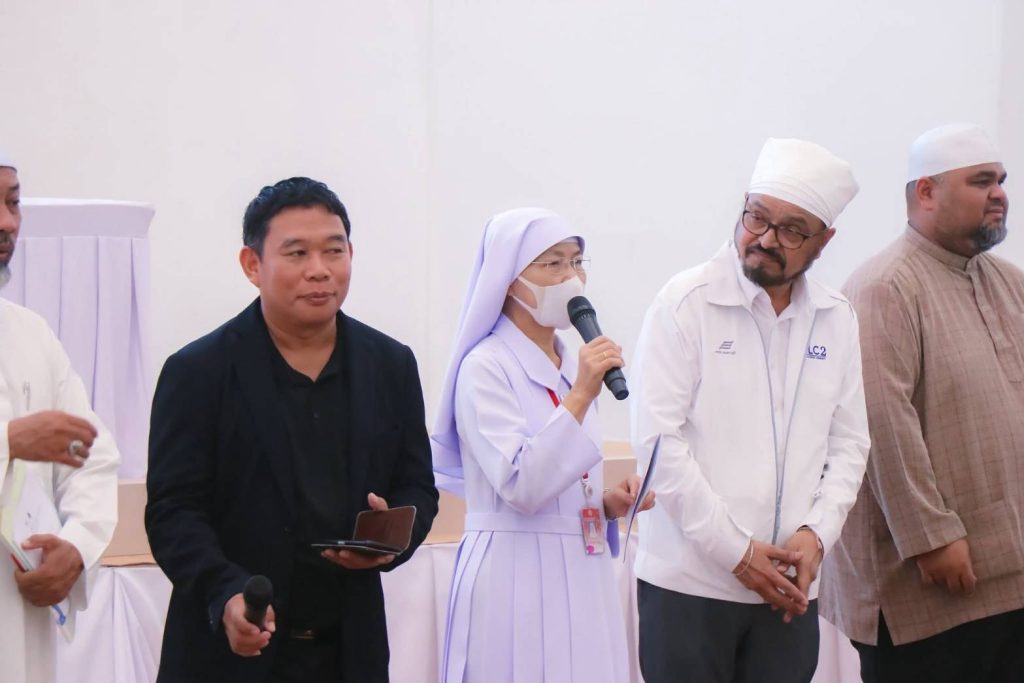
Photo courtesy: Sr. Kannika Iamtaisong, SHB
“We must act through prayer and concrete relief efforts for all human beings, without exception,” she said.
“We are all children of the same Father. Peace is always possible if we move beyond ‘you and me’ to embrace ‘us.’ Taking the first step matters, but walking together is even more important,” she added.
Catholic participants underscored the belief that God is love and that humanity is one family. They highlighted practical expressions of this faith through education, social services, healthcare, and employment support, particularly for the poor and those affected by crises.
“The Church never abandons the needy,” Sr. Kannika noted. “Wherever love is present, God is made visible, and this is clearly reflected in the Church’s social outreach.”
Other religious leaders discussed the importance of communicating faith in ways that resonate with contemporary audiences, including the use of print and digital media, as well as the powerful witness of both religious and laypeople actively serving society.
The issue of engaging younger generations also emerged during the seminar.
One youth participant questioned why religion often appears distant or uninteresting. In response, speakers pointed to the example of global religious leaders, particularly Pope Leo XIV, who have embraced openness, clear communication, and compassion in addressing modern challenges.
The Pope has repeatedly called for an end to armed conflict and the production of weapons, advocating instead for justice and human dignity.
Sr. Kannika concluded by emphasizing the importance of synodality, a journey of walking together in faith and dialogue.
“We begin by learning to love and loving to learn,” she said. “Because God is love, humanity can live together through patience, forgiveness, and mutual understanding.”
Adding historical perspective, Professor Puttipong, a Christian historian from the Archdiocese of Bangkok, highlighted the long-standing role of the Church in promoting peace and social development.
“For more than 300 years, the Siam Mission has been rooted in love and service,” he said. “Through education, healthcare, and outreach to those in need, the Church has continually witnessed to God’s mercy.”
As global tensions persist, Thailand’s interfaith leaders hope that shared prayer and united action can serve as a powerful witness to the possibility of peace, a message echoed in the Pope’s call for a world that transcends division and embraces a common humanity.