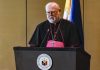

The Justice and Peace Commission of the Archdiocese of Seoul called for sweeping electoral reforms on June 19, saying ballot shortages and voting delays during South Korea’s local elections undermined citizens’ democratic rights and exposed weaknesses in the country’s electoral system.
The commission expressed concern over disruptions that occurred during the June 3 nationwide local elections, when polling stations in several parts of the country reported shortages of ballot papers that caused long delays for voters.
“As citizens of the Republic of Korea, who have marked a significant chapter in the development of democracy around the world through remarkable patience and capability, we cannot help but feel disappointed and concerned,” the commission said.
The Catholic body said the incidents represented more than administrative failures.
“The series of events that occurred during the June 3 nationwide local elections constituted a serious threat to the values of popular sovereignty and the right to political participation, which form the heart of democracy,” it said.
The commission also described the disruptions as “a serious violation of the obligations promised to the Korean people by the National Election Commission.”
The commission emphasized that participation in public life depends on electoral institutions functioning effectively and fairly. It warned that failures in election administration weaken citizens’ ability to exercise their political rights.
It said the election exposed vulnerabilities in institutions that many South Koreans had long taken pride in building.
“Through this incident, we have come to realize how fragile the institutional foundations of our democracy actually are,” it said, adding that the events had left “a deep wound” on public confidence in the country’s democratic achievements.
The commission urged South Korea’s legislative, judicial and executive branches to take responsibility for the failures and pursue reforms that would better safeguard citizens’ voting rights.
It called for “clear institutional innovation” and measures to ensure those reforms become firmly established.
“Do not approach this incident through unnecessary and wasteful political conflict,” it said. Instead, it called for “thorough reform of election administration by the legislative, judicial and executive branches.”
The Church’s intervention came as political and legal scrutiny of the National Election Commission continued to grow.
According to Agence France-Presse, South Korea’s National Assembly on June 18 approved an investigation into ballot paper shortages that affected dozens of polling stations during the June 3 elections.
The controversy prompted the resignation of National Election Commission chief Roh Tae-ak and sparked demonstrations by citizens demanding a new vote.
Police and prosecutors have also launched investigations into the incident, including a raid on the commission’s offices to secure electronic records related to the case.
The commission urged authorities to use the crisis as an opportunity to strengthen safeguards for voters rather than allow it to become “unnecessary and wasteful political conflict.”