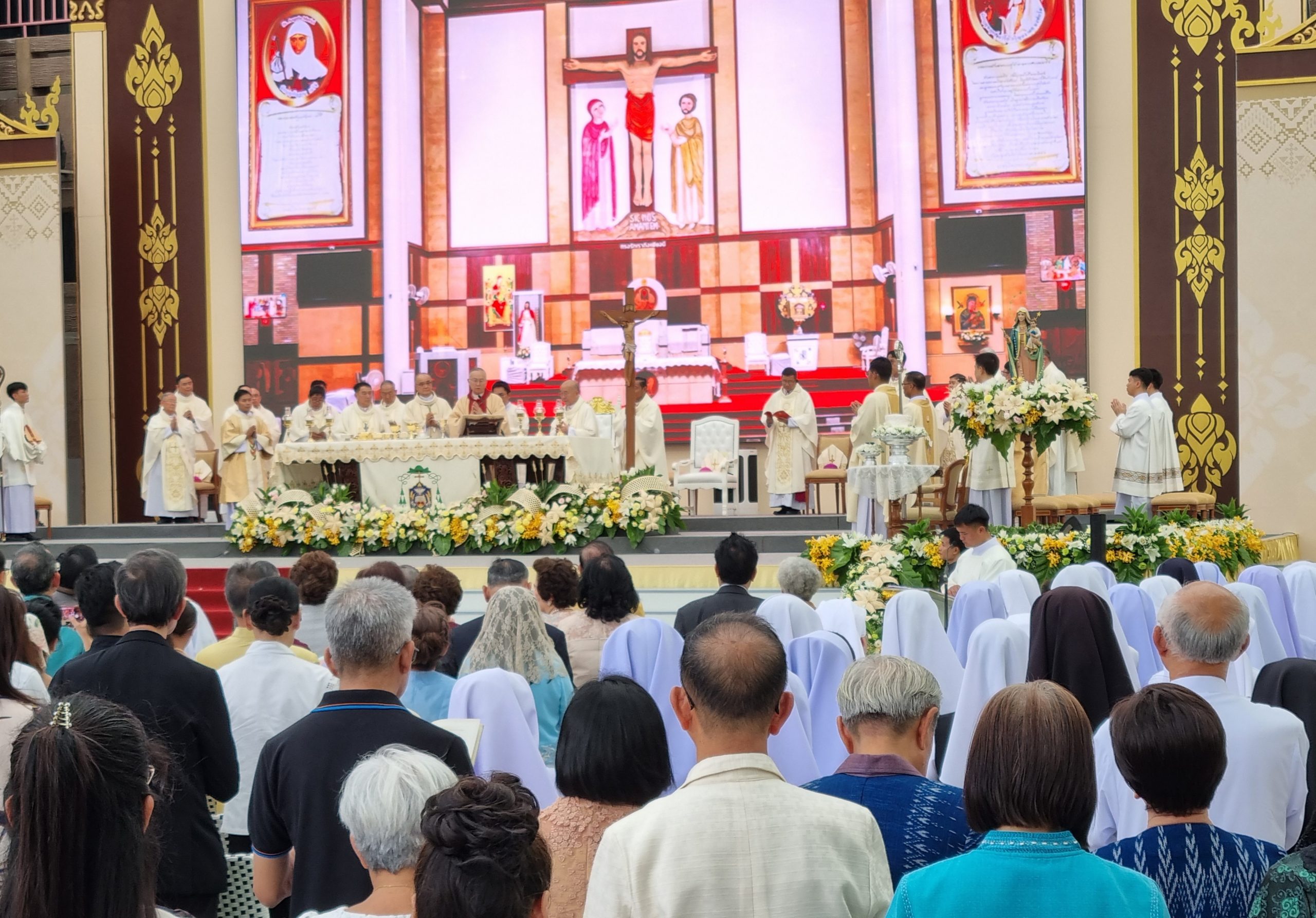
The Catholic Bishops’ Conference of Thailand has laid out a pastoral agenda toward 2033 that places synodality, transparency, safeguarding, social action and care for the environment among the Church’s priorities.
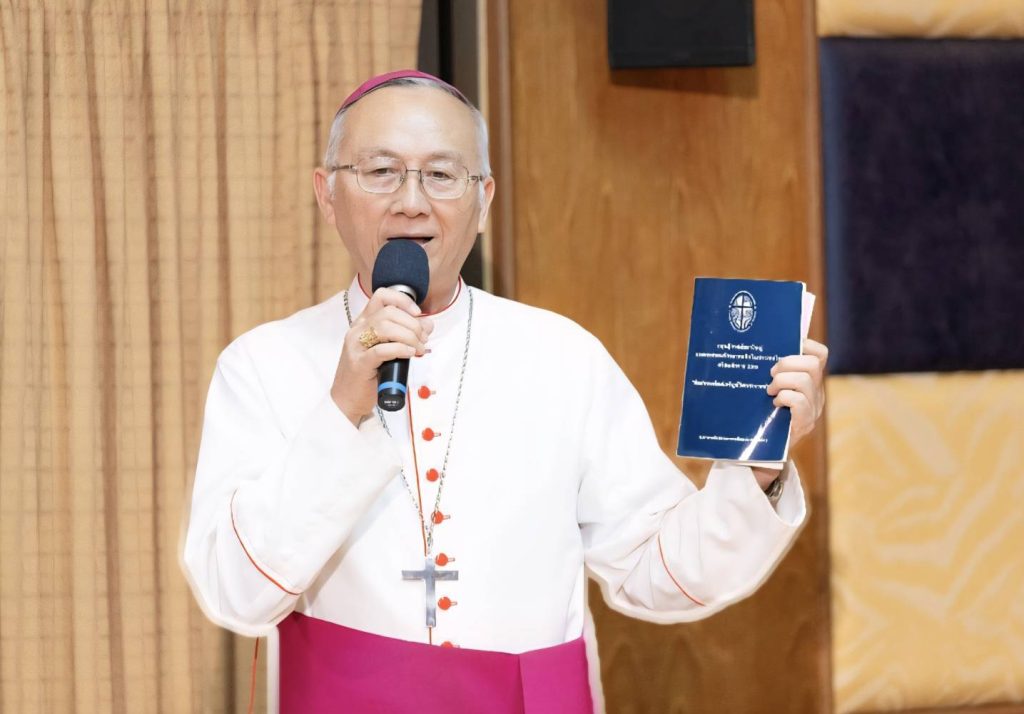
The framework, signed Oct. 1 by conference president Archbishop Francis Xavier Vira Arpondratana, seeks to guide the Catholic Church in Thailand as it joins the wider Church in preparing for 2033, marking two millennia of Christ’s redemption.
It calls on clergy, consecrated persons and laypeople to foster a “culture of synodality” rooted in listening, transparency and social responsibility.
“The Catholic Church cannot remain still amidst the rapid changes in global and Thai society,” the bishops said.
The agenda calls for greater cooperation among dioceses, religious congregations and educational institutions while encouraging laypeople, women and young people to take active roles in the Church’s mission.
It identifies seven areas of focus for the coming years.
The first is synodality, with the Church encouraged to listen to the Holy Spirit and to one another, bridge differences and contribute to peace in Thai society.
The bishops also called for greater institutional transparency, including operational and financial accountability in dioceses, parishes and schools.
Safeguarding is another priority. The framework calls for protection systems, safe environments, codes of conduct and accessible reporting mechanisms to protect minors and other vulnerable people from abuse of power.
The agenda also emphasizes the defense of human dignity at every stage of life, including the needs of young people, the elderly, migrants, prisoners and people living in poverty.
It calls on Church humanitarian networks to respond to natural disasters, economic hardship and the needs of marginalized communities.
Environmental responsibility is also part of the framework. Drawing inspiration from the encyclical Laudato Si’, the bishops called for ecological conversion and cooperation with other faith communities and civil society in promoting sustainable consumption and environmental stewardship.
The seventh priority focuses on Catholic education, with schools encouraged to go beyond career preparation and help students develop a sense of purpose, moral responsibility and service to society.
The bishops said the priorities build on the work of missionaries, clergy and laypeople who helped establish Catholic communities in Thailand.
They called on families, parishes and Catholic institutions to work together as the Church moves toward 2033, linking its spiritual mission with concrete action in areas including environmental care, transparency and child protection.
The bishops said the effort should ensure that the proclamation of the Good News is expressed through tangible acts of love, peace and spiritual renewal across Thailand.