Climate advocates warned that energy agreements reached during the ASEAN summits in Manila could deepen Southeast Asia’s dependence on imported fossil fuels and expose consumers to higher electricity costs.
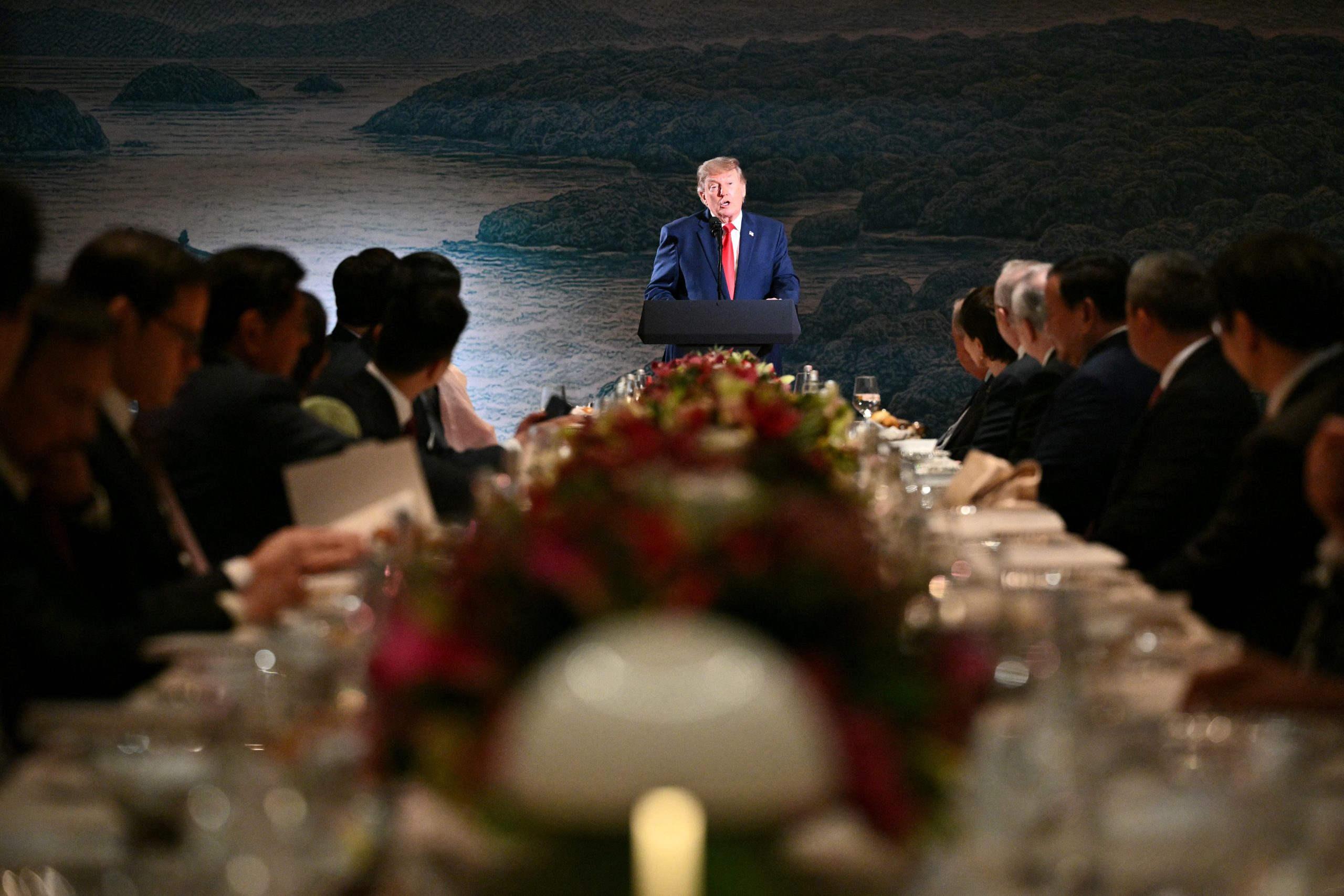
The Power for People Coalition (P4P) criticized energy and defense agreements brokered by U.S. President Donald Trump during the 49th ASEAN Summit and the U.S.-ASEAN Special Summit, saying the deals favor foreign corporate interests and military expansion over public welfare.
The coalition cited expanded U.S. energy imports, a $40 million fuel depot in Subic Bay, the promotion of liquefied natural gas (LNG) from Alaska and multibillion-dollar coal deals in Indonesia and Malaysia.
It warned that the arrangements could prolong the region’s reliance on fossil fuels as communities struggle with high electricity rates and the effects of climate-related disasters.
“These agreements do not serve the welfare of the ASEAN people. They only serve foreign corporate profits and geopolitical posturing,” said Gerry Arances, executive director of the Center for Energy, Ecology, and Development (CEED).
Arances accused regional leaders of putting corporate and geopolitical interests ahead of climate action and energy security.
“Instead of advancing climate justice and genuine energy security for the region, our leaders are turning Southeast Asia into a dumping ground for dirty, volatile fossil fuels and a staging area for military escalation,” he said.
P4P said investments in imported fossil gas and fuel storage facilities could leave Filipino consumers exposed to fluctuating global fuel prices while extending the country’s dependence on fossil fuel infrastructure.
The coalition also warned that further fossil fuel development could threaten marine ecosystems, particularly the Verde Island Passage and waters surrounding Palawan.
“Relying on imported fossil gas and expanding fuel storage facilities only traps Filipino consumers in decades of volatile, expensive electricity bills while accelerating ecological collapse in critical marine corridors like the Verde Island Passage and Palawan,” the coalition said.
It called for a rapid, just and equitable phaseout of coal, oil and fossil gas instead of further investments that could prolong the region’s dependence on these fuels.
P4P also opposed defense arrangements associated with the summits, citing weapons sales and military infrastructure upgrades, including the modernization of Basco airport in Batanes.
The coalition said the agreements could heighten regional militarization while governments continue to prioritize fossil fuel investments over the needs of communities affected by the climate crisis.
P4P invoked the appeal of Caritas Philippines President Bishop Gerardo Alminaza of San Carlos at the 31st United Nations Climate Change Conference (COP31), urging governments to consider the “three empty chairs” representing the poor, the common home and future generations.
“Decisions made behind closed doors in Manila that sacrifice ecological integrity and community rights for short-term trade concessions lack moral legitimacy,” Alminaza said.
He called for greater participation by marginalized communities, including fisherfolk, farmers and Indigenous Peoples, in decisions affecting their lands, livelihoods and environment.
Fr. Warren Puno, convenor of Quezon for Environment (QUEEN), urged ASEAN governments to prioritize decentralized renewable energy systems over large-scale energy projects and continued fossil fuel imports.
“Localized and decentralized renewable energy systems, such as community-led solar rooftops and micro-grids empower ordinary citizens, lower power costs, and build genuine energy sovereignty without displacing communities or destroying ecosystems,” Puno said.
He said community-based renewable energy could offer an alternative for Southeast Asian countries vulnerable to climate impacts.
P4P called on the Philippine government and ASEAN leaders to reject further fossil fuel expansion and foreign military assistance that contributes to militarization.
The coalition urged governments to redirect public investments toward community-led renewable energy systems and pursue a rapid, just and equitable transition away from coal, oil and fossil gas.