Stella Maris Thailand renewed its call for fair wages, safe working conditions, and stronger labor protections for fishing workers as it marked World Fisheries Day on Nov. 21, 2026, with outreach to fishing communities in eastern Thailand.
Operating under the Catholic Commission for Social Pastoral Care, Tourism and Seafarers, the organization has strengthened its efforts to protect artisanal and migrant fishing workers in Thailand, one of the world’s leading seafood exporters.
On Oct. 12, Stella Maris Thailand signed a three-year memorandum of understanding with the Thai Tuna Industry Association (TTIA) covering workers aboard Thai-flagged purse-seine fishing vessels and foreign refrigerated tuna carriers.
Under the agreement, Stella Maris teams are expanding regular port visits across Thailand to assess onboard living conditions and listen to workers’ concerns.
The partnership also provides confidential channels for resolving labor complaints to protect whistleblowers from employer retaliation.
Stella Maris is working with the International Fund for Fishing Safety (IFFS) to provide safety training and lifesaving equipment to artisanal and migrant fishers to help prevent injuries and fatalities at sea.
“Catholic social teaching affirms the dignity of every person and the dignity of work. For fishing crews, respect for that dignity takes practical forms: fair wages, enough time to rest, safe working conditions on board, and the right to ask for help without fear of retaliation,” said Apinya Tajit, deputy director of Stella Maris Thailand.
World Fisheries Day traces its roots to Nov. 21, 1997, when representatives of fishing communities from 18 countries gathered in New Delhi, India, to establish the World Forum of Fish Harvesters and Fish Workers (WFF).
The forum’s commitment to sustainable fisheries management remains central to United Nations Sustainable Development Goal 14, or Life Below Water, which recognizes the importance of healthy oceans to global food security and coastal livelihoods.
This year’s observance focused on combating overfishing, eliminating illegal, unreported and unregulated fishing, and protecting small-scale fishing communities.
Advocates in Thailand emphasized that efforts to protect marine ecosystems must also address the rights and working conditions of fishing crews.
Pastoral outreach to fishing workers
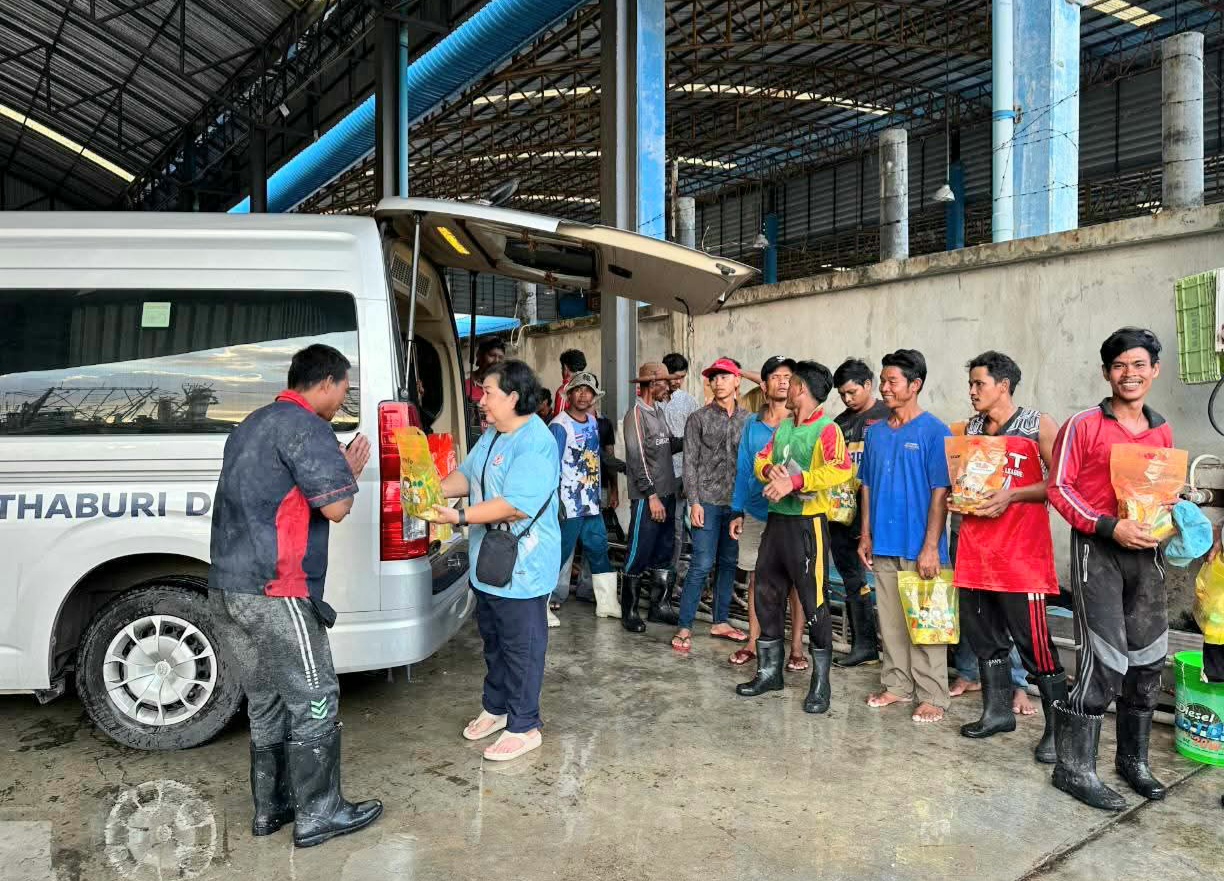
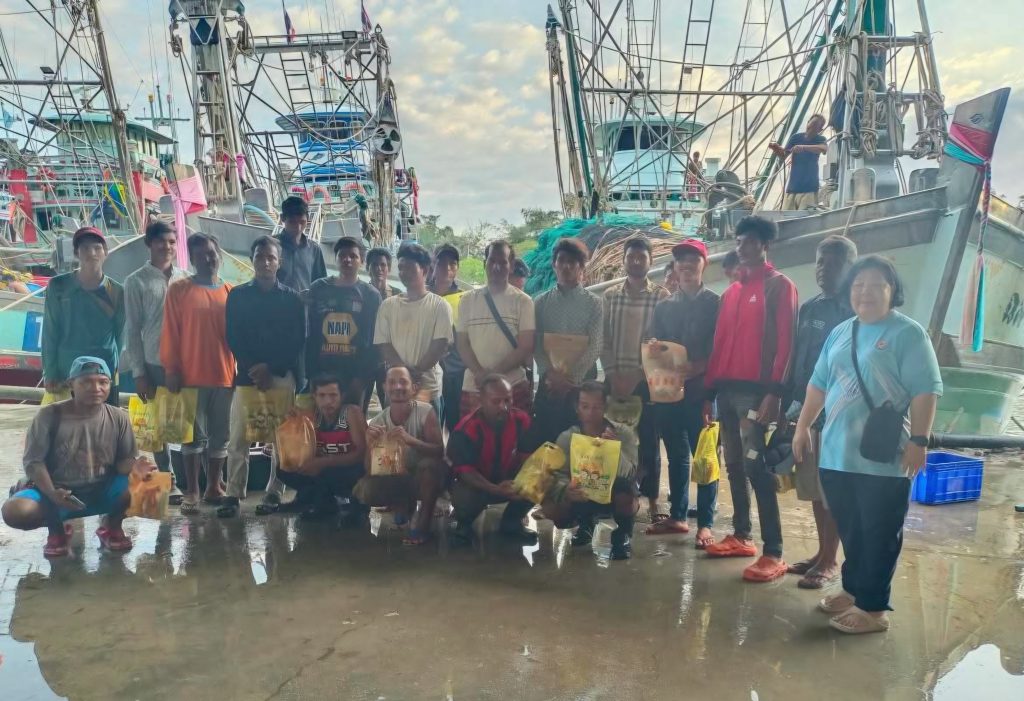
In eastern Thailand, the Stella Maris team from the Diocese of Chanthaburi visited local ports to distribute essential supplies to fishing workers.
The diocesan team is a member of Christian Organizations Against Trafficking NETwork (COATNET), which brings together Catholic and ecumenical organizations worldwide to combat forced labor and exploitation.
Outreach workers distributed packages containing dried food, instant noodles, instant coffee, soft drinks, soap, body powder, shampoo and laundry detergent.
“Meeting them in person and placing these supplies in their hands gave us a chance to say it directly: Thank you for the work you do. Thank you for bringing food to our tables,” Tajit said.
“The people who bring food to our tables have loved ones waiting for them at home, too.”
Ahead of World Fisheries Day, Pope Leo XIV offered a special prayer for fishing workers worldwide, particularly migrant workers vulnerable to exploitation and families awaiting news of loved ones lost at sea.
Tajit said the ministry’s work reflects the Gospel of John, in which the risen Jesus prepared bread and fish for his disciples after a night at sea, welcoming them with the words, “Come and have breakfast” (John 21:12).
“That scene reminds us where pastoral care begins,” Tajit emphasized.
“We go to where people live and work, give them time to tell their own stories, and stand beside them when they need help. Sharing food and essentials today was one way to stand alongside our brothers and sisters beyond the catch. That same care calls us to listen to them and help ensure their voices are heard throughout the year.”