
It begins with a critical question: How can university students across Indonesia adopt Ignatian Spirituality and live out its values, even though some are not Catholic?
The answer lies in an immersion program where university students are dispatched to grassroots communities to engage in social realities.
This program is designed by Jesuit major seminarians based in Yogyakarta, Central Java. It aims to offer recipients of the Bhumiksara Foundation’s scholarship scheme a meaningful opportunity to undergo an inner journey, following the practices of Ignatian Spirituality.
Last June, a four-day national gathering brought together 30 university students from various regions of Indonesia to deepen their understanding of faith, leadership, and service. The immersion in Ignatian Spirituality was intentionally crafted to give participants practical tools to navigate the complexities of modern life.
These spiritual practices helped participants integrate faith into their daily experiences—academic life, relationships, and future plans—highlighting that a personal encounter with God occurs not apart from, but within, the rhythm of ordinary life.
Participants learned to recognize the interior movements of consolation and desolation, gaining insight into decision-making and spiritual clarity. Many described their spiritual journey as a moment of “coming home,” offering rest and renewal amid the pressures of academic and professional life.
“Ignatian Spirituality’s Examen Conscientiae helped me become more aware of God’s presence in the little moments of each day,” said one student. “Discernment gave me tools to make decisions with deeper peace and freedom.”
Reaching out to the homeless and the poor
A major outreach initiative took place in Pingit’s Social Environment National Project—a Jesuit-run shelter and ministry in Yogyakarta. The immersion was fully organized by Yogyakarta-based students in cooperation with several Jesuit seminarians, reflecting the Bhumiksara Foundation’s emphasis on leadership through service.
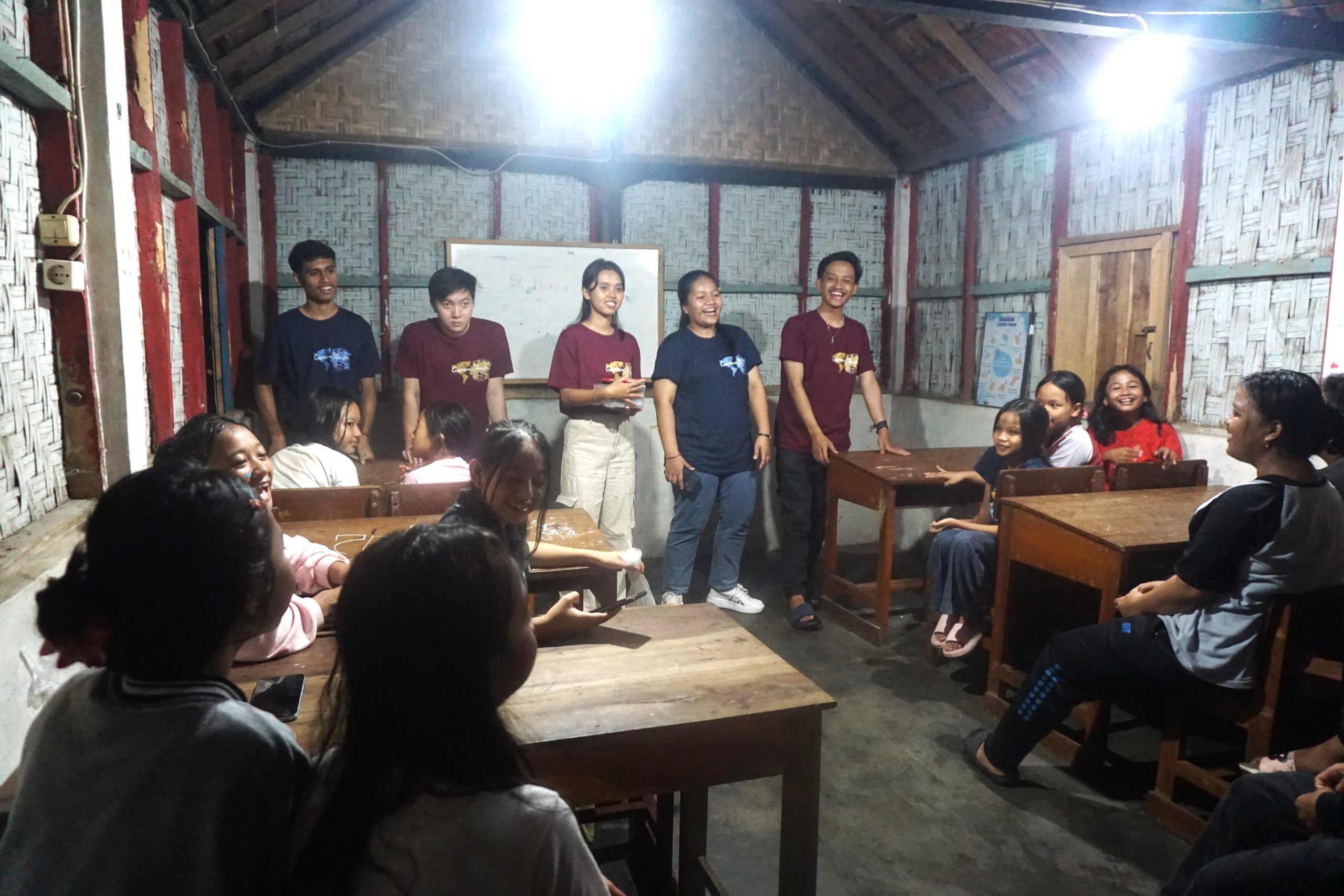
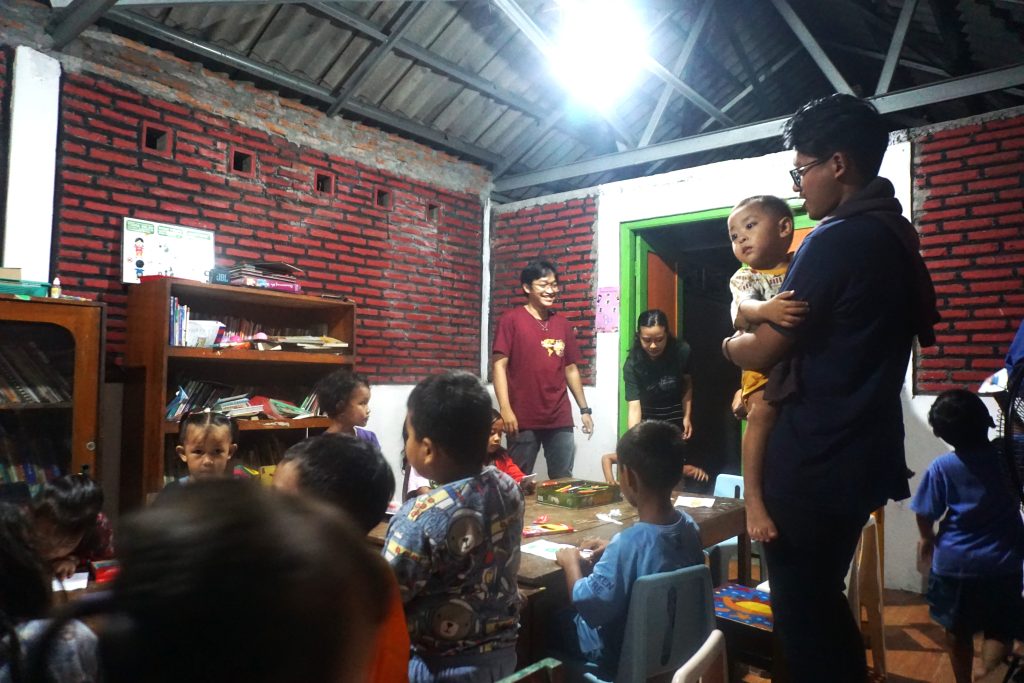
University students engaged with underprivileged children from the Pingit community through educational modules, creative workshops, and interactive learning sessions. More than a one-way outreach, the initiative became a space of mutual learning and genuine encounter.
“In Pingit, we didn’t just teach—we listened, we learned, and we built relationships,” said one participant. “The children’s joy and resilience inspired us to reflect on what it means to truly serve.”
Lessons learned and values lived
Through this experience, students encountered the lived realities of marginalized communities, deepening their understanding of leadership as a call to justice, compassion, and solidarity.
The spirit of encounter and humility reshaped their view of service—not as charity, but as partnership and shared transformation.
As the gathering concluded, participants returned to their campuses and communities with a renewed commitment to embody the Bhumiksara Foundation’s values.
Strengthened by Ignatian Spirituality and grounded in real-world service, they pledged to become men and women for others—leaders who use their talents not only for personal success, but also to help build a more just and humane Indonesia.
Royani Ping is post-graduate alumni from University of Melbourne, since 2010 Director of Yayasan Bhumiksara and lecturer in Business and Economics Faculty of the Catholic University of Atma Jaya Jakarta









