A new report by Climate Rights International (CRI) has revealed the devastating toll of extreme heat on low-wage workers in Dhaka, Bangladesh, exposing how rising temperatures—fueled by climate change—are compounding long-standing labor rights abuses.
Titled “My Body Is Burning: Extreme Heat and Labor Rights in Bangladesh”, the 174-page report is based on interviews with 54 workers across the garment, construction, and transportation sectors. It documents how high temperatures, combined with exploitative work conditions, are endangering the health, income, and dignity of millions of workers.
“My body is burning. But still there is no break at all. I have to complete [my] work… I am suffering [in the heat], but I have to do my job,” said Raina, a garment worker interviewed by CRI while six months pregnant in 2024.
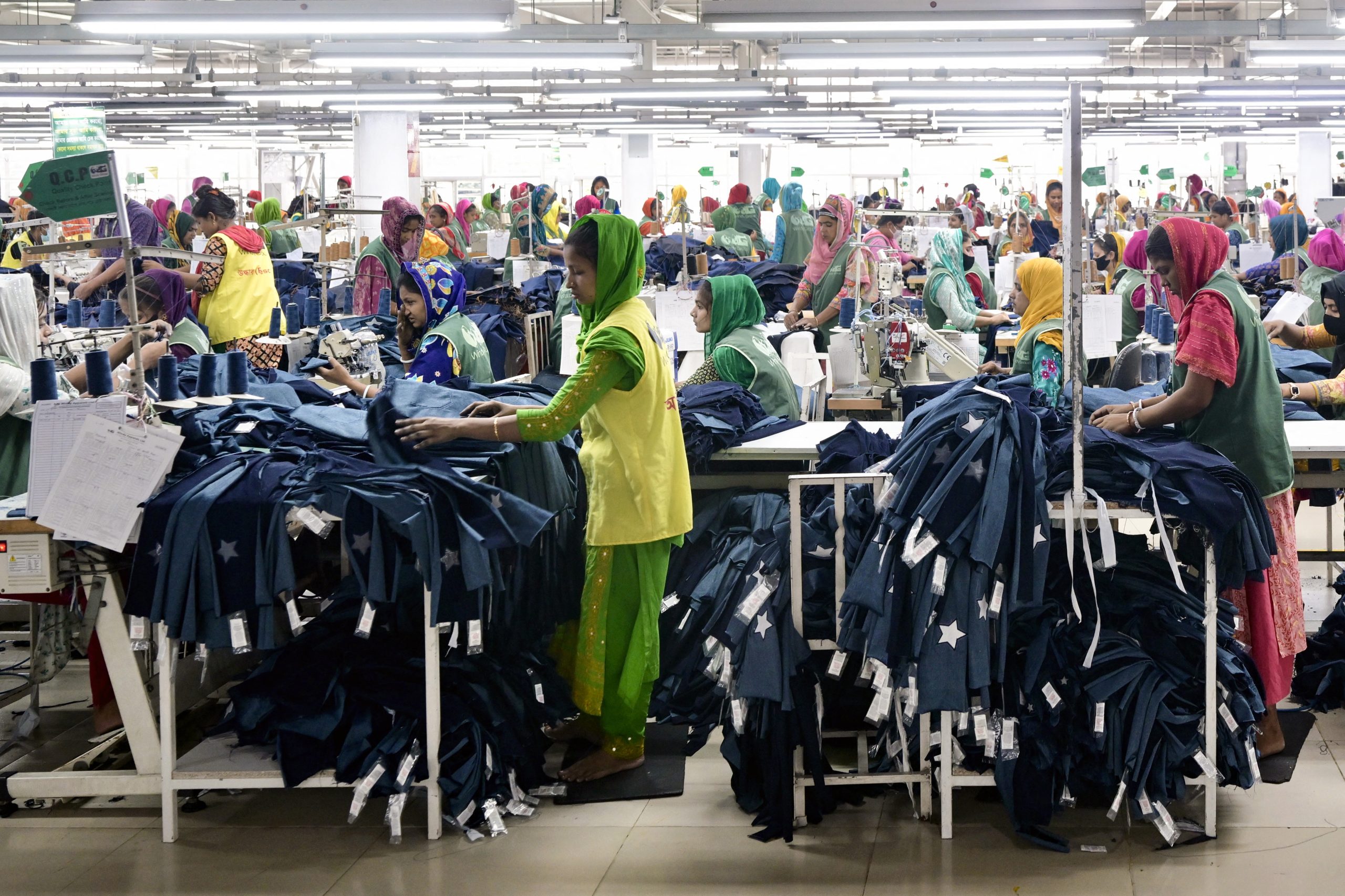
In May 2025, Dhaka experienced temperatures of 40°C and humidity above 91%, pushing the “feels like” temperature to nearly 48°C. Still, workers like Raina were made to sew garments for up to 14 hours a day inside poorly ventilated factories, with no additional rest or cooling support.
Raina described suffering from headaches, nausea, fainting, and urinary tract infections. “There is no space to have a break, so I just lie down underneath the table. And after a little break, I started work again,” she told CRI. “Almost every day [in the hot season], in our factory, five to seven people faint.”
CRI’s report warns that over 70 million workers in Bangladesh are already exposed to excessive heat each year, and the number is rising.
Outdoor workers are no safer. Kaswar, a rickshaw puller who fled coastal flooding in his village, said: “When the humidity and the heat [are] high, it’s really difficult to work in this condition … Sometimes I feel really like … I’m going to die like this.” He added, “I never heard about this type of heat from my father, my grandfather.”
“Almost two months ago, one of my friends, [a] rickshaw driver, he died out of this heat stroke,” he told CRI.
Many workers said the heat was reducing their income, as they struggled to meet quotas or cut shifts short due to illness. “When the heat is too much, I cannot go as much as the other normal day. So it affects negatively on my income and my working time also,” said Razia, a female delivery worker.
Others, like Selim, faced hunger: “When the hot temperature happens, we cannot work, so the income is reduced considerably. It eventually makes it more difficult to maintain the household expenditure. So sometimes we cannot eat.”
The report links these heat-related impacts to systemic labor violations, including low wages, forced overtime, lack of bathroom access, and denial of medical leave. Pregnant women, including Raina and another worker named Laiba, received no adjustments to workload despite heightened health risks.
The climate crisis, the report argues, is colliding with poor workplace protections to create “a quiet crisis.” Few multinational companies that source from Bangladesh have implemented heat protection standards. CRI calls this corporate failure “a significant contributor to ongoing abuses.”
“In Bangladesh, we have commitments, we have protective policies for [formal sector] workers. But in practice, it’s not happening. Accountability is not happening,” said Md. Towhidur Rahman, president of the Bangladesh Apparel Workers Federation, in an interview with CRI.
As Bangladesh transitions politically following the fall of the Hasina government, Rahman voiced cautious optimism: “We hope that the international community, including governments and companies, will step forward on climate change and provide assistance to support Dhaka’s workers.”
The report calls for national heat safety standards, access to water and medical care, wage reforms, and international climate financing to support worker protections.
Rani, another garment worker, summarized the despair many feel: “Actually, the excessive heat, it affects my life and my work. But still, I am just like a machine. I have to work. Just complete the work.”