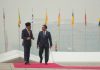
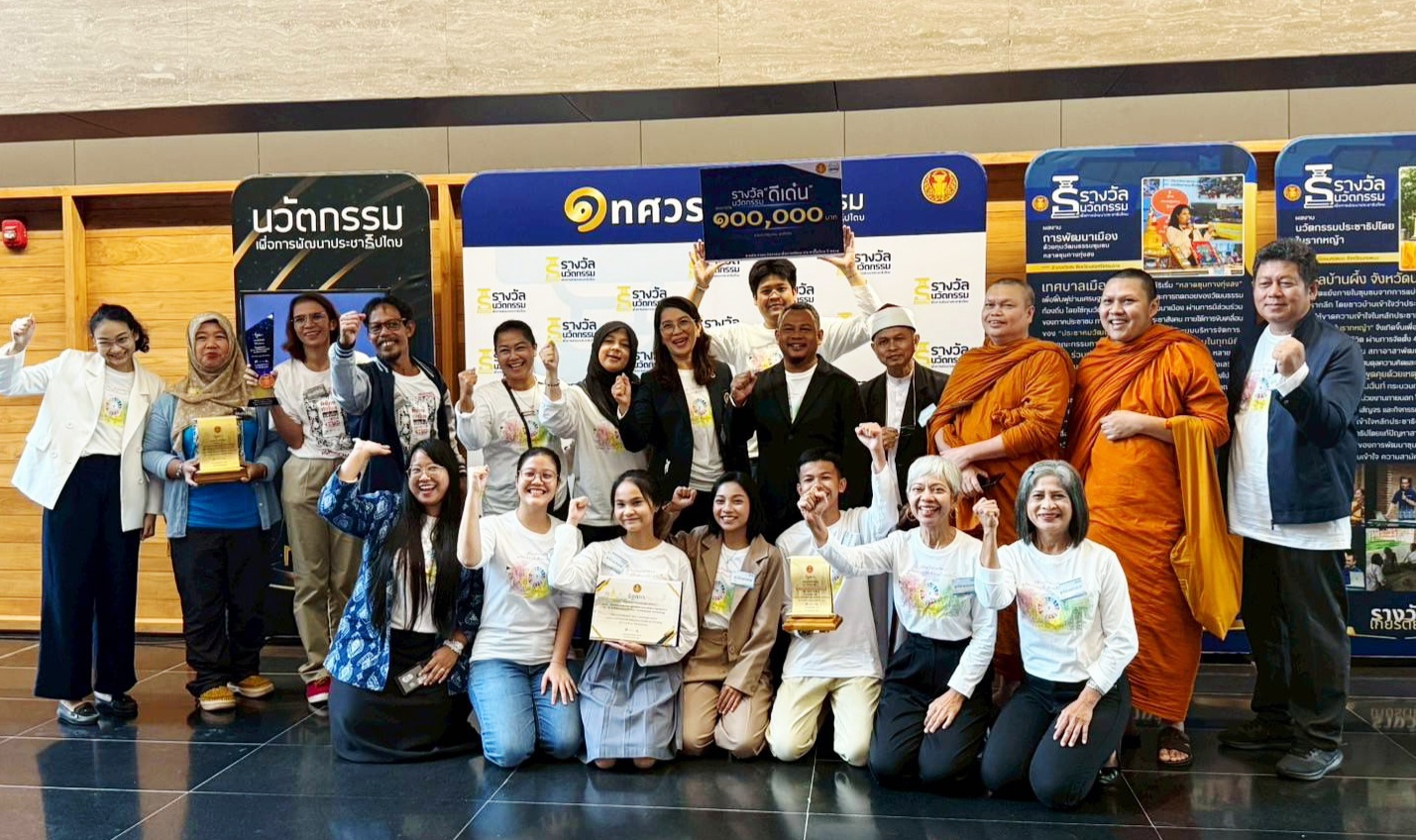
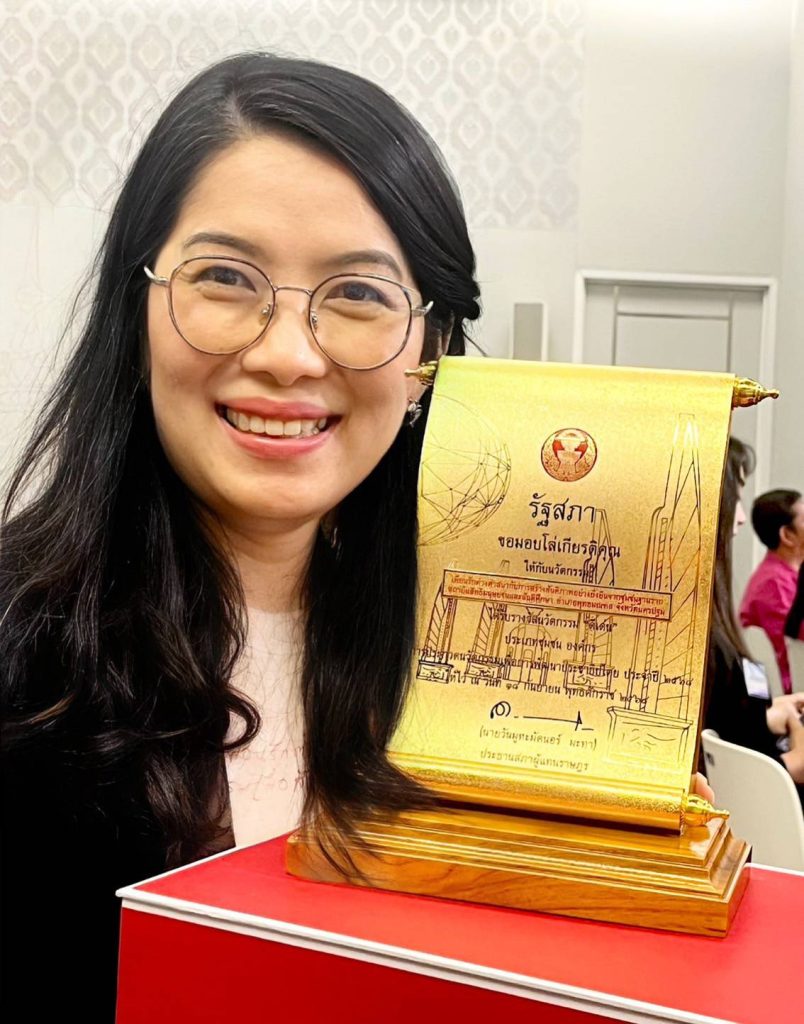
Thailand’s Speaker of the House of Representatives on Thursday (Sept. 18) honored Catholic researcher Dr. Anna Padtheera Narkurairattana with the “Outstanding Democratic Innovation Award.”
The recognition highlights her team’s grassroots peacebuilding project in the country’s violence-torn southern border provinces.
The award was presented to Dr. Narkurairattana, known to many as Ajarn Rung, and her team from the Institute of Human Rights and Peace Studies at Mahidol University, west of Bangkok.
Their project, Friends of Different Religions and Sustainable Peacebuilding from Grassroots Communities, has been recognized as a pioneering model of democratic innovation rooted in community participation, interfaith dialogue, and holistic well-being.
Healing fractured ties
For two decades, the Deep South — where Buddhist and Muslim communities once coexisted — has been scarred by armed conflict fueled by historical, ethnic, and economic grievances. The violence has claimed thousands of lives, including religious leaders from both communities.
“The beheading of monks, beginning in 2004 and continuing to the killing of Phra Khru Prachoti Rattanarak in 2019, along with the loss of many Muslim leaders, shattered the bridge that once supported Buddhist-Muslim coexistence,” Padtheera told LiCAS News.
The conflict has deepened mistrust and eroded cultural bonds, leaving communities isolated and fearful. To counter this, the Interfaith Friends Project has sought to create “health as a bridge for peace,” fostering safe spaces for dialogue, healing, and friendship across religious lines.
From grassroots to policy
The initiative focuses on rebuilding trust through shared cultural heritage and community-driven participation. It has produced lesson guides, books, videos, and trilingual media (Thai, Malay, Jawi/Rumi) to reflect respect for linguistic and cultural rights.
The project’s approach has also been integrated into schools, universities, and policymaking agencies, aiming not merely for survival in conflict zones but for meaningful coexistence and shared living.
“Our focus is to turn walls into bridges, work with heart and love, and believe that friendship is the foundation for lasting peace,” said Padtheera, who has devoted more than a decade to the cause despite enormous challenges.
Padtheera recalled one turning point in 2015, when a bomb attack that killed a Buddhist monk ignited widespread anger. Calls for revenge — “an eye for an eye, a tooth for a tooth” — spread rapidly, threatening to engulf communities far beyond the Deep South.
“At that time, bringing Buddhist and Muslim leaders together was almost impossible,” she said. “But we were determined to build bridges to overcome hatred. Over 10 years, by using health for peace as a bridge, we invited Buddhists and Muslims to work side by side until they became true friends of different religions for peace.”
Through this persistence, she and her team helped restore confidence in hundreds of communities.
A community-driven success
Padtheera insists that the award belongs not to her but to the communities who have embraced the project. “When the day came to receive the award, it was a source of pride and gratitude to the communities who still believe. They would always tell me, ‘You will definitely take us there,’” she shared with joy.
Community members echoed the sentiment. One said, “Even though Ajarn Rung is an outsider, she is incredibly dedicated to us. We must rise and do more ourselves. We cannot leave her to carry the burden alone.”
For Padtheera, her Catholic faith has been a source of strength. “I want to thank God because no matter how difficult it is, whenever I face challenges beyond my ability, I can only pray for wisdom and guidance from St. Francis of Assisi, my role model in religious relations.”
The Interfaith Friends Project stands today as a testament to how grassroots participation, cultural respect, and interfaith friendship can contribute to building peace and democracy from the ground up in one of Southeast Asia’s most troubled regions.