Pakistan’s federal cabinet has approved a ban on the radical Islamist political party Tehreek-i-Labbaik Pakistan (TLP), known for its anti-Christian stance and support of blasphemy laws.
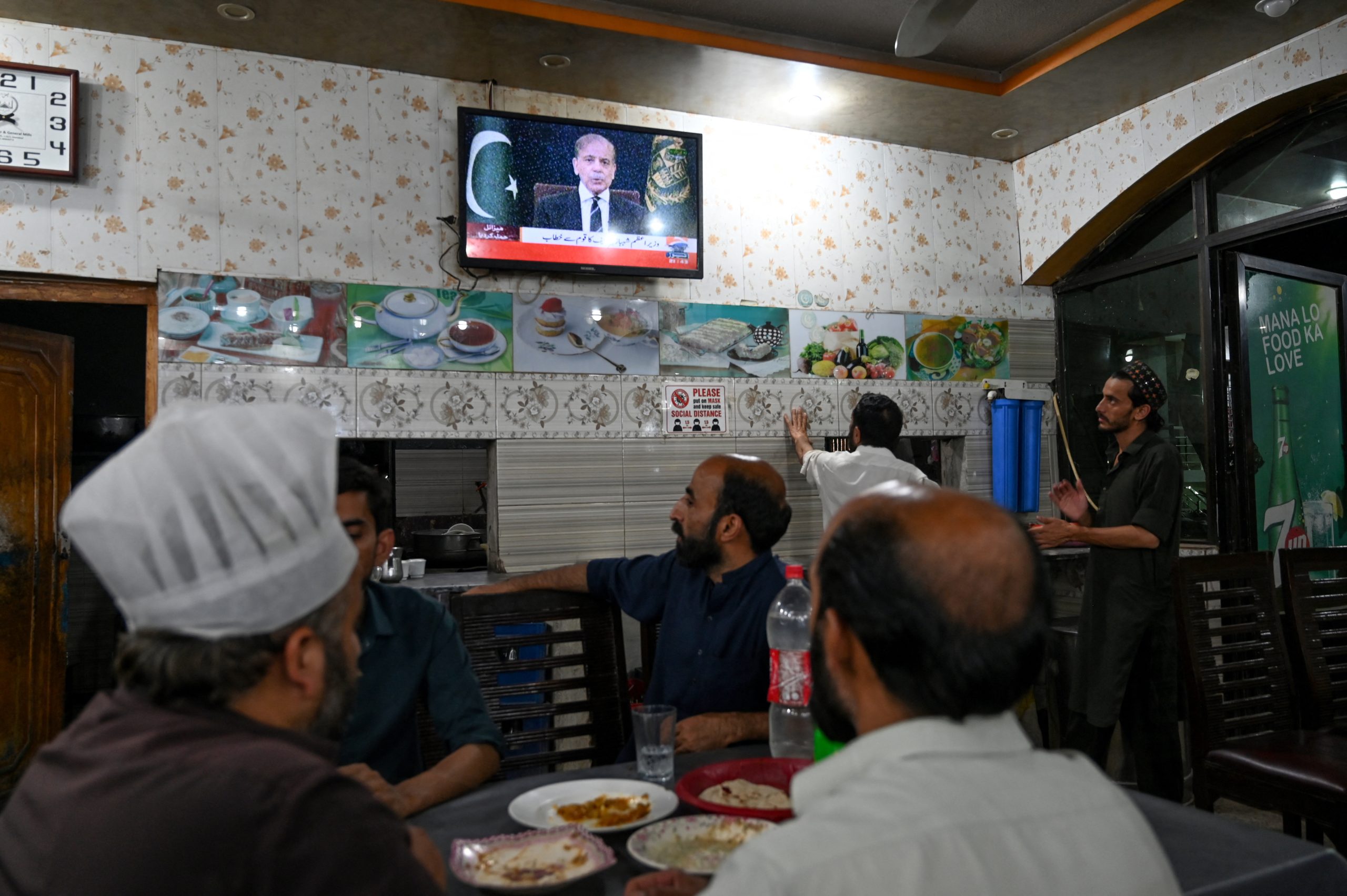
The decision, announced on 23 October during a cabinet meeting chaired by Prime Minister Shehbaz Sharif in Islamabad, was made under the country’s Anti-Terrorism Act following a briefing by Federal Interior Minister Khawaja Asif.
The move came after a recommendation from the Punjab government on 17 October, following violent attacks by TLP members that left five people, including a police officer, dead and injured 48 policemen.
The government said the outlawed group was involved in terrorism and violent activities. Under Article 17 of the Constitution of Pakistan, the state has the right to impose such a ban.
Earlier, on 13 October, the TLP organized a “Gaza Solidarity March” and attempted to reach Islamabad to protest in front of the U.S. Embassy. After failed negotiations, violent clashes erupted between TLP workers and police, first in Lahore and later near Muridke, about 355 kilometers from the capital.
Following the unrest, authorities launched a province-wide crackdown. Police have so far arrested around 5,000 members, while the party’s leader, Saad Rizvi, has gone underground. The government also sealed the group’s bank accounts and several properties.
This is not the first time the TLP has been banned. In 2021, Imran Khan’s government outlawed the group after violent protests against France and attacks on law enforcement agencies. This time, however, Khan’s party has opposed the government’s move.
TLP has built influence by exploiting religion and Pakistan’s blasphemy laws. The group has been accused of attacking Ahmadi and Christian communities and of filing blasphemy-related cases against non-Muslim minorities.
The party was founded by Khadim Hussain Rizvi, a cleric who emerged after the January 2011 assassination of Punjab governor Salman Taseer by his police guard, Mumtaz Qadri. Taseer had opposed Pakistan’s harsh blasphemy laws and appealed for the pardon of Asia Bibi, a Christian woman imprisoned under the law.
In 2016, Qadri was sentenced to death by the Islamabad High Court and executed in Rawalpindi. His execution sparked nationwide violent protests led by Rizvi’s group, which gained popularity by using inflammatory religious rhetoric against state institutions.
The TLP is known for organizing violent protests, sit-ins, and road blockades to pressure the government into accepting its demands. Authorities have often entered negotiations with the group after each violent episode, resulting in agreements largely favorable to the TLP.
The party, registered with the Election Commission of Pakistan, contested the 2018 general elections, securing 2.2 million votes and becoming the fifth-largest political party nationally and the third-largest in Punjab province.
Officials said the recommendation to ban the group was made after a high-level review of its activities, including attacks on the properties and worship places of Christians and Ahmadis.
TLP members have been accused of participating in anti-Christian campaigns and violent attacks in Sargodha and Jaranwala.
On 16 August 2023, following a false blasphemy accusation against two local Christians, an angry mob attacked Christian neighborhoods in Jaranwala and nearby areas.
In a single day, at least 24 churches and dozens of smaller chapels were vandalized in 11 localities. Around 80 homes were looted and set ablaze.
“Christians are quietly happy about the ban on the party, but they are afraid to speak openly,” said Anosh Anthony from Jaranwala.
Civil society has expressed concern over the government’s decision, noting that many political players have maintained ties with the group and previously engaged with it. Despite the TLP’s involvement in attacks on Christians and Ahmadi places of worship, authorities had not acted against the perpetrators.
According to journalist Benazir Shah, local TLP leaders were seen sitting alongside police officials during meetings held after the Jaranwala attacks. She shared the observation during a TV discussion.