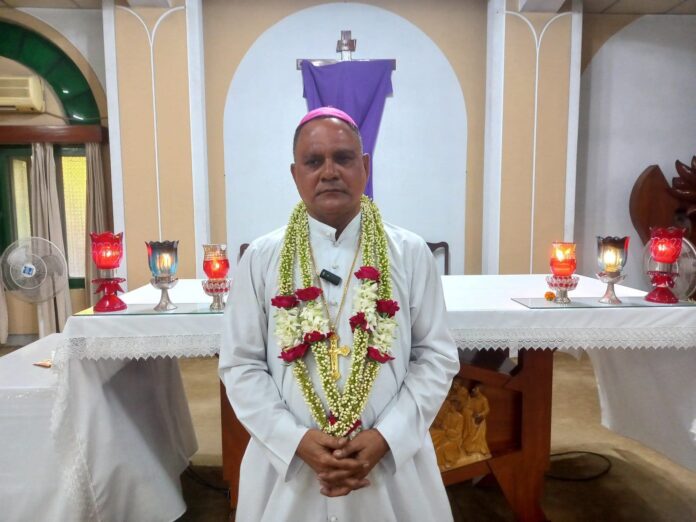
The newly established Diocese of Joypurhat in Bangladesh made Indigenous land rights and social inclusion a priority as tribal communities struggled with poverty, discrimination, and land-related abuses.
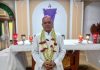
Bishop Paul Gomes, the first bishop of Joypurhat, said many Indigenous Catholics in the northwestern region worked as agricultural day laborers or small-scale farmers and faced unequal access to land and other resources.
“The indigenous Catholic faithful in the area are among the most socially vulnerable groups in Bangladesh,” Gomes told Vatican’s Fides News Agency.
“They face chronic inequality and discrimination in access to resources and land,” he added.
The prelate said Indigenous communities also faced illiteracy, vulnerability to natural disasters and migration to cities or abroad in search of work.
Lay Catholics took on a key role in helping communities respond to land disputes, discrimination, and other abuses, particularly in remote villages where priests could visit only a few times a year.
“Catholic lay people, often trained through diocesan programs and Caritas Bangladesh, help village leaders defend their legal rights, protect ancestral property and report violations,” Gomes said.
Indigenous people in the region were often victims of illegal land expropriation, civil discrimination and abuses because of their social vulnerability and lack of literacy.
Pope Leo XIV established the Diocese of Joypurhat on March 25 from territories of the dioceses of Rajshahi and Dinajpur. Gomes took possession of the diocese in June.
The diocese has about 25,000 Catholics across 13 parishes. The vast majority belong to Indigenous and tribal communities, including the Santal, Oraon, Mahali, Munda and Paharia peoples. The Joypurhat area has a population of about 7.7 million.
The Church also identified education and health care as priorities in addressing poverty and social exclusion.
“In Joypurhat, our commitment focuses on two fundamental areas for the development of the region: establishing schools accessible to all and strengthening healthcare services, especially in peripheral villages,” Gomes said.
The Church is already active in the region through education and health care initiatives, microcredit and vocational training. Gomes said Catholic social services are offered without distinction of caste, culture or religion.
“The Catholic community promotes social inclusion and daily interreligious dialogue, helping to defuse the sectarian violence that at times affects society,” he said.
Gomes said the creation of the diocese generated hope beyond the Catholic community.
“The establishment of the Diocese of Joypurhat has generated great hope among everyone, not only among the faithful, but also within the local Muslim and Hindu communities,” he said.
The new diocese has only 15 priests and 18 religious women, making catechists and lay Catholics central to pastoral and social work in isolated Indigenous villages.
“In remote rural villages, the very survival of the faith depends on their daily work,” Gomes said.
Lay catechists live permanently in the communities, where they lead Sunday celebrations of the Word, keep chapels made of mud and bamboo open, assist the sick and prepare children and adults for the sacraments.
They also play a central role in bringing Indigenous languages and traditions into Church life.
“Since almost all of them are members of the local tribes, they overcome linguistic and cultural barriers, translate Sacred Scripture and hymns into tribal languages, and integrate traditional local symbols and customs into liturgical celebrations,” Gomes said.
“In this way, people experience the Gospel as something close to their own identity and daily lives.”
The diocese is still developing its basic infrastructure. Gomes lives at Mary Help of Christians Parish in Khanjanpur, entrusted to the Salesians, which is serving as the cathedral. The diocese still needs an episcopal seat and pastoral center.
Gomes said lay people also helped organize pastoral meetings and encourage vocations among young people so they could become active participants in the Church and society.
For the bishop, the pastoral mission of the new diocese is closely tied to improving the lives of the communities it serves, with evangelization and human development going hand in hand.
He described Joypurhat as “a young and poor Catholic community that trusts that, as the Psalm says, the Lord will complete his work.”