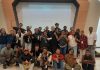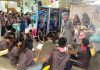
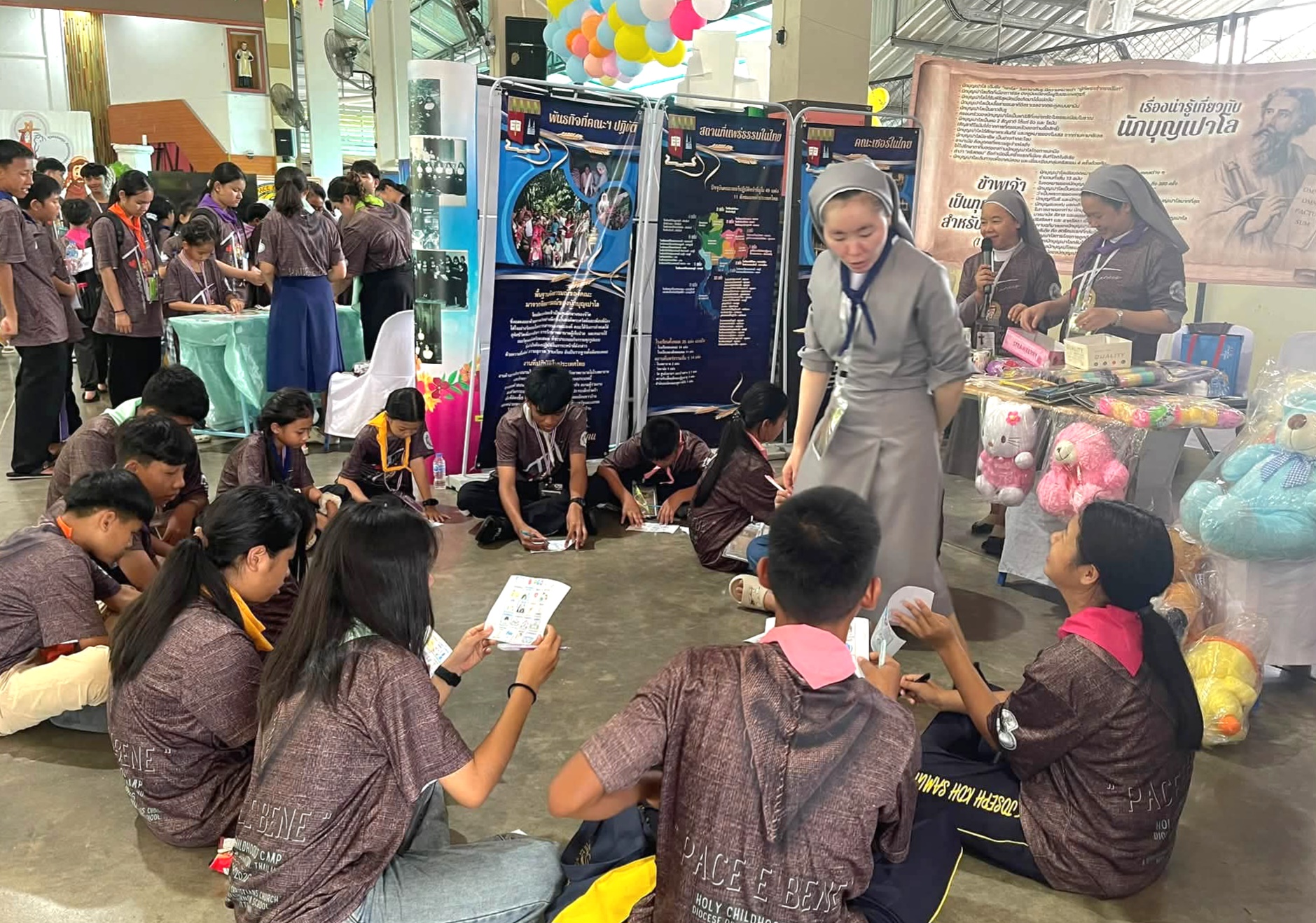
Children and youth in southern Thailand gathered from Oct. 6 to 9 for the Missionary Childhood Association Camp in the Diocese of Surat Thani, where they took part in spiritual formation activities inspired by the life and virtues of Saint Francis of Assisi.
Held under the theme “Heart of Francis” and anchored by the greeting “Peace be with you” from John 20:19, the camp guided participants through eight interactive learning stations focused on compassion, forgiveness, environmental stewardship, service, perseverance, generosity, action, and inner peace.
A Legacy Born from a Bishop’s Plea
The Missionary Childhood Association traces its roots to France in 1843, when Bishop Charles de Forbin-Janson founded the Holy Childhood Association in response to reports from missionaries in China about starving and abandoned babies.
Moved by the accounts, the bishop sought the counsel of Pauline Jaricot, a pioneer of mission fundraising, who emphasized the role children themselves could play in responding to the needs of other children.
Under the banner “Children Helping Children,” Bishop de Forbin-Janson encouraged young people in France to offer a daily Hail Mary and a small monthly coin.
The initiative later developed into a global movement present in 120 countries.
Opening Liturgy: Listening Through the Noise
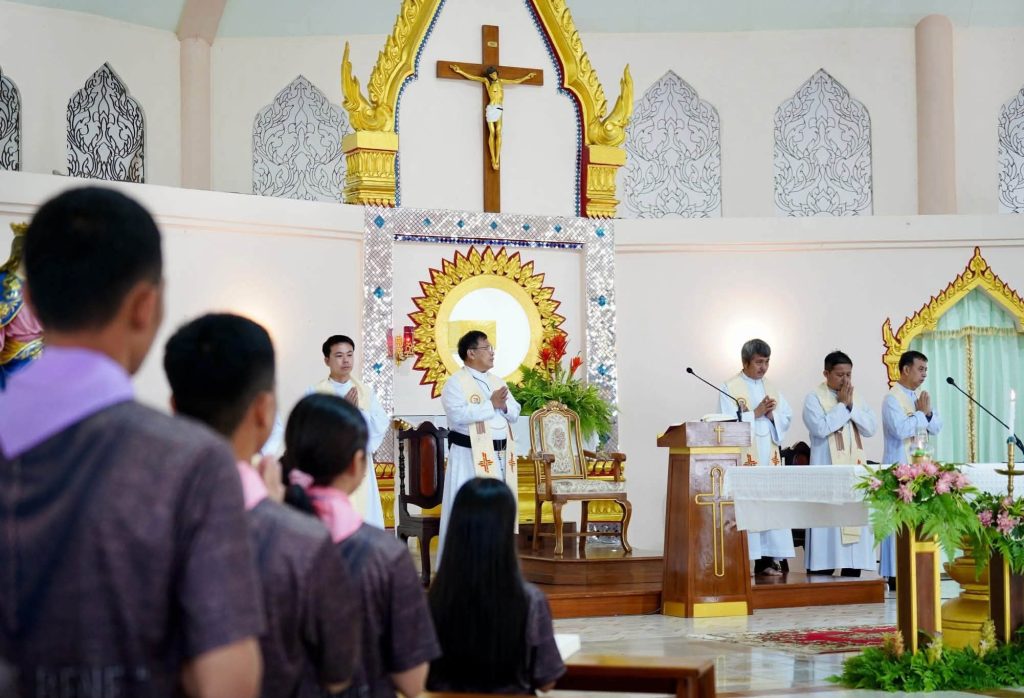
The gathering opened at Mary Help of Christians Hall at Upatham Wittaya Phanom School in Surat Thani province.
Fr. Sitthichok Saewaengkan, the bishop’s assistant for evangelization, presided over the opening liturgy, which included a period of silence accompanied by the soft tapping of wood as a reference to restoration work.
Reflecting on the calling of Samuel in 1 Samuel 3:1-10, Fr. Sitthichok encouraged participants to listen for God amid the noise around them.
“God has a secret message for everyone. However, we must quiet the surrounding noise to listen with our hearts,” he said.
Participants were also encouraged to understand “repair work” not simply as physical construction but as the mending of relationships and words.
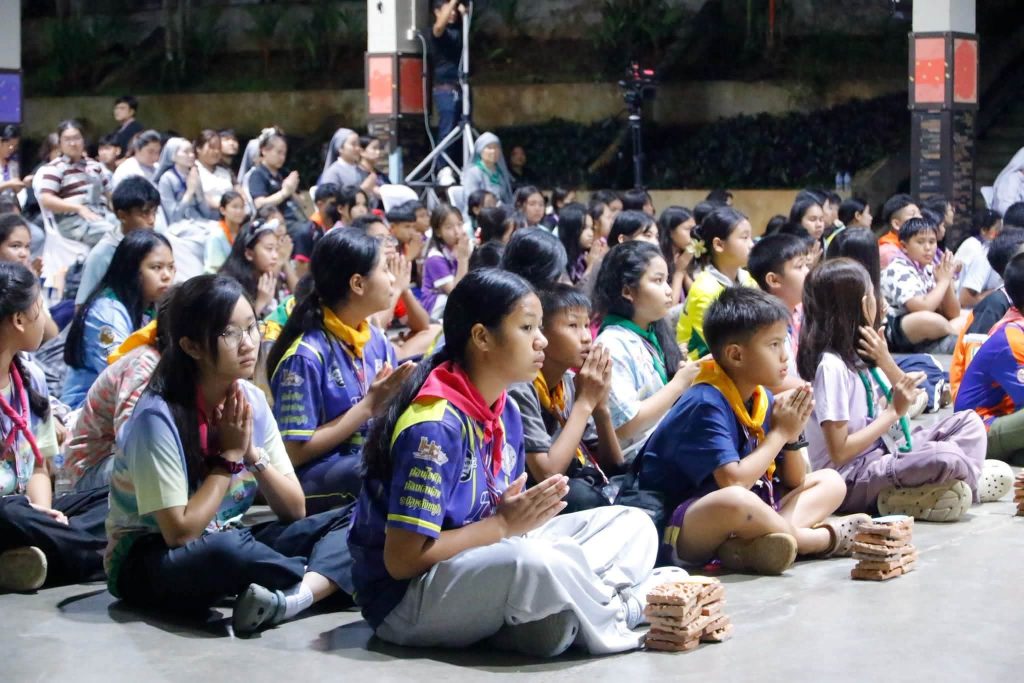
As part of the “Bricks of Listening” activity, they placed their written personal intentions at the foot of the San Damiano Cross.
Journeying Through Eight Interactive Stations
At the first station, participants learned about self-mastery and compassion by reflecting on overcoming fear, rejecting bullying, and reaching out to lepers.
The second station focused on building bridges and offering forgiveness through the stories of the Wolf of Gubbio and Saint Francis’ meeting with the Sultan.
At the third station, participants reflected on environmental stewardship and gratitude through the Canticle of the Creatures.
The fourth station centered on humility and community service, drawing inspiration from the first Nativity scene at Greccio.
At the fifth station, participants reflected on perseverance and faithfulness, viewing the hardships of doing good as “wounds of love” in reference to the Sacred Stigmata.
The sixth station focused on contentment and generosity through reflections on non-attachment.
At the seventh station, the San Damiano Cross was used to encourage participants to take constructive action rather than run away from problems.
The eighth station invited the children to calm their minds, cultivate inner peace, and listen to God’s voice.
As the camp entered its second day, Fr. Viroj Lertthanongsak, parish priest of Mary Help of Christians Church, presided over Mass and reflected on how the Franciscan spirit could be lived in ordinary life.
He encouraged the children, regardless of religious background, to turn to Mother Mary as an intercessor and stressed that being a “Little Missionary” does not require traveling across oceans.
Instead, he emphasized three simple steps in everyday life: being observant of those in need, approaching others to lend a helping hand, and bringing peace through smiles and forgiveness.
Through prayer, fellowship, and interactive learning, the camp sought to help young participants understand missionary life as something that can begin in their daily relationships and communities.