
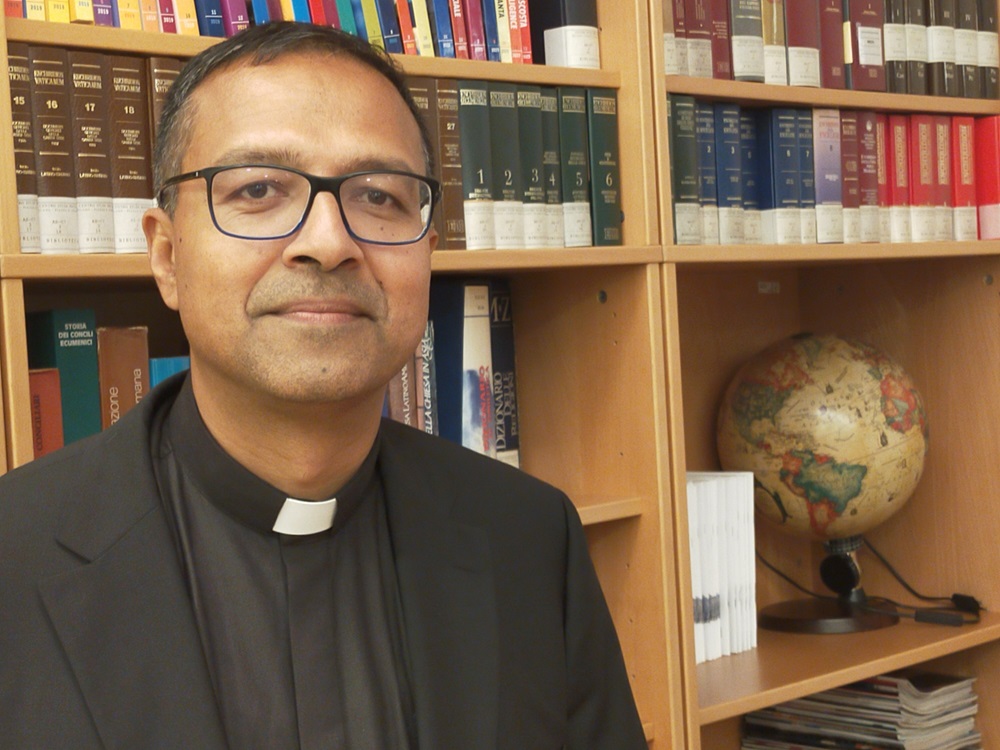
Indian Jesuit astrophysicist Fr. Richard Anthony D’Souza, S.J., has been appointed director of the Vatican Observatory, becoming the first Asian to head the Holy See’s astronomical research institution.
Pope Leo XIV confirmed the appointment on July 31, the feast of St. Ignatius of Loyola, finalizing a succession process initiated under Pope Francis.
Fr. D’Souza will replace Br. Guy Consolmagno, S.J., whose 10-year term ends on September 19.
“I am delighted that His Holiness has chosen Fr. D’Souza,” said Br. Consolmagno, adding, “I know that he has the vision and wisdom to carry the Observatory forward during this time of rapid change in astronomical research.”
Born in Goa in 1978, Fr. D’Souza joined the Jesuits in 1996 and was ordained in 2011.
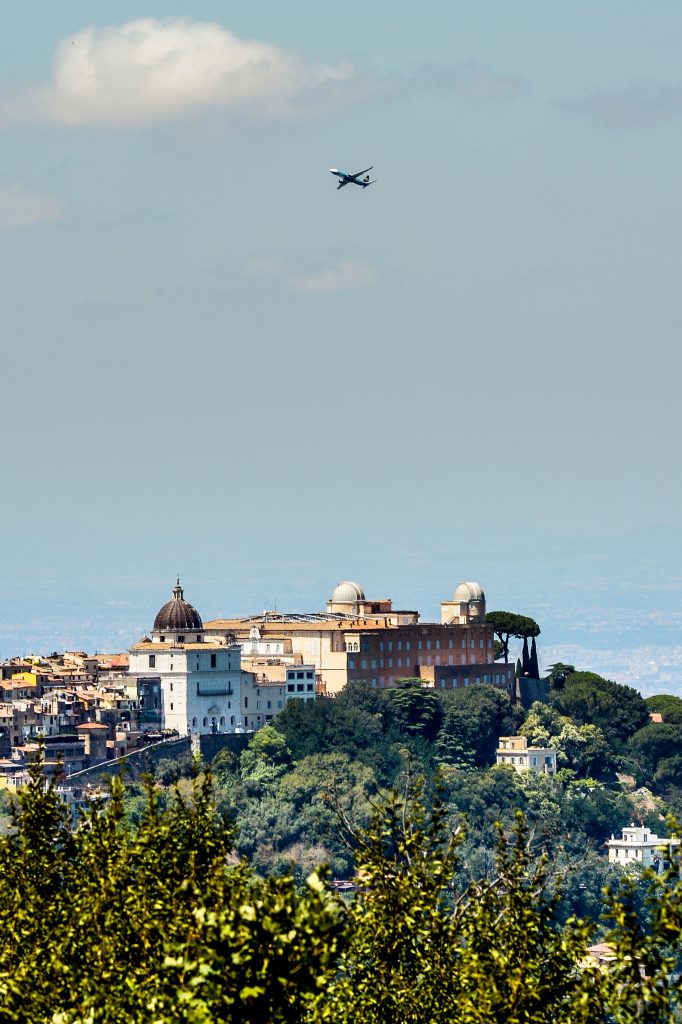
He holds degrees in physics from St. Xavier’s College in Mumbai and the University of Heidelberg, a doctorate in astronomy from Ludwig Maximilian University of Munich, and completed post-doctoral research at the University of Michigan.
He joined the Vatican Observatory in 2016 and has led its Jesuit community since 2022.
Fr. D’Souza’s research focuses on galaxy formation and mergers. “I’m essentially a stellar archaeologist,” he told AsiaNews.
“I study how they were born and how they change over time, through clues that reveal phenomena that occurred billions of years ago,” he said.
Reflecting on the Observatory’s mission, Fr. D’Souza emphasized that its work focuses on studying the universe itself, adding that deeper understanding of creation reveals its profound complexity and beauty.
The priest believes that future discoveries could reshape the dialogue between science and faith, expressing confidence that within two decades scientists may find evidence of elementary life forms beyond the solar system, with the potential for such life to evolve into intelligent beings.
The Vatican described the appointment as “an important moment of continuity and renewal,” citing Pope Leo XIII’s 1891 statement that “the Church and her Pastors are not opposed to true and solid science… but that they embrace it, encourage it, and promote it with the fullest possible dedication.”









