Archbishop Linus Neli of Imphal has warned that the recent visit of India’s Prime Minister to Manipur did not confront the root causes of the state’s long-running ethnic conflict.
Prime Minister Narendra Modi’s visit to Manipur focused on pledges of peace and development, with the announcement of an economic aid package and an emphasis on the state’s integrity and national unity, the prelate told Vatican’s Fides News Agency.
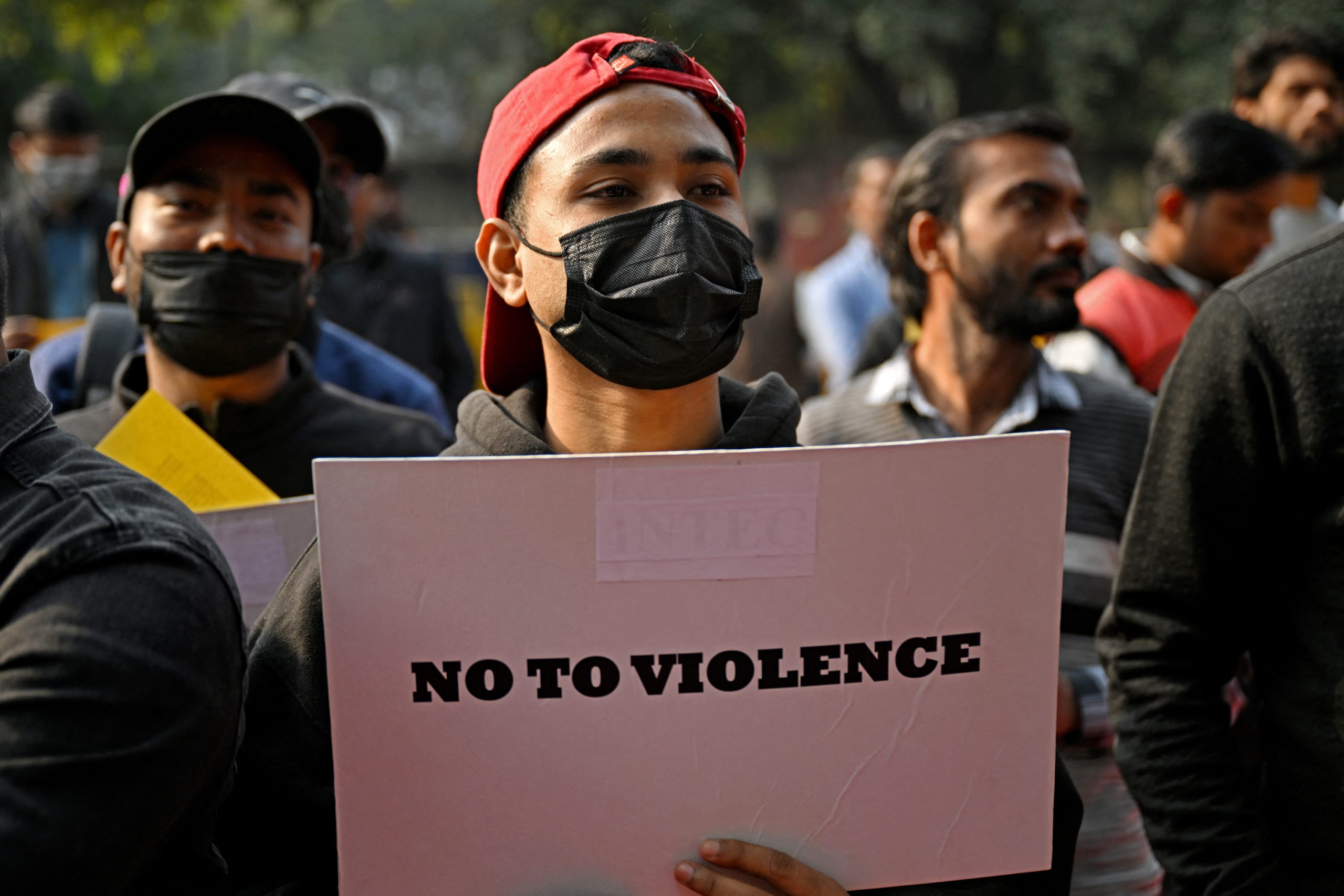
“However, his visit failed to address the sore point and the crucial problem: the population of Manipur is divided by the conflict and has been living in separate areas for two years. Over 50,000 people from the Kuki and Meitei ethnic groups are suffering in refugee camps,” said Archbishop Neli.
The prelate stressed that the solution to the crisis in Manipur “can only come from a process of healing and reconciliation and must be considered in the medium to long term.”
The archbishop said that while the prime minister spoke separately to the two groups and “primarily [promised] economic prosperity and bringing a package of economic aid,” he “did not address the relationship between the warring groups, the hatred, the urgency of restoring internal and communal peace.”
He observed that the uneasy calm in Manipur rests largely on the presence of the military, which separates the warring communities, controls the territory, and provides security to prevent fresh outbreaks of violence.
“This is intended to prevent further unrest and violence, but it is not a solution. The situation on the ground is entrenched. And the wounds will remain if no one does anything to heal them,” he said.
The prelate emphasized that resolving the conflict would require genuine political will to push forward a reconciliation process and rebuild peaceful coexistence between the two groups.
“This requires the goodwill of both sides and also mediation by the political, state, and federal authorities. Reconciliation is possible if the issues at hand are addressed openly and according to criteria of fairness and justice, overcoming barriers and polarization: this is the task of good politics,” he said.
Despite the grim outlook, Archbishop Neli underlined that the Catholic Church continues to accompany both Kuki and Meitei communities.
The Church provides humanitarian aid in refugee camps, promotes intercultural and interreligious encounters, and seeks to act as a bridge to encourage healing and reconciliation.
The archbishop noted that the Church itself has been deeply affected by the violence, with three churches destroyed beyond use and two monasteries still under military occupation.
Access to these facilities remains restricted, leaving pastoral life disrupted and forcing the community to wait for conditions to improve.