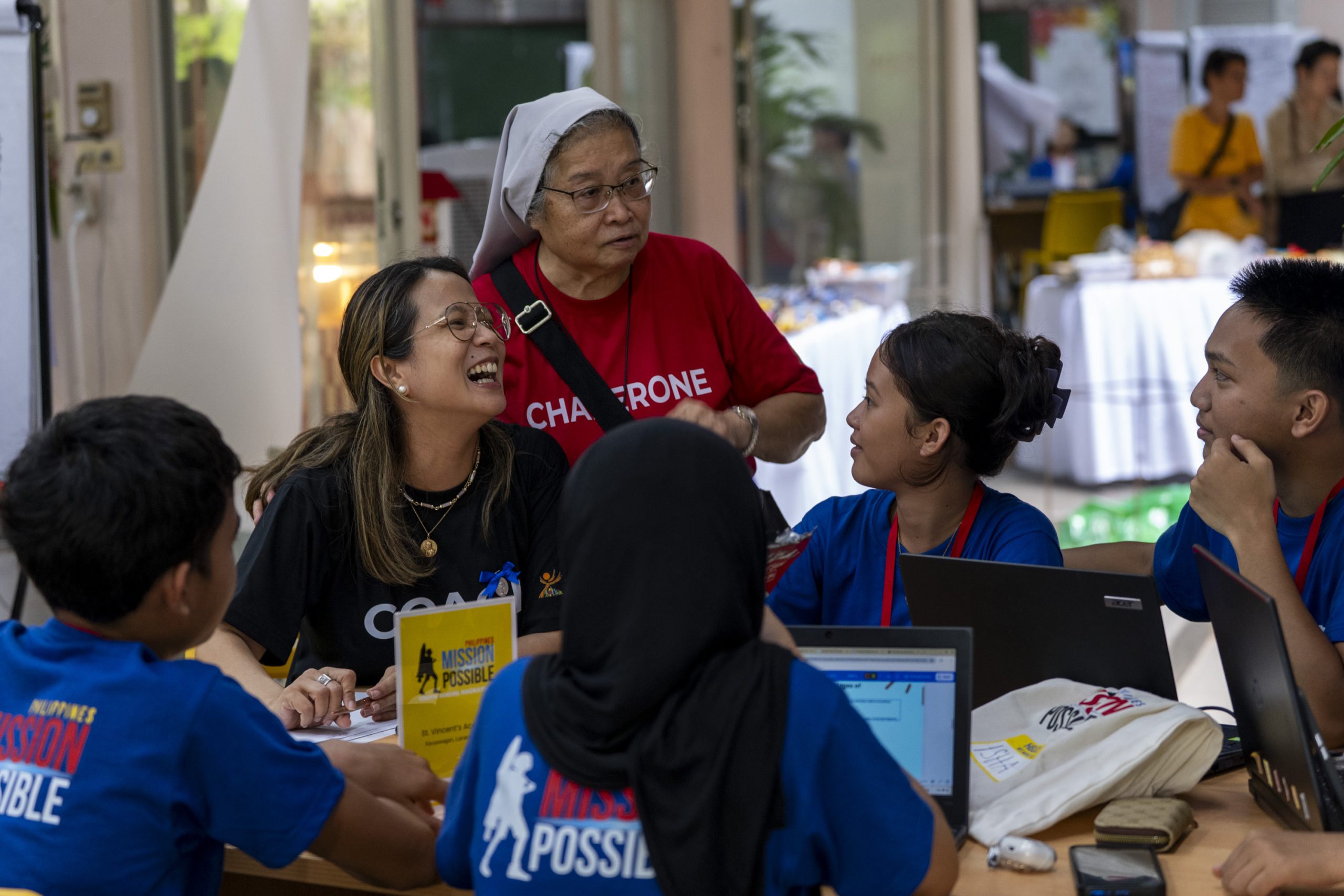
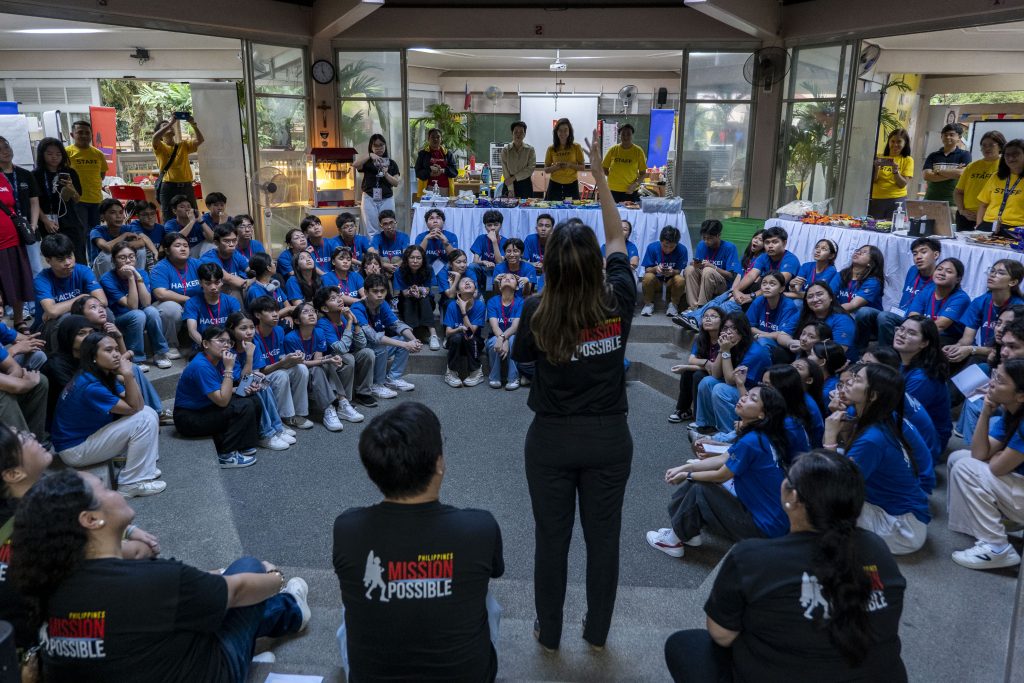
Inside a hall at Assumption Antipolo, the hum of conversation mingled with prayer as students searched for ways to turn compassion into action.
On the second day of the three-day youth social hackathon in the Philippines, young leaders from both large and small Catholic schools across the country reimagined what it means to serve.
The MISSION POSSIBLE Youth Social Hackathon was designed not as a contest but as a collective act of discernment and service.
Jointly organized by Assumption Antipolo and LiCAS.news, the hackathon gathered students from twelve Catholic schools to design faith-driven solutions to pressing social issues — from interreligious understanding in Mindanao to public safety and inclusion in cities.
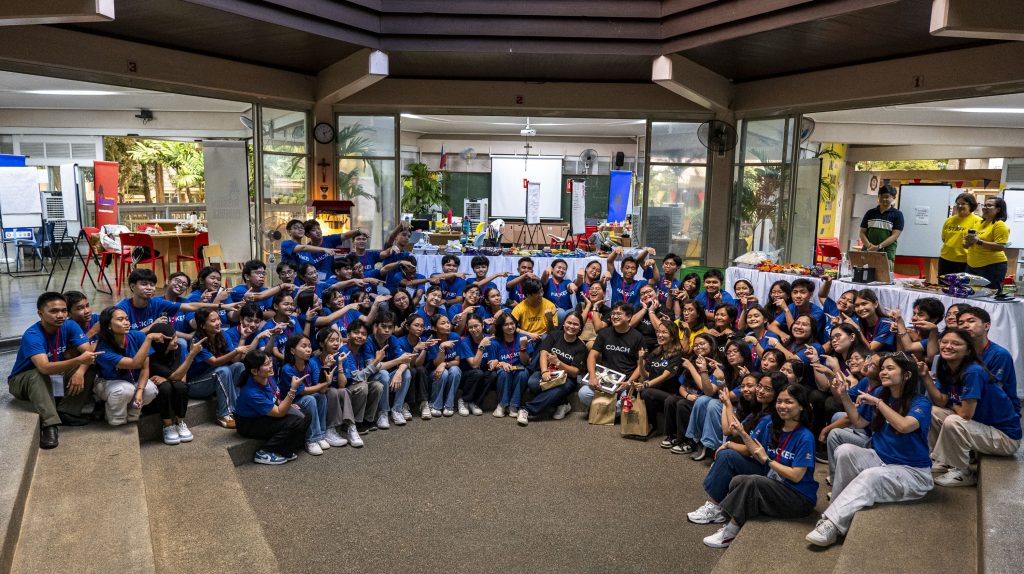
The MISSION POSSIBLE program was first launched in Thailand in 2024 as part of a regional effort to engage students in social innovation through faith and dialogue.
Its Philippine edition continues that spirit of synodality — encouraging young people to walk together in responding to the challenges of their communities.
It was, as organizers described, “a living expression of synodality” and “a laboratory of hope” where ideas met empathy and faith took form in action.
A journey of listening and learning
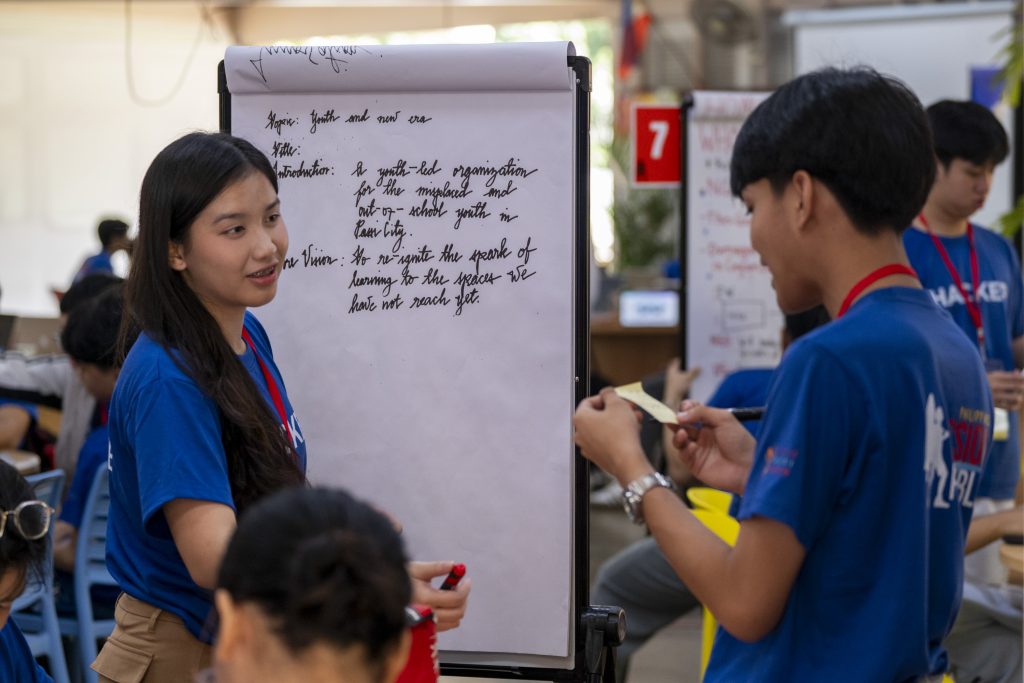
For 16-year-old Shan Tawantawan, a Muslim student from St. Vincent’s Academy in Kauswagan, Lanao del Norte, joining a Catholic-led hackathon was a leap of faith and friendship.
“We tried to represent something real — the gap between Maranao and Christian youth in our town,” she said. “In Mindanao, some Maranaos and Christians don’t get along, so we wanted to bridge that.”
Her team’s project centered on promoting dialogue among young people of different faiths — a vision inspired by her own community’s divisions and hopes.
“Being here, presenting our ideas, dancing our culture — it’s nerve-wracking,” Shan admitted, “but it’s also a chance to show that we can work together.”
Small schools, big voices
From the Visayas, Laem Eizen Señalista of Assumption Passi in Iloilo province described the experience as both humbling and transformative.
“We don’t really get opportunities like this often,” she said. “Coming from one of the smaller Assumption schools, being here is already something big for us. And being part of something that can make a real difference — it truly sets something within us.”
She noted that the event’s well-managed program and welcoming atmosphere helped students feel genuinely involved, allowing them to move beyond participation and embrace a shared sense of purpose for change.
Laem carried home a line she said will stay with her: “Everything starts with us. This is one of the stepping stones for our school, and it will inspire not only our community but others as well.”
Passion turned into action
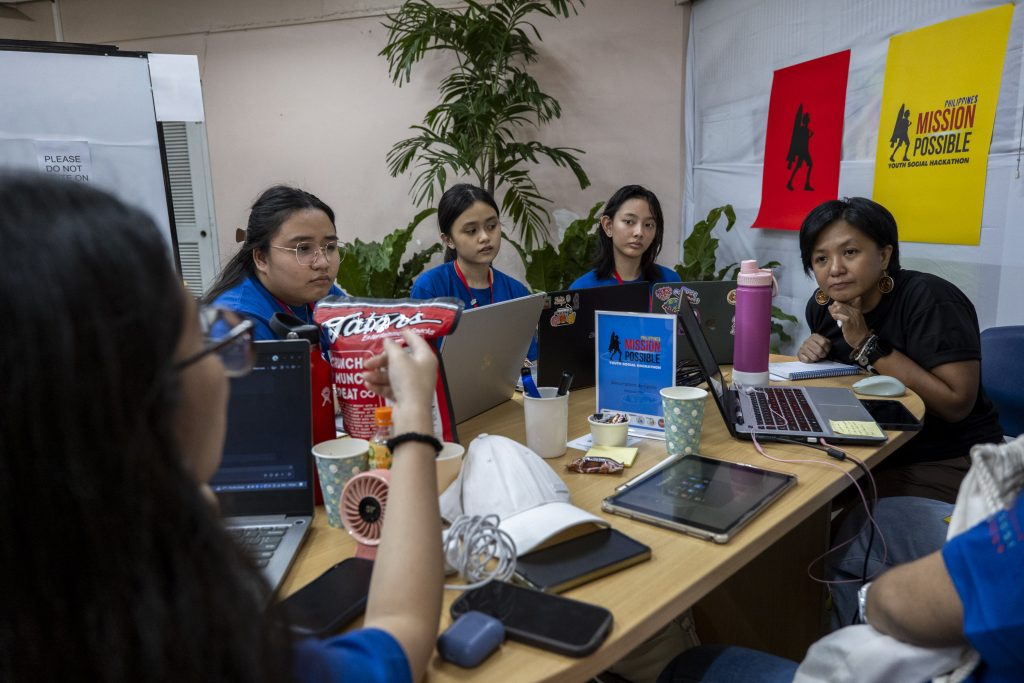
At Assumption Antipolo, student leader Gab Ecijan spoke of the hackathon as both a test of collaboration and conviction.
“For Day 2, we expected it to be difficult,” he said. “We didn’t expect everything to be perfect, but I can say we were very productive. Even though we had different ideas, our social issue really united us.”
Their project — focusing on accessibility and safety in public transportation — reflected a shared concern for everyday commuters and the importance of public welfare.
“Passion turns everything that you believe in into action,” Gab said. “That’s what helped us stay centered as a group.”
Andi Cosgayon, Gab’s groupmate, said MISSION POSSIBLE wasn’t about academic performance. “It’s not about the size of the project,” she said. “It’s about keeping the objective alive. We were chosen for a reason. We’re not quitters — we’re leaders.”
Meanwhile, Kyla Rolle, a student leader from the same group, emphasized the unity behind their advocacy. “We come from different leadership backgrounds, but we all connect for the same purpose — to serve the community and advance our advocacies,” she said.
“Even if it doesn’t happen right here, right now, we’ll still try to make it real through our different paths,” she said. Kyla added that the hackathon taught her that social change is not defined by funding or recognition but by consistency and courage.
Next generation of servant-leaders
On the second day of collaboration, reflection, and shared meals, the students discovered that innovation is not born from competition but from compassion — a living experience of synodality, of walking together in faith and purpose.
They came from different islands, faiths, and school sizes, yet shared one conviction: that leadership means service, and hope must be lived.
As one of the speakers reminded them, “Everything starts with us.” For these young “hackers,” MISSION POSSIBLE was not simply an event; it was a formation in listening, discernment, and solidarity — echoing the Church’s call to walk together as missionaries of hope.
All photos by Mark Saludes/LiCAS News