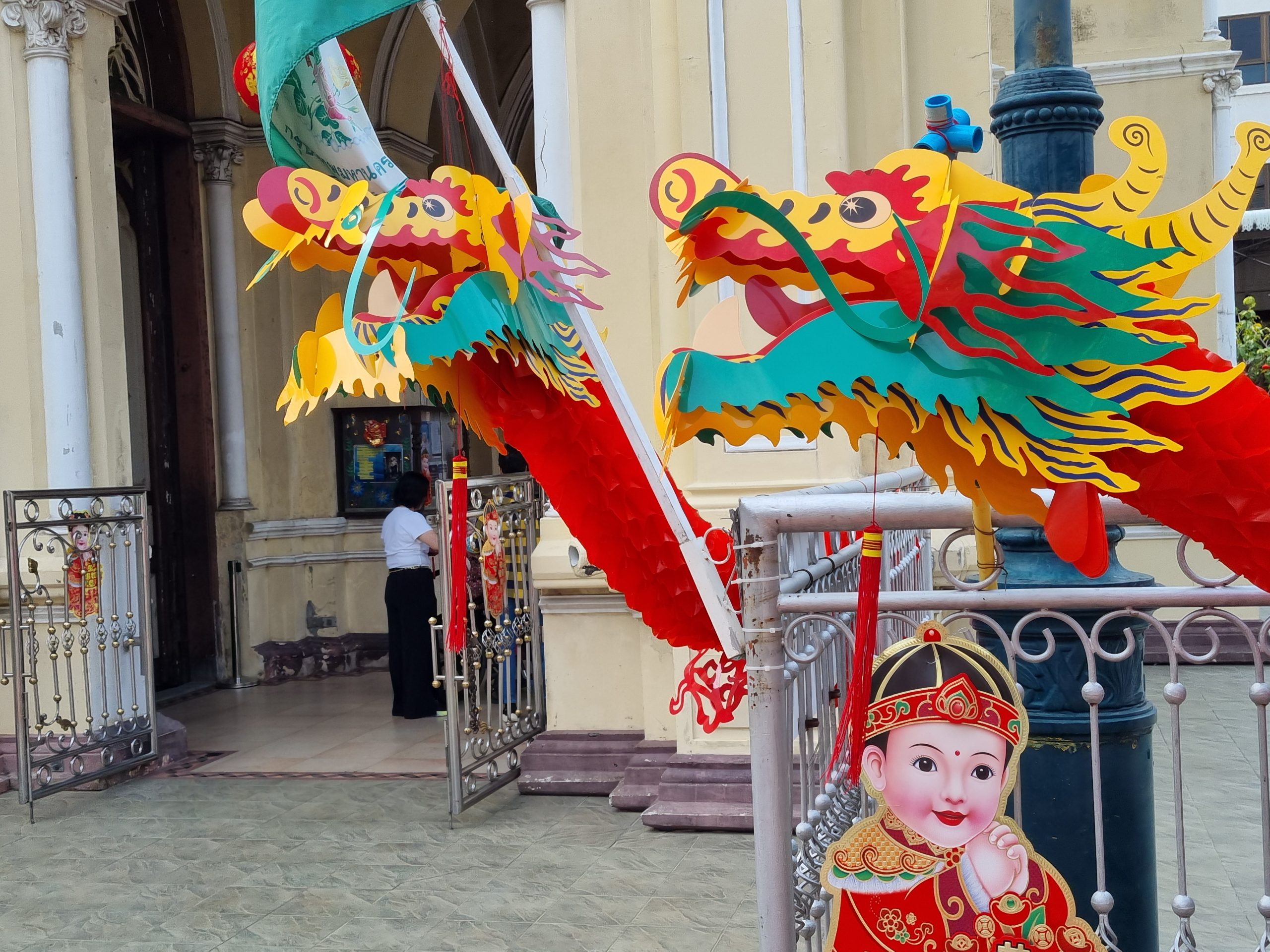
The Catholic Church in Thailand is urging the faithful to celebrate Lunar New Year traditions in ways that affirm both ancestral heritage and Christian teaching.
Across Asia, Catholic communities are increasingly framing the festival not simply as a cultural observance but as a pastoral opportunity – one that allows local traditions centered on family, remembrance, and renewal to be lived in communion with the Gospel.
Church leaders say this approach reflects a longstanding commitment to inculturation, where faith takes root within the rhythms of Asian life without compromising doctrine.
A similar and deeply significant celebration takes place in Vietnam, where Tết Nguyên Đán, commonly known as Tet, marks the Lunar New Year with an emphasis on family reunion, remembrance of ancestors, and prayers for blessings in the coming year.
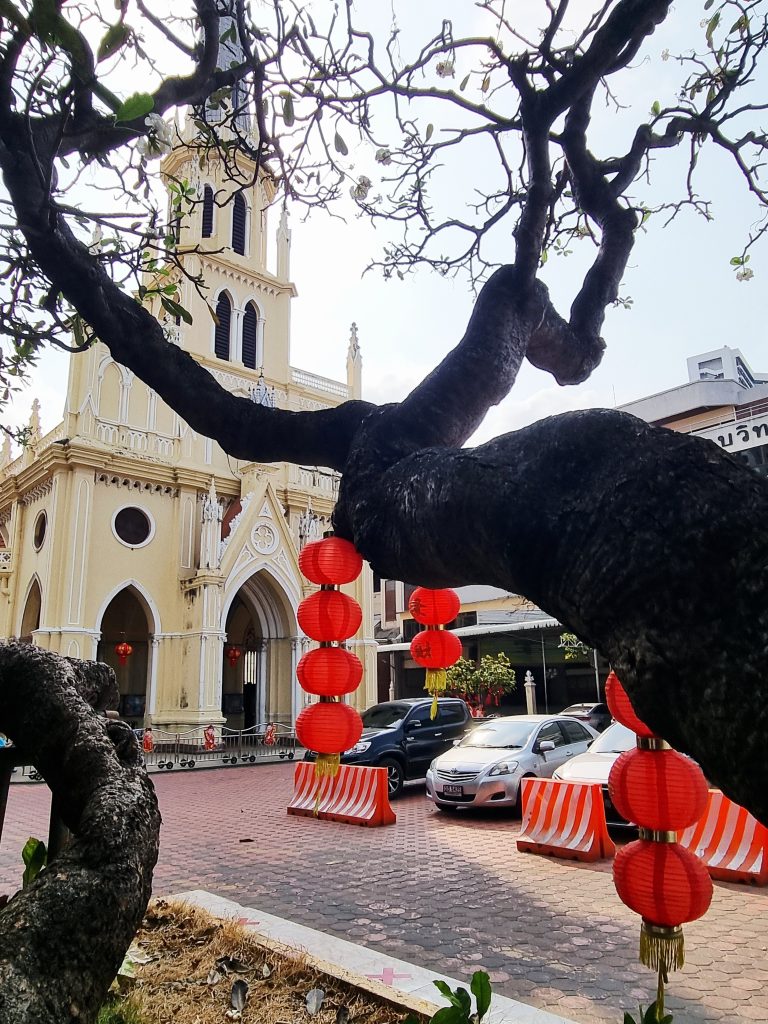
“In Thailand, in parishes with large Chinese-speaking communities, the Lunar New Year is an opportunity to deepen family bonds and pray for the year ahead,” Fr. Peter Piyachart Makornkharnp, pastor of Holy Rosary Church in Bangkok, told LiCAS News on February 15.
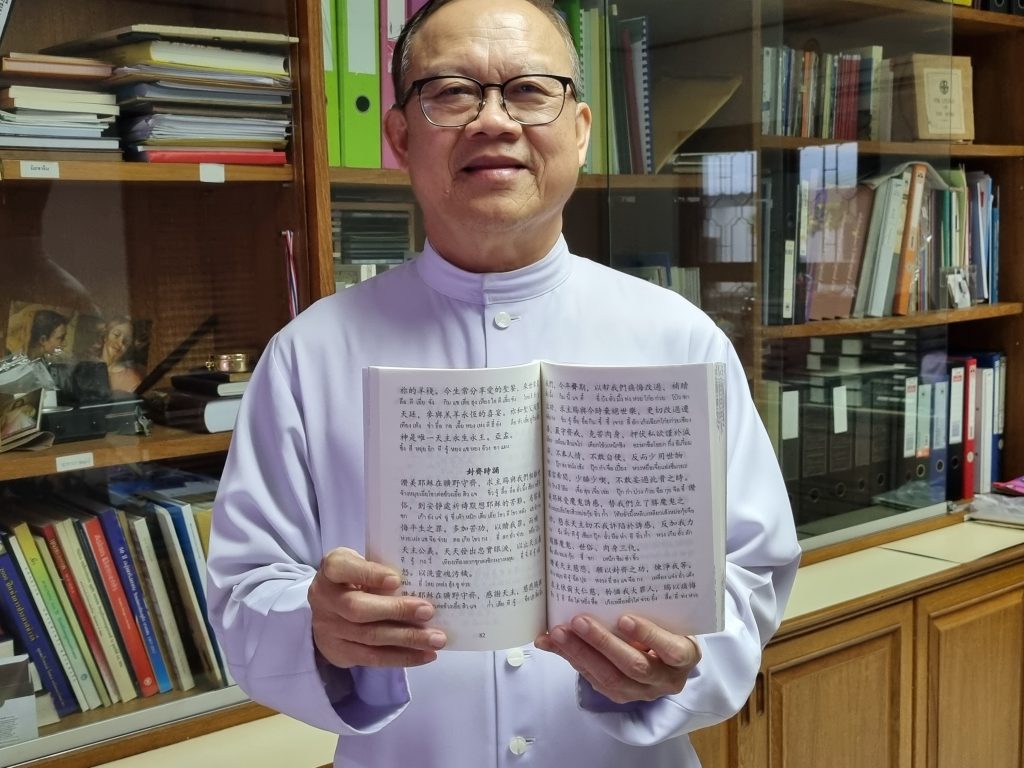
At Holy Rosary, the only parish in the country where the “Magisterium Anchor” is firmly planted within a community of Chinese descent, the 10:00 a.m. Sunday Mass is regularly celebrated in Chinese.
Each year, the parish marks the occasion with a special Thanksgiving Mass.
“Chinese Lunar New Year Masses have been a tradition for a long time,” Fr. Piyachart said. “It is a secular celebration, and what better way to begin it than with a Holy Mass asking for God’s blessing?”
Fr. Piyachart explained that while cultural customs fostering social harmony are welcomed, rituals rooted in superstition are discouraged.
Practices such as fortune-telling or the worship of idols are seen as inconsistent with a faith that holds all blessings as coming from God alone.
However, the honoring of elders and ancestors – the heartbeat of the festival – is recognized as an expression of filial piety, a value deeply embedded in both Asian and Christian traditions.
“For many Catholic families of Chinese heritage, it becomes a beautiful blending of faith and culture,” Mary Pornsiri, a Thai-Chinese Catholic, shared with LiCAS News. “Many families now include holy cards in red envelopes (ang pao) alongside monetary gifts as a reminder of the ultimate Source of our providence.”
At Holy Rosary, this blending is tangible.
“At the conclusion of the Thanksgiving Mass, we distribute traditional ang pao to all,” Fr. Piyachart added with a smile. “This gesture serves to tether the joyful hope of the new year to the communal charity of the Church.”
Celebration Amid the Lenten Journey
This year, the festive season overlaps with the start of Lent, creating a unique intersection of celebration and penitence.
Fr. Peter Chettha Chaiyadej, vice rector of Lux Mundi College and an official of the Bishops’ Commission for Liturgy, explained that the two can coexist meaningfully.
“The festival atmosphere highlights reconciliation and reunion,” Fr. Chettha said. “For Christians, it becomes an opportunity to return home – not only to loved ones, but spiritually to God.”
He noted that many traditional activities are easily adapted:
- Mass for the Deceased: Families gather to pray for ancestors and visit cemeteries.
- Renewal: Cleaning the home symbolizes a spiritual “spring cleaning” of the heart.
- Communion: Sharing festive meals strengthens the “integral ecology” of the family unit.
Ultimately, the Church’s openness toward cultural celebrations – rooted in decades of Vatican decree – allows the faith to flourish within local cultures without compromise.
As one priest summarized, any celebration motivated by love and gratitude leads believers closer to the Creator.
In parishes across Thailand and parts of Asia, the Lunar New Year is being marked with Masses, family gatherings, and prayers for blessings in the year ahead.