Thailand is facing renewed scrutiny over its treatment of refugees ahead of a United Nations review of its human rights record, with Fortify Rights documenting cases of arbitrary detention, forced returns, and alleged abuses involving refugees and asylum seekers.
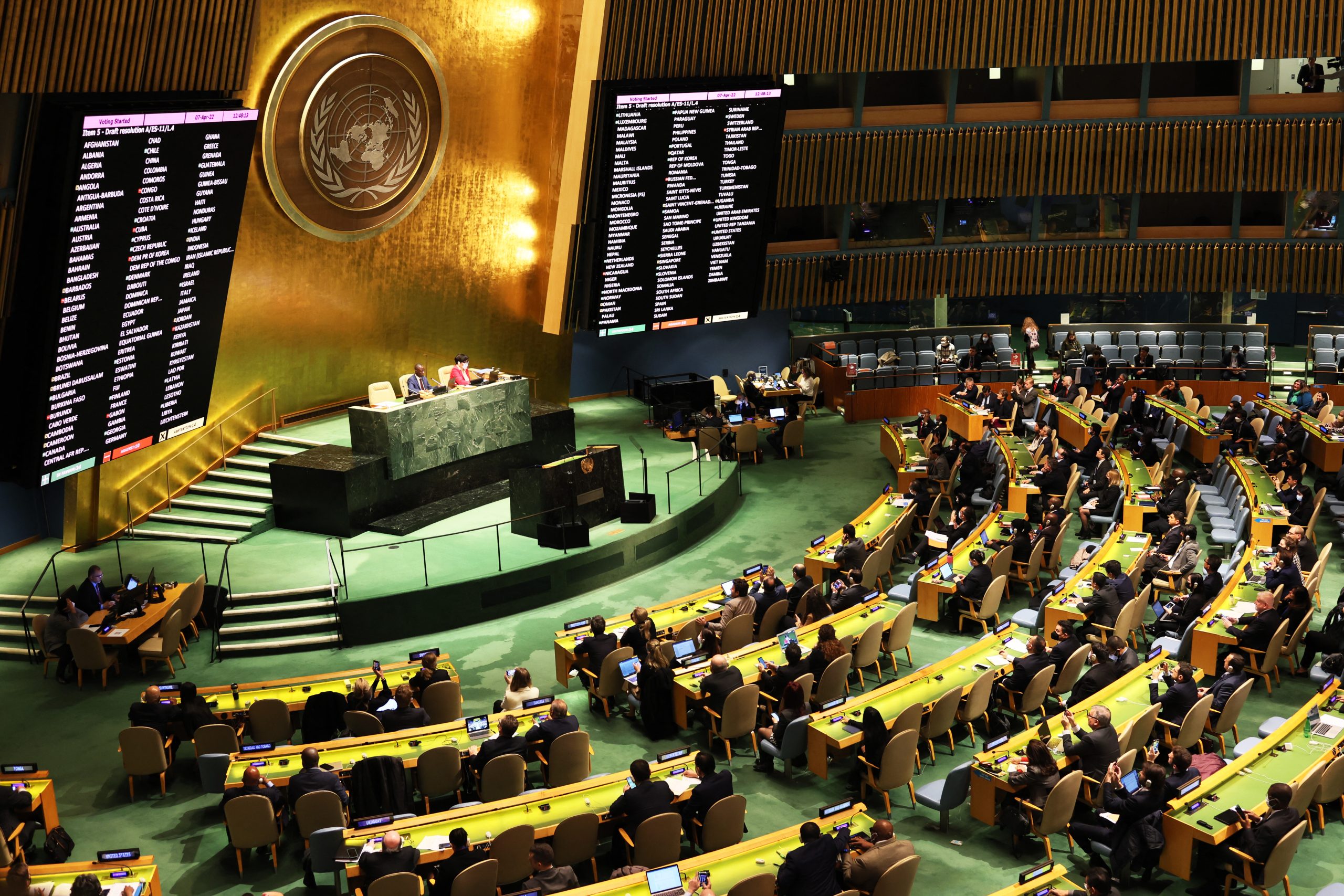
The rights group released its findings June 11 as Thailand prepares for its fourth Universal Periodic Review (UPR) before the U.N. Human Rights Council in November. The review will assess the country’s human rights record since late 2021.
In a stakeholder submission filed with the council on April 17, Fortify Rights cited research conducted between 2022 and 2026 in Tak, Ranong, and Chiang Mai provinces, as well as Bangkok.
The submission details what the organization described as continued arbitrary arrests and detention of refugees, the forced return of refugees to Myanmar and China, and the alleged involvement of Thai soldiers in the torture and death of a Myanmar national.
“Thailand’s role as a member of the Human Rights Council carries a heightened obligation to take concrete actions to uphold human rights, including for its sizable refugee population,” said Thanida Piyachot, human rights specialist at Fortify Rights. “This UPR will serve as a critical test of whether Thailand has genuinely fulfilled its commitments.”
A key concern raised in the submission is Thailand’s National Screening Mechanism, introduced to identify people in need of international protection and provide them legal status and access to public services.
According to Fortify Rights, only seven people were granted protection under the mechanism in the year after it was launched in 2023. The group said the system excludes some vulnerable populations, including Rohingya refugees and Myanmar nationals with migrant worker status.
The report highlighted the case of six unaccompanied Rohingya children, ages 14 to 17, who were arrested in Chiang Mai in December 2024 after fleeing Myanmar’s Rakhine State. A court convicted them of illegal entry and ordered their deportation.
Following advocacy efforts by Fortify Rights and intervention by a Thai Senate committee, the children were transferred to a government-run care facility. On March 21, 2025, all six disappeared from the facility. Their whereabouts remain unknown.
Fortify Rights also challenged Thailand’s stated adherence to the principle of non-refoulement, which prohibits returning individuals to places where they face persecution, torture or other serious harm.
The organization documented the return of more than 650 refugees across the Moei River into an active conflict area in Myanmar’s Karen State in April 2024. It also reported that Thai authorities forcibly returned about 3,500 Myanmar nationals through the Ranong-Kawthaung border crossing between February 2024 and November 2025.
Some of those returned were reportedly conscripted into military service at gunpoint, according to the submission.
The report further cited Thailand’s return of approximately 40 Uyghur refugees to China on Feb. 27, 2025. The refugees had spent more than a decade in Thai immigration detention.
Fortify Rights also pointed to findings in its report Death at the Thai-Myanmar Border, which documented the alleged involvement of Thai soldiers in the torture and death of Aung Ko Ko, a 37-year-old Myanmar national detained in Mae Sot district in January 2024.
The organization said no Thai Army soldier has been charged in connection with the case.
Thailand’s review comes as conflict in neighboring Myanmar continues to drive displacement across the region. Since the military seized power in February 2021, more than three million civilians have been displaced, according to figures cited by Fortify Rights. Tens of thousands have fled to Thailand seeking protection.
“Four and a half years into the UPR cycle, despite Thailand’s commitments, refugees continue to face severe violations,” Piyachot said. “U.N. Human Rights Council member states should use this review to hold Thailand accountable to its commitments to protect refugees.”