Thailand’s private education sector is bracing for a wave of school closures ahead of the new academic year, with up to 80 institutions expected to shut down nationwide, exposing mounting financial strain and shifting enrollment patterns.
While Catholic schools have largely avoided closures so far, Church educators warn that falling enrollment in several regions is beginning to strain smaller institutions, raising concerns about long-term sustainability and access to education for vulnerable communities.
“Not many Catholic schools are closing down,” said Fr. Paul Eakarat Homprathum, secretary general of the Catholic Education Council of Thailand (CECT). “However, in some regions, enrollment has dropped significantly this year, increasing the need for subsidies from the Church to sustain smaller schools.”
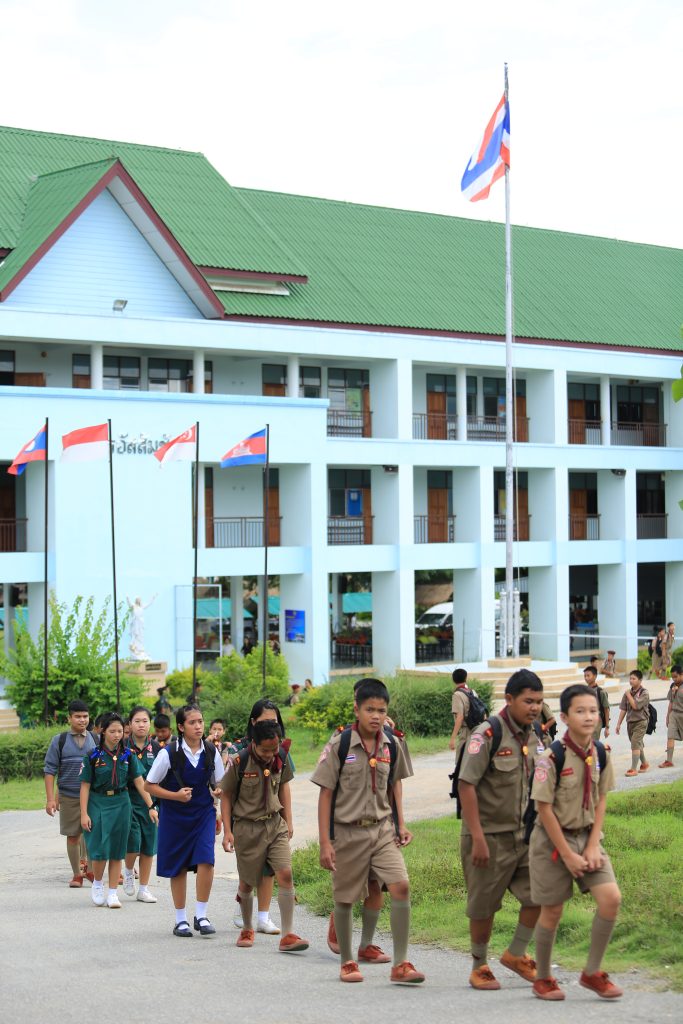
Photo by LiCAS News
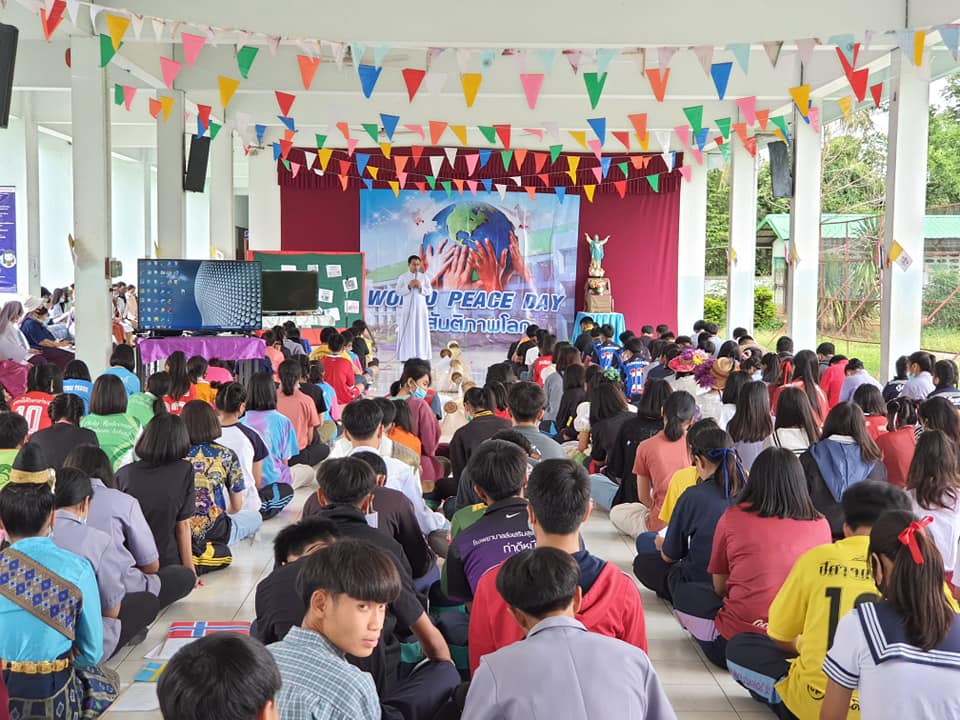
According to the CECT, Thailand is home to 378 Catholic schools serving more than 460,000 students.
Beyond these are dozens of small, often overlooked institutions operating in impoverished communities, providing education to disadvantaged children, including those with disabilities, as well as Indigenous and ethnic minority groups.
“These small schools are not profit-driven,” Fr. Eakarat explained. “They exist to proclaim the Good News and to promote the integral development of children, helping them build a better quality of life.”
Spread across 11 dioceses, more than 70 such schools form a vital part of the Church’s educational mission in Thailand.
Rooted in Gospel values, Catholic education seeks not only academic excellence but also the formation of the whole person—intellectually, morally, and spiritually—especially among the most vulnerable.
Mounting Pressures Across the Sector
The broader private education sector, however, is under increasing strain.
Supaset Khanakul, president of the Association Board of Coordination and Promotion of Private Education, recently said closures have risen sharply compared to previous years.
“In Bangkok alone, several institutions have already been forced to cease operations,” he said during a recent press conference.
Among the key drivers are rising operational costs, particularly fuel prices affecting transportation, combined with declining student enrollment. Schools are also grappling with higher expenses due to government-mandated salary adjustments, increased labor and utility costs, and additional health and safety requirements.
At the same time, many parents facing economic hardship have struggled to keep up with tuition payments, creating liquidity challenges for school administrations.
Public schools have further intensified competition by expanding class sizes and maintaining open admissions policies, drawing students away from private institutions.
Meanwhile, the rapid growth of international schools and special programs within state schools, often offered at competitive fees, has reshaped parental preferences.
Supaset also highlighted structural factors, including soaring land values in urban centers and regulatory limitations, which make alternative commercial use of school properties increasingly attractive to owners.
“There’s no denying that private schools operate as businesses,” he said. “But they also provide an important alternative to the public system, often offering specialized programs and activities not available elsewhere.”
Education advocates are now calling on the government to address disparities in funding between public and private schools.
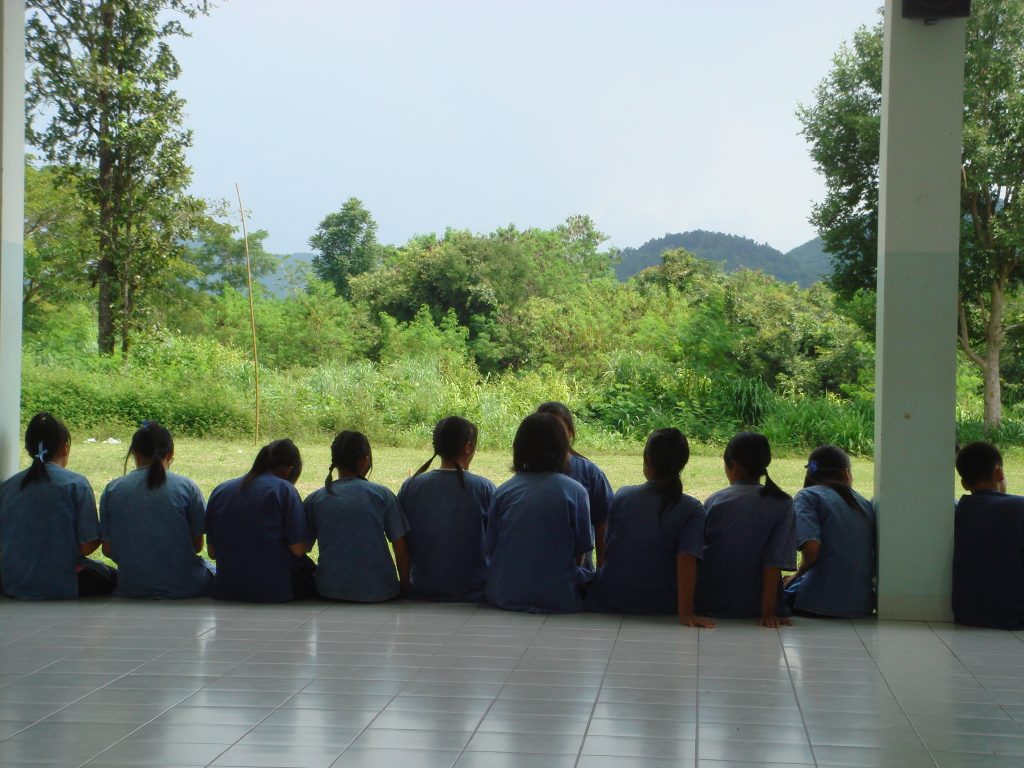
Photo by LiCAS News
A Sector in Transition
Over the past year, an increasing number of private schools have announced their closure, some quietly, others with emotional farewell messages marking the end of decades of service.
For many communities, these closures represent more than the loss of educational institutions; they signal the erosion of local support systems and long-standing traditions.
For Catholic educators, the current crisis underscores both vulnerability and mission. While financial sustainability remains a concern, Church leaders reaffirm their commitment to education as a ministry, particularly for the poor and marginalized.
As Thailand’s education landscape continues to evolve, the challenge will be to balance economic realities with the enduring goal of ensuring that no child is left without access to quality, values-based education.