
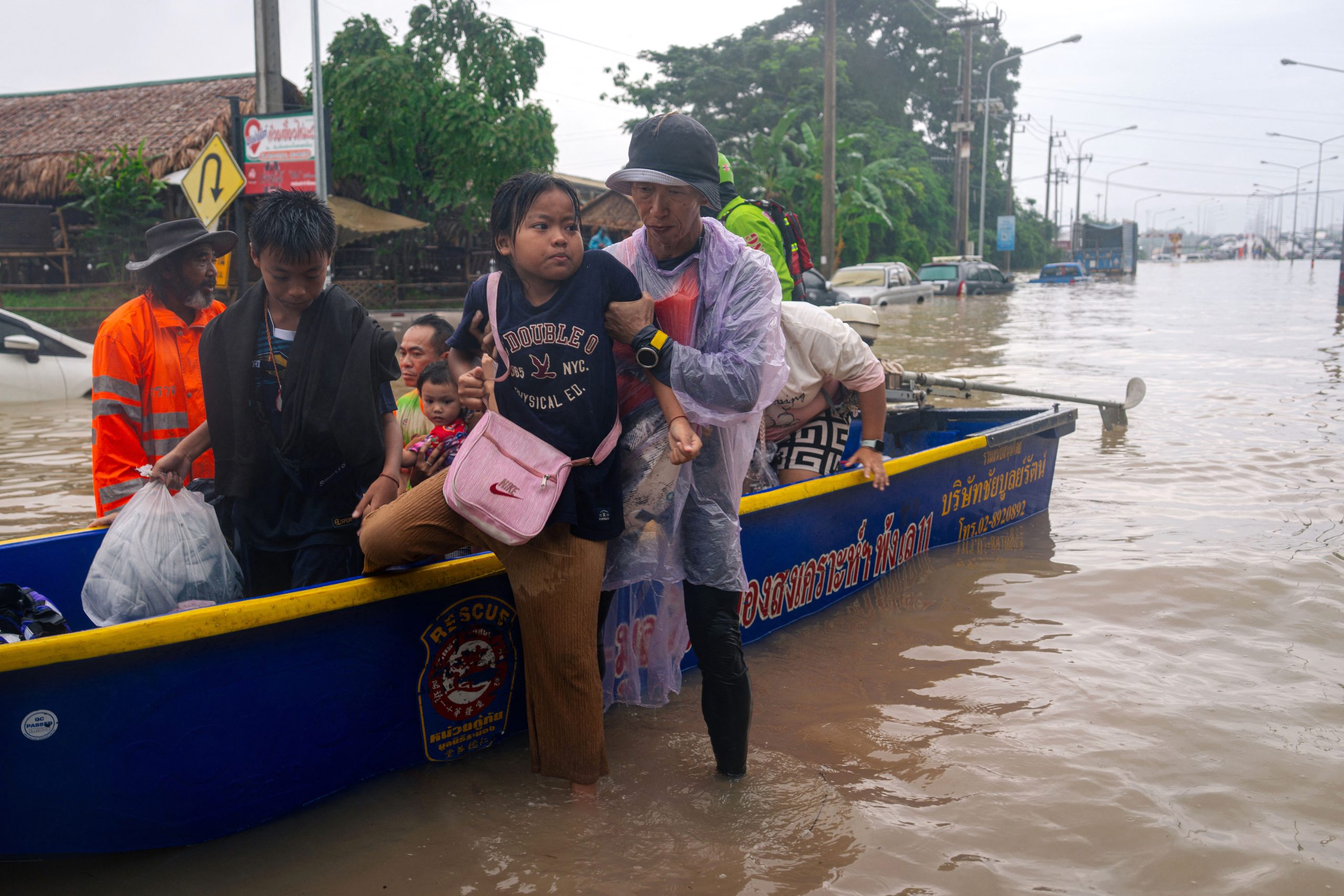
The Catholic Church in southern Thailand is transitioning from emergency response to long-term recovery as it continues to accompany communities devastated by the worst flooding in decades, with a renewed focus on restoring children’s health and livelihoods.
On April 21, Bishop Paul Trairong Multri of Surat Thani convened a virtual progress meeting with clergy and members of the Southern Flood Relief Task Force to review ongoing rehabilitation efforts following the catastrophic floods of November 2025.
Central to the Church’s current mission is a project titled “Promoting Nutritional Health and Sustainable Food Production,” aimed at improving the well-being of students in eight small schools across Songkhla province.
Funded with support from Rome, the initiative is being implemented by the Catholic Foundation of Surat Thani through its Social Development Center and the Seafarers’ Pastoral Care Center in Songkhla.
From emergency relief to rebuilding lives
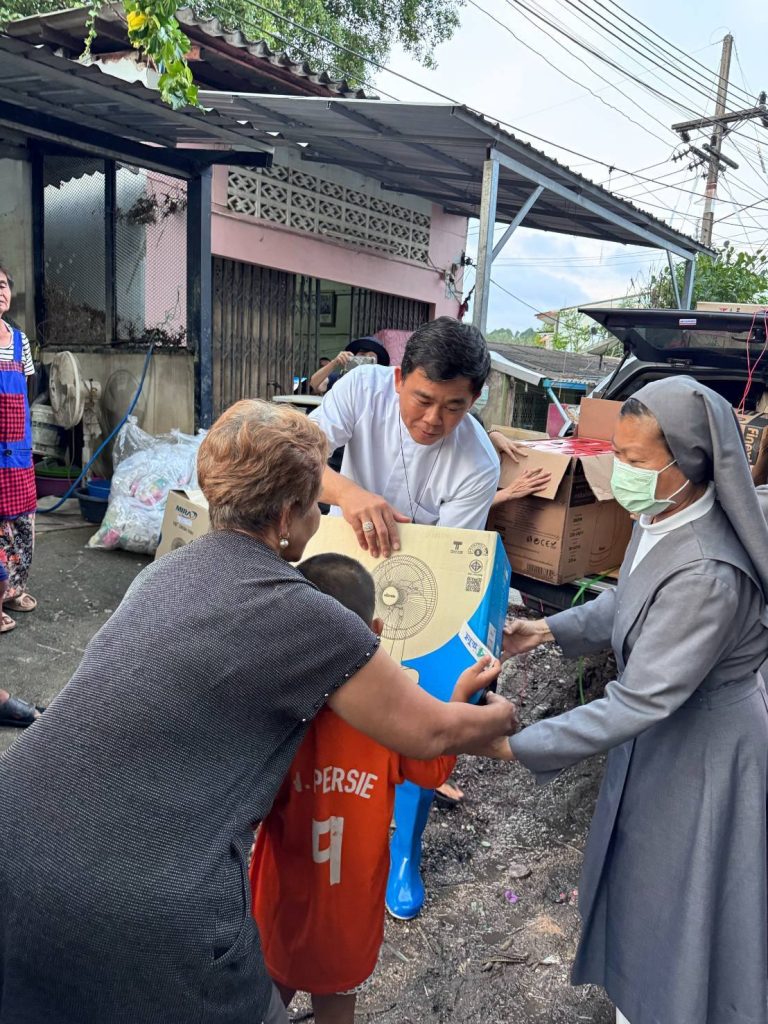
Photo credit: Diocese of Surat Thani
Nearly four months after torrential rains submerged large parts of southern Thailand, the scars of the disaster remain visible.
In Hat Yai, a major commercial and transport hub, residents continue to clean mud-caked homes, salvage belongings, and clear debris. Many hotels, shops, and restaurants remain shuttered, underscoring the slow pace of economic recovery.
The floods, triggered by more than 1,000 millimeters of rainfall over five days, were described by Thailand’s Royal Irrigation Department as a once-in-300-year event.
In some areas, floodwaters rose as high as five meters, affecting more than 635,000 people and forcing over 13,000 into temporary shelters.
The disaster also claimed numerous lives and left behind more than 118,000 tons of waste and debris, prompting large-scale cleanup operations launched in December.
Church presence on the ground
From the earliest days of the crisis, the local Church mobilized swiftly. Bishop Paul Trairong Multri, together with priests, religious sisters, and lay volunteers, including members of the Society of St. Vincent de Paul at Our Lady of Lourdes Church in Hat Yai, visited affected communities such as Pa Yang near the Hat Yai railway area.
They distributed essential supplies, including rice, dried food, drinking water, noodles, snacks, cleaning materials, and basic electrical appliances, offering both material assistance and pastoral care to families grappling with loss.
A coordinated, multi-agency response
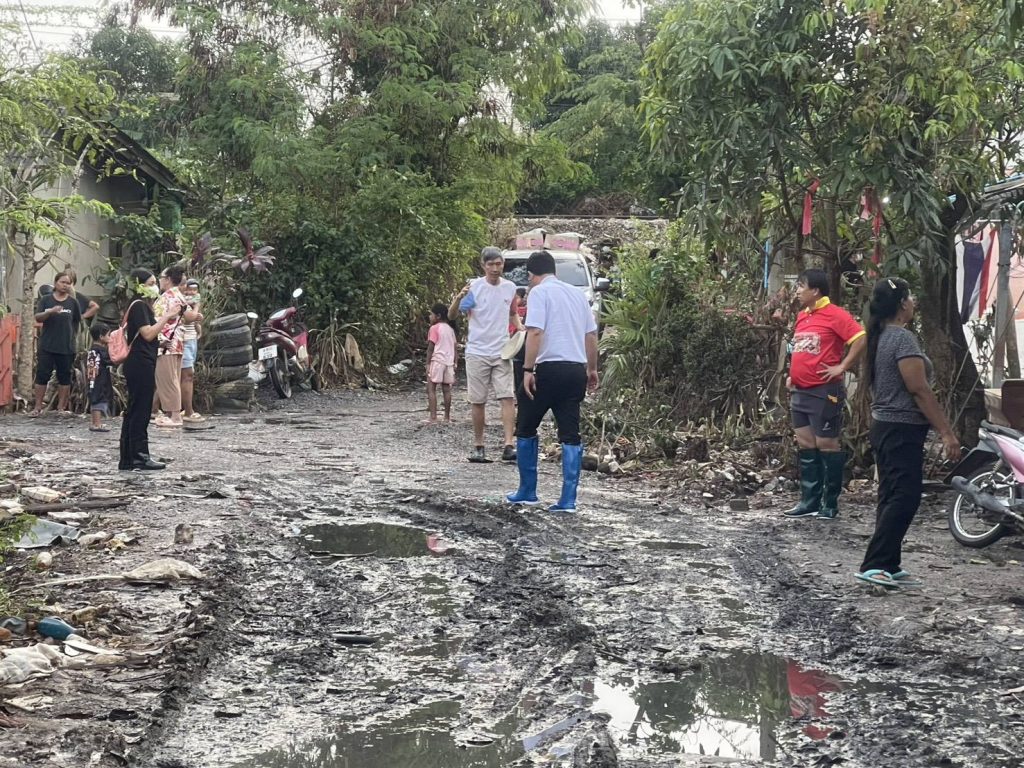
Photo credit: Diocese of Surat Thani
Relief efforts have involved close coordination among Church agencies, government bodies, and civil society groups.
Emergency medical teams were deployed in the immediate aftermath to prevent disease outbreaks, while food and clean water distribution addressed urgent needs. Authorities also used drone technology to assess damage and guide recovery planning.
As Thailand moves further into the rehabilitation phase, both state and Church actors are prioritizing sustainable recovery by restoring livelihoods, rebuilding infrastructure, and addressing long-term health concerns, particularly among children.
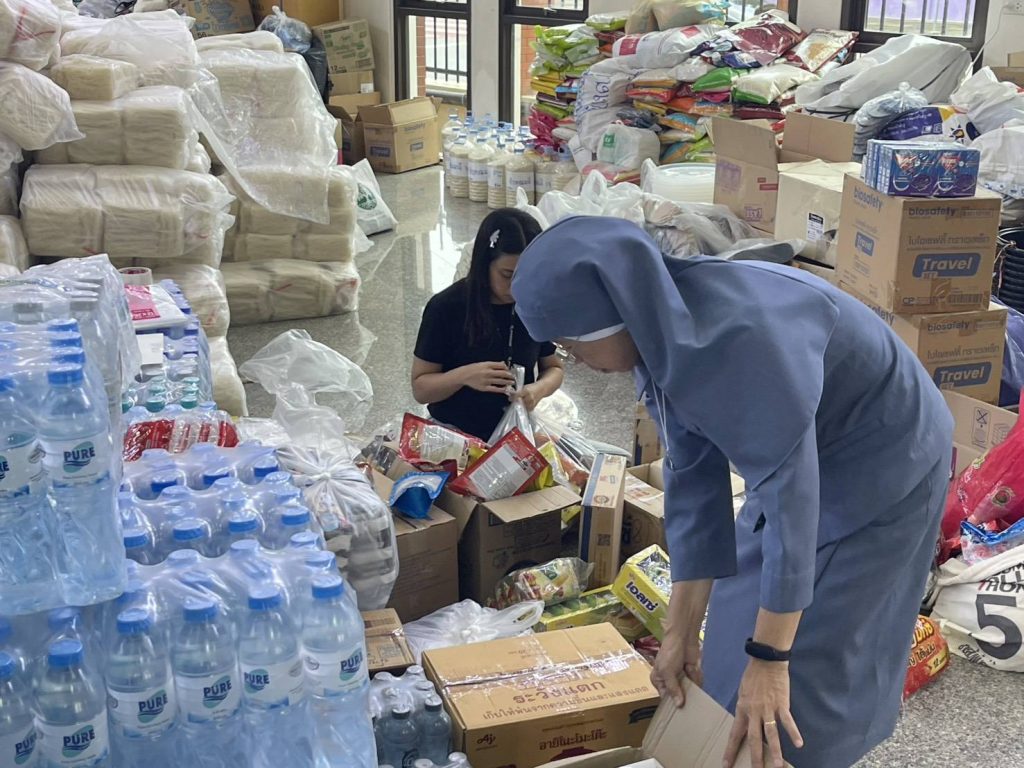
Photo credit: Diocese of Surat Thani
For the Church, the current focus on nutrition and sustainable food production reflects a broader mission: not only to respond to immediate suffering, but to help communities rebuild with dignity and resilience.
“Our task now is to walk with the people beyond the emergency,” a diocesan source noted, “ensuring that recovery reaches the most vulnerable, especially the young, whose future has been disrupted.”
Even as some parts of southern Thailand begin to mark Songkran with modest celebrations, for many flood-affected families the road to recovery remains long, one that the Church has pledged to travel alongside them.