
Tributes from religious leaders, governments, and international organizations have poured in following the death of Thailand’s Princess Bajrakitiyabha Narendira Debyavati, a royal known for her work in justice reform and human rights advocacy.
The eldest child of King Maha Vajiralongkorn died peacefully on June 11 at King Chulalongkorn Memorial Hospital in Bangkok at the age of 47 after a prolonged illness.
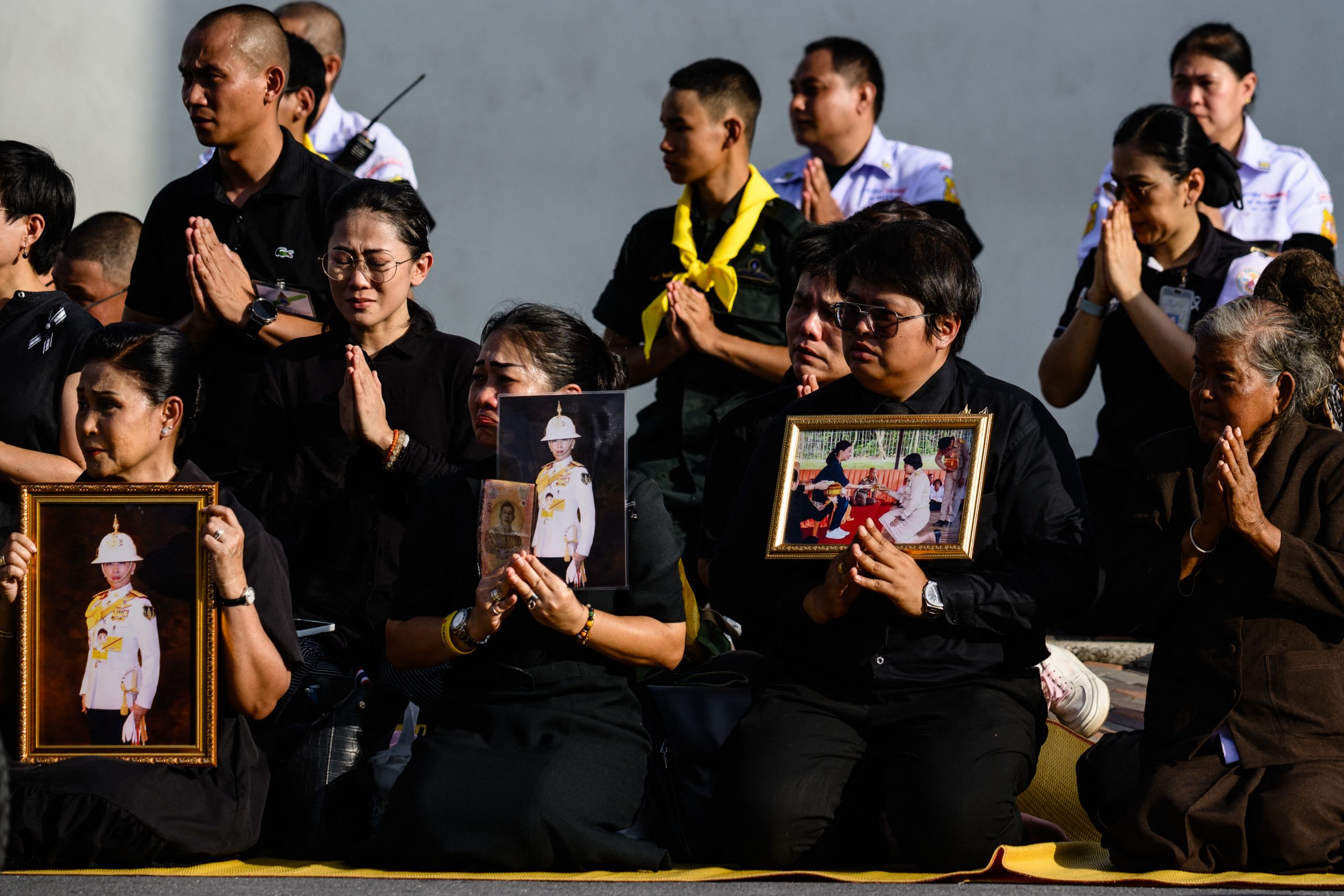
The first words of the announcement rippled through a nation, prompting spontaneous gatherings of mourners holding her portrait, their eyes heavy with tears.
On Saturday afternoon, the reality of the loss took physical form along the streets of Bangkok. Long before the royal funeral cortege began its journey from the hospital to the Grand Palace, thousands of citizens had already gathered in hushed silence along the 10-kilometer route to pay their final respects.
Among those who arrived several hours early to secure a place on the pavement were Thawat and a friend, both in their late twenties. Clutching portraits of the princess, they joined thousands of others waiting quietly along the route.
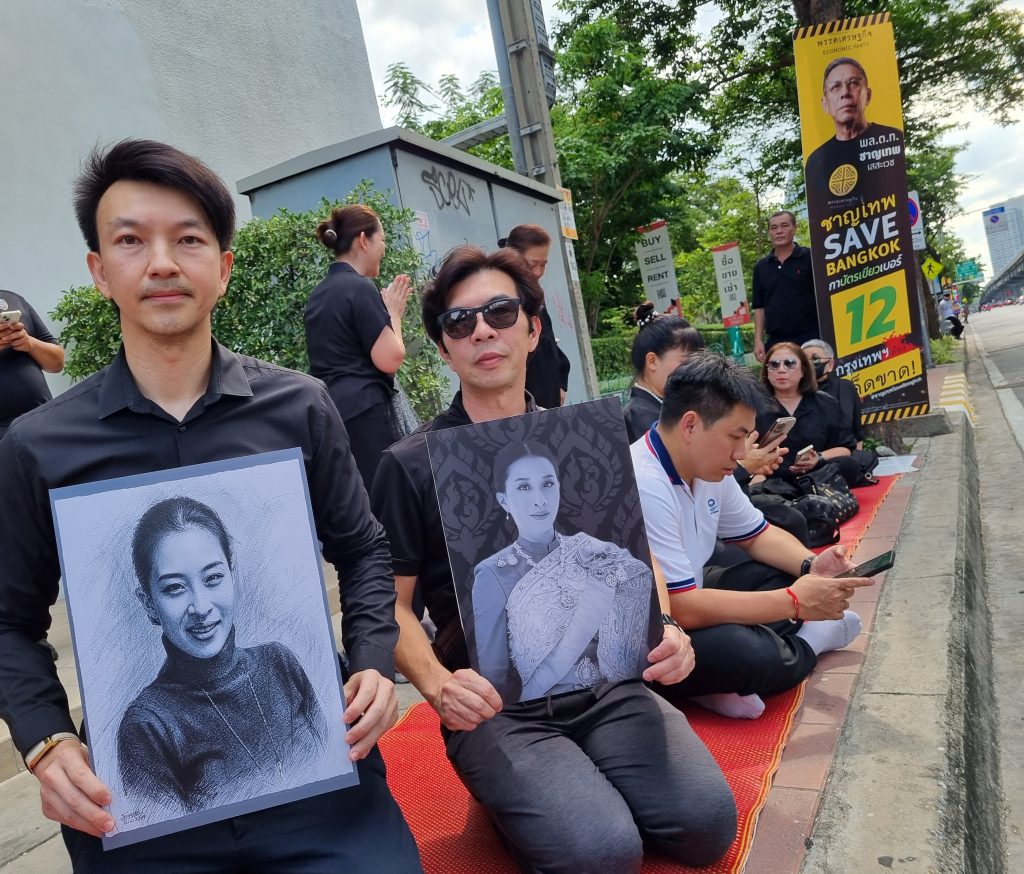
Speaking to LiCAS News, Thawat’s voice dropped to a somber whisper, expressing a sentiment shared by many across the country.
“Some losses… never stop the world from spinning, but instead cause the entire land to stand still in the same silence. Not because there are no words, but because every word… is too small to bear the weight of the feelings at this moment,” said Thawat.
That sense of stillness extended far beyond the procession route. Citizens dressed in black and other somber colors, creating a visible expression of national mourning and unity.
Pastoral tributes
In a statement issued on June 12, the Catholic Bishops’ Conference of Thailand (CBCT) expressed deep sorrow over the princess’s passing and highlighted her longstanding support for the Catholic community.
“Throughout her life, Her Royal Highness dedicated herself with diligence and perseverance to performing royal duties for the well-being of the people and the progress of the nation. She was also full of compassion and always supported the activities of the Catholic Church in Thailand. Her beautiful conduct will forever remain in the memory of Thai Catholic Christians,” the Catholic bishops said.
CBCT President Archbishop Francis Xavier Vira Arpondratana directed dioceses and religious institutions across the country to offer special prayers of dedication for her eternal rest and include memorial intentions in Sunday Eucharistic celebrations.
Archbishop Peter Bryan Wells, representing the Apostolic Nunciature in Thailand, also paid tribute to the princess, recognizing her commitment to justice and her enduring legacy of compassion and public service.
Global legacy of justice, advocacy
Beyond her royal responsibilities, Princess Bajrakitiyabha earned international recognition for her work in law, human rights, and humanitarian advocacy. Often referred to by the media as the “Legal Princess,” she held a doctorate in law from Cornell University and served in the Office of the Attorney General.
Her influence on international legal reform was particularly evident through her work with the United Nations Office on Drugs and Crime (UNODC), where she served as a Goodwill Ambassador for the Rule of Law in Southeast Asia.

The UNODC credited her with helping advance the 2010 adoption of the U.N. General Assembly’s Bangkok Rules, a landmark framework promoting the humane treatment and rehabilitation of incarcerated women.
Monarchs and heads of state from around the world echoed those tributes.
King Jigme Khesar Namgyel Wangchuck and Queen Jetsun Pema of Bhutan praised her lifelong commitment to the welfare of women and children. Philippine President Ferdinand R. Marcos Jr. remembered her as a dedicated public servant whose commitment to human dignity remains an inspiration.
Joining the regional expressions of sympathy, Cambodia’s King Norodom Sihamoni and Queen Mother Norodom Monineath conveyed their condolences to King Maha Vajiralongkorn and the Thai royal family.
Enduring legacy for the Kingdom
In a nationally televised address, Prime Minister Anutin Charnvirakul said no words could fully express the magnitude of the loss.

“With her firm determination, Her Royal Highness dedicated her strength and ingenuity to creating a society founded upon justice, equality, and human dignity,” he said.
He praised the princess for her contributions as a legal scholar, diplomat, and social advocate.
Princess Bajrakitiyabha’s own words perhaps best reflected the principles that guided her work:
“I believe the rule of law is a crucial pillar for development, for economic growth, and, of course, for human rights. Society cannot grow if there are instability and injustice.”
As Thailand enters a period of remembrance, the programs she championed — from legal education scholarships at Cornell University to prison reform initiatives — continue to shape institutions and communities.
Though her life was cut short, the legal reforms, humanitarian initiatives, and public service she leaves behind ensure that her vision of a more just and equitable society will continue to influence future generations.