Many indigenous communities suffer a range of interconnected issues, from the loss of resources, especially land, to situations of serious ecological degradation and destruction due to climate change, corporate takeover of agriculture, and mineral or other resource extraction. The loss of the economic value of their own production and financial schemes contribute to their cultural demise, as many of the younger generation migrate to cities where they are vulnerable to exploitation.
The lived experience of an integral ecology calls for journeying closely with those suffering. This enables all to find the mutual hope and sense of community that allows the poor, particularly Indigenous Peoples, to share their woundedness and love of life. The life of all sentient beings, land and seas, and all communities from the margins can thus fully participate in the pastoral life of the Church and the mission of Jesus.
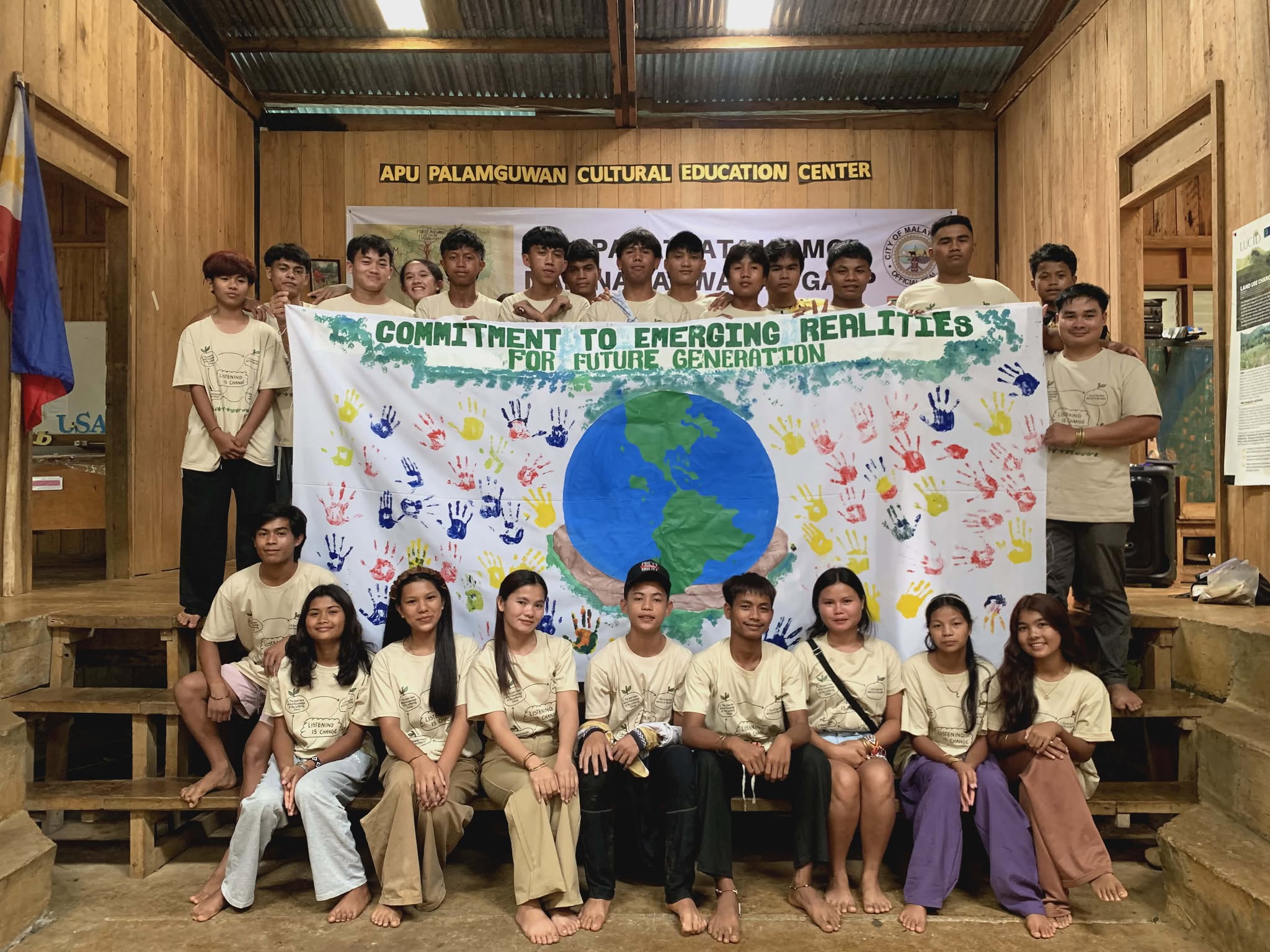
In an effort to listen deeply to indigenous youth voices as they share their sense of identity, belonging, and the integral ecology that is part of their life, the team at the River Above Asia Oceania Ecclesial Network (RAOEN) undertook a series of workshops with the theme Nurturing Integral Ecology in Synodality (NIES).
RAOEN’s efforts in pursuing these NIES workshops emerged from a context of listening to the stories of individuals and communities of Indigenous Peoples in different parts of Asia and Oceania and how their faith experience enables their expression of hope.
The voice of the faith sharing in the journey with these people comes from listening to the cry of the poor and the cry of the Earth. Basic Ecclesial Communities and Basic Human Communities are an enriching part of this journey, and the care for creation has much to learn from Indigenous Peoples.
RAOEN’s effort in these workshops with indigenous youth developed from a critical reminder that “(s)ynodality and integral ecology both take on the character of relationality and insist upon us nurturing what binds us together; this is why they correspond to and complement each other concerning how the mission of the Church is lived out in today’s world.” (from the Final Document, Synod of Bishops 16th Ordinary General Assembly, 2023 Synthesis Report, Section 48n)
Exploring the relationality of ecology and synodality is needed for we are constantly interconnected with a living and suffering creation that lives in us—from the air we breathe, water we drink, and the food we eat, through people and resources used, and, if we care to look sometimes, through a beautiful transcendental blessing in a setting sun or a starry sky. We are also a suffering creation that needs healing and hope through transforming how we live.
In trying to answer “what is integral ecology for a community of faith,” seven elements emerged that guide the workshop process:
- Listening locally as identity and faith in contributing to a better world are expressed.
- Identifying roots and roles where indigenous youth are challenged to communicate.
- Stories of belonging are shared that include personal and community commitment to the living tradition and a sense of leadership.
- Experiencing hope and faith opens the indigenous youth to a journey to contribute to an ongoing life in community, reflection, and finding a sacred time to open the path to pastoral participation and civil engagement.
- The transforming strength of stories through Basic Ecclesial Communities reflects their faith and finds hope.
- Emerging realities of the Oceania-Asia biome and diverse communities seek deeper responses, and indigenous voices need to be present where civil societies engage with governments on broader social concerns and environmental vulnerabilities, and in collaboration among organizations and cultures in the Global South.
- Engaging indigenous communities where they are contributes to weaving pathways of care and peace that lead to conversion and to sharing in the broader vision of the Church as inclusive and active in society. This conversion and journeying together is the first step in being integral.
Beyond the stories and reflections, the NIES workshop process enhances the lived-in-creation experience of the indigenous and how local communities share the sense of mission in their daily lives. For indigenous youth, what emerges is a better understanding of who they are and where they find themselves in today’s world. In sharing with the broader faith community, they can learn to journey with the youth in understanding their contribution and mission as Basic Human Communities.
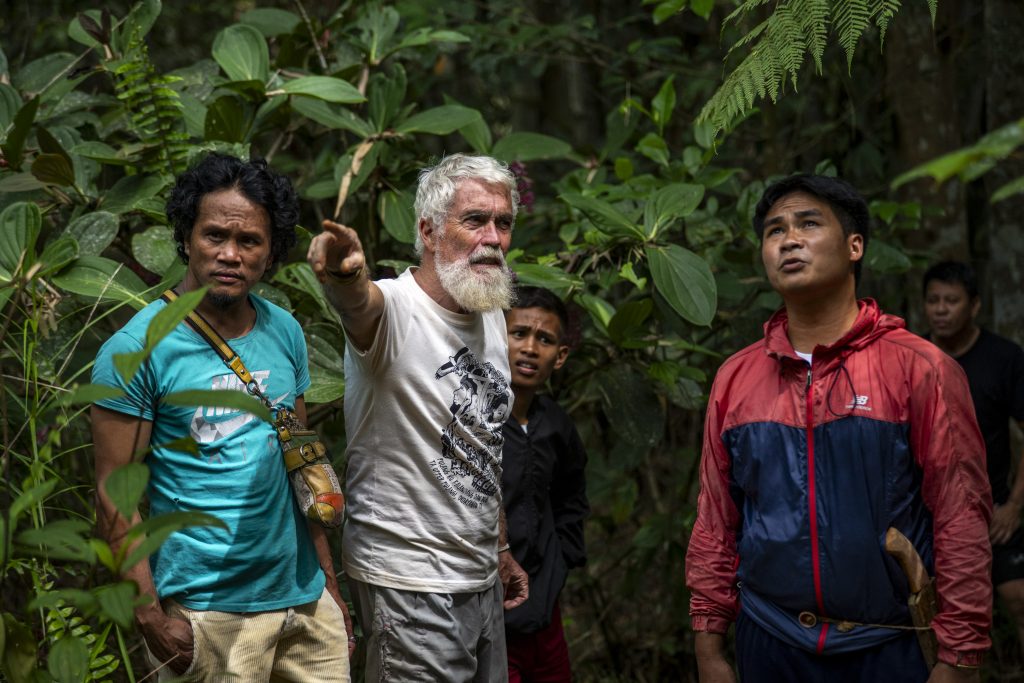
Fr. Pedro Walpole, S.J. works in sustainable environment and community land management in Southeast Asia, with mainly local communities, universities, international organizations, and governments. He practices a people-focused approach to capacity building and seeks to promote more lasting partnerships through research, consultation, and policy building to support local populations and governments. He is the Global Coordinator for Ecojesuit, Research Director for the Environmental Science for Social Change, and the Coordinator for the River Above Asia Oceania Ecclesial Network.
Pedro also directs the Apu Palamguwan Cultural Education Center, an upland basic education program and technical training for indigenous children in northern Mindanao that has its own culture-based curriculum and promotes multi-language education and the use of the mother tongue. He continues to live with the Pulangiyēn, an upland indigenous community in Mindanao.