Sri Lanka’s High Court sentenced 15 men to 220 years in prison each over the 2019 Easter Sunday bombings that killed 279 people, following the first direct criminal convictions tied to the massacre.
Authorities are separately investigating alleged links between elements of the state apparatus and those behind the attacks.
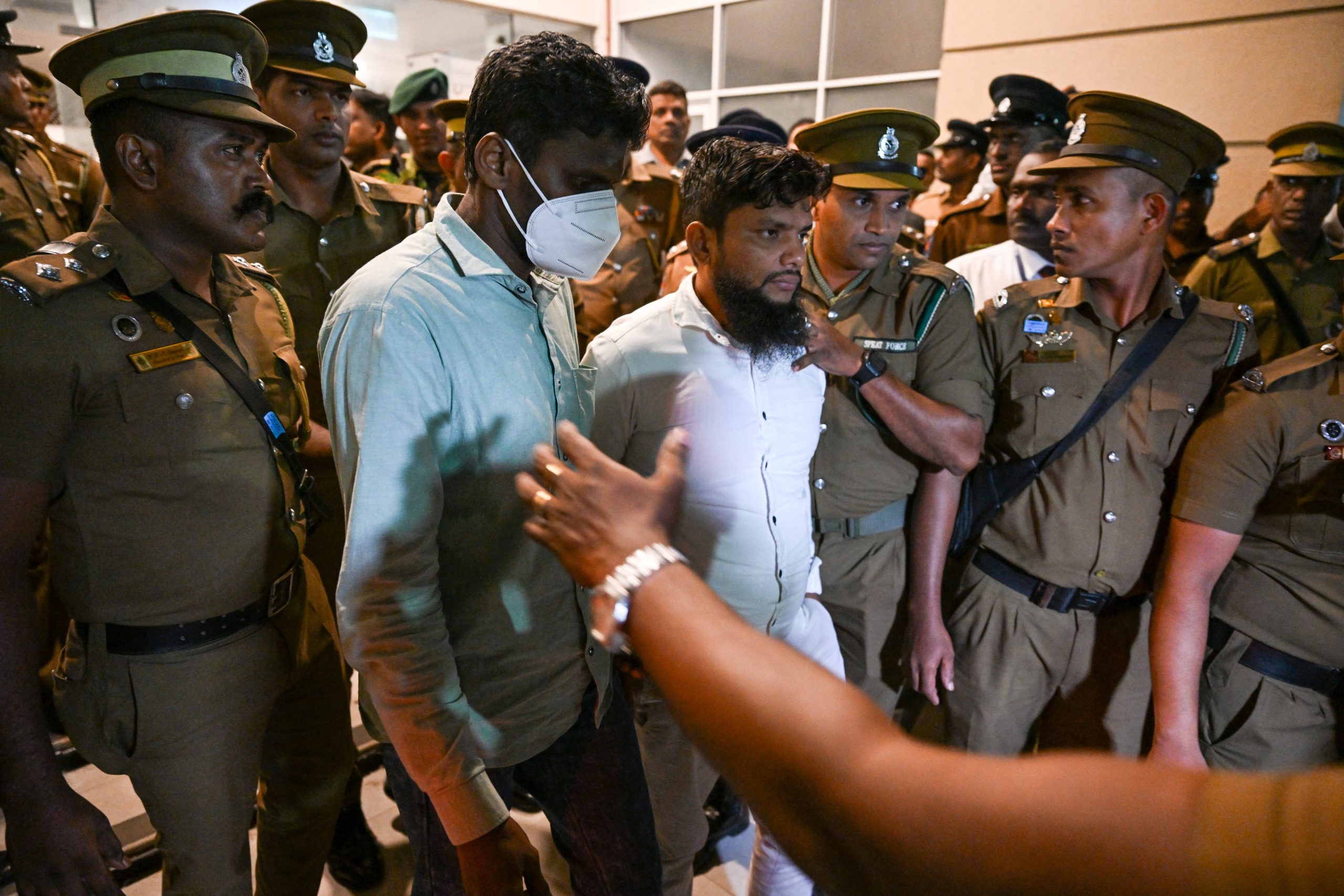
A three-judge bench in Colombo on Sept. 22 found 14 defendants guilty on all charges, including murder, conspiracy to commit terrorism and possession of firearms and explosives under the Prevention of Terrorism Act.
A 15th defendant was convicted on some charges, while nine others were acquitted.
All 15 were given 220-year prison terms. The court also ordered the confiscation of their property and other assets.
The verdict came at the end of a nearly five-year trial involving more than 23,270 charges, the most filed in a single case in Sri Lankan legal history.
Among those convicted on all charges was Mohamed Naufar, whom prosecutors identified as the ringleader who supported the eight-member suicide squad that carried out the attacks.
The suicide bombers struck three churches and three luxury hotels on April 21, 2019, killing 279 people, including 45 foreigners.
Sri Lanka’s Catholic Church, which has pressed for years for accountability over the attacks, welcomed the convictions.
Catholic priest Jude Fernando described the ruling as a long-awaited moment for victims and their families.
“Finally, we have justice,” Fernando told Agence France-Presse, adding, “It has taken a long time to get to this point.”
Teresa Fernando, a survivor who suffered head injuries in the attacks, said victims had gone to court seeking justice.
“We came here today as victims of this attack to receive justice,” she said. “Whatever the court says… we will bow our heads and accept it.”
The case was the first criminal prosecution directly linked to the coordinated bombings.
In July, a former police chief and a former security chief were sentenced to death for criminal negligence after failing to prevent the attacks despite prior intelligence warnings.
The latest convictions and sentences do not end questions surrounding the Easter Sunday massacre.
Authorities are pursuing a separate investigation into allegations that elements within the Sri Lankan state had links to those responsible for the bombings.
Former intelligence chief Suresh Sallay is in custody facing accusations that he was the “mastermind” who orchestrated the attacks. He has denied the allegations.
Public Security Minister Ananda Wijepala told parliament in June that investigators believed Sallay had worked with Islamist extremists before the bombings.
Investigators said the network was cultivated to create a security threat that would strengthen political support for the Rajapaksa family, which returned to power several months after the attacks with the election of Gotabaya Rajapaksa as president.
According to court filings cited by AFP, investigators believed the objective was to create chaos and present Rajapaksa, a former defense chief, as the leader best placed to restore security.
Rajapaksa and his supporters have rejected allegations of involvement.
Sri Lanka’s Catholic community, led by Cardinal Malcolm Ranjith of Colombo, has repeatedly called for “truth and justice” and demanded that those who ordered the attacks, as well as any political or intelligence complicity, be identified.
Catholics have also called for an independent prosecutor and have organized demonstrations, human chains, commemorative Masses and prayer gatherings to press for a full accounting of the attacks.
Church leaders have at the same time urged Catholics not to seek revenge against Muslims, stressing that the bombings should not lead to ethnic or religious conflict.