The head of Caritas Philippines warned of a possible hunger crisis among poor communities as El Niño strengthens and urged social action centers to prepare vulnerable families before drought, crop losses and rising food prices worsen.
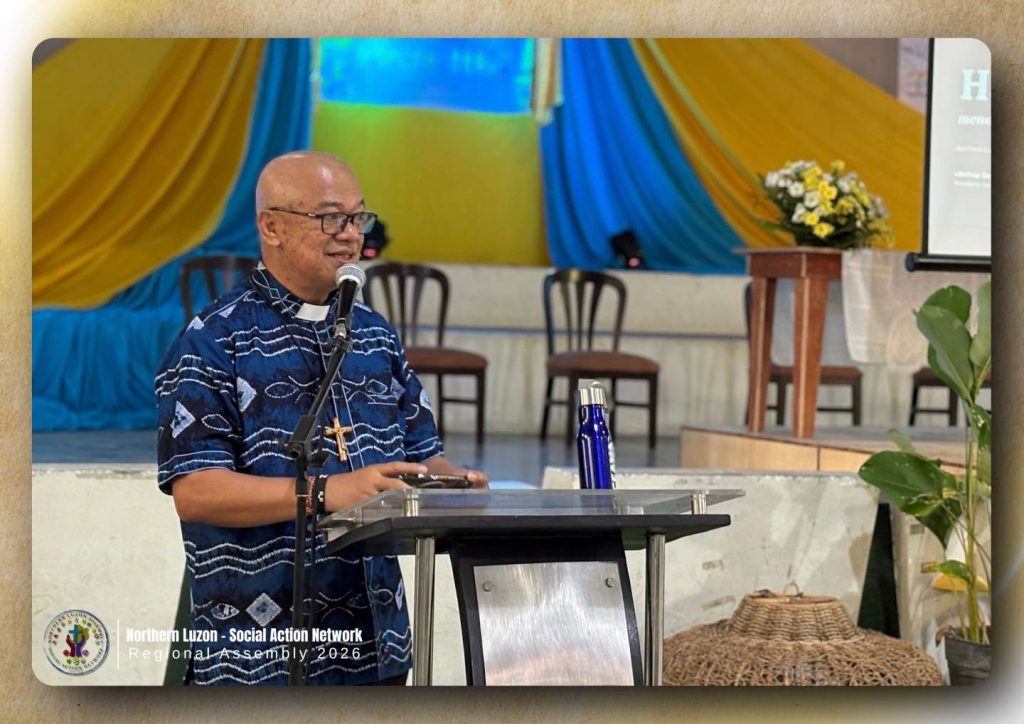
Bishop Gerardo Alminaza of San Carlos raised the warning Sept. 30 during a gathering of the Northern Luzon Social Action Network at the Panpacific University Events Center in Urdaneta City, north of Manila.
Representatives of 13 archdioceses, dioceses and apostolic vicariates joined the gathering, along with Bishop Nick Vaquilar of Urdaneta and Bishop Napoleon Sipalay Jr. of Alaminos.
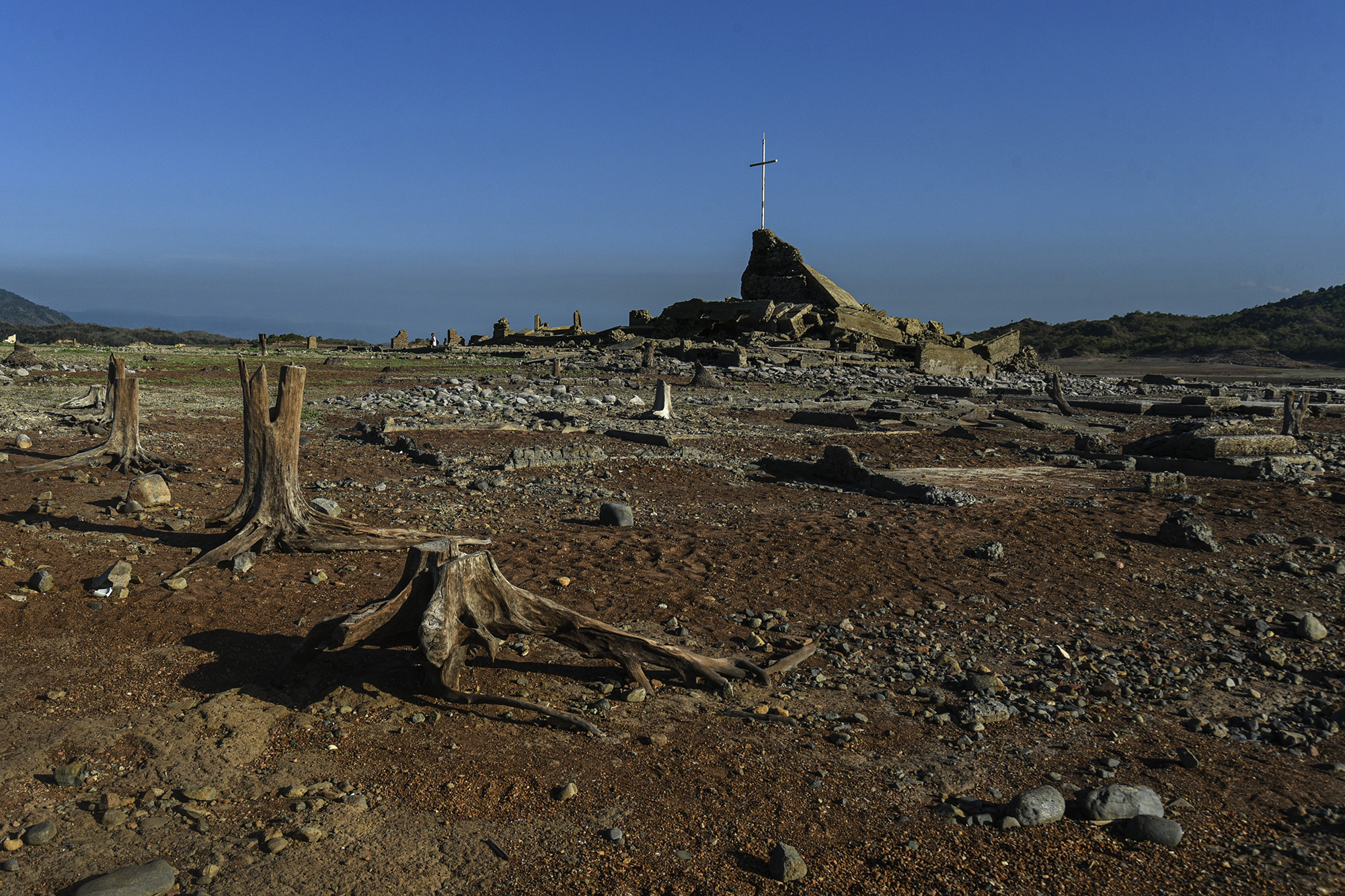
Alminaza said El Niño could develop into a very strong event and persist through the first half of 2027, raising the risk of below-normal rainfall, prolonged dry spells and drought in parts of the country.
The prelate, who also serves as interim chairperson of the Integral Ecology Ministry, said the Department of Agriculture had projected that El Niño could reduce palay production by about 750,000 metric tons, putting further pressure on food supply and prices.
“So perhaps we should ask the difficult question now, while there is still time to prepare. Could this become a hunger crisis for our poorest communities?” Alminaza said.
He said the Church should not wait until irrigation water runs short, harvests fail and food prices rise before responding.
“These are not questions we should begin asking only after the crops have failed,” he said.
Alminaza said social action centers should identify “which communities are most exposed before the emergency comes,” conserve water, help farmers adjust to changing conditions and strengthen local food systems.
He also urged Church groups to pay attention to families already struggling, saying “extreme heat, water scarcity and food insecurity will not affect everybody equally.”
The bishop linked the El Niño threat to the broader climate crisis and the vulnerability of communities already exposed to disasters and ecological degradation.
He cited a United Nations Environment Programme report saying that the “exceedance of” the 1.5-degree Celsius global warming threshold “is now widely assessed as unavoidable.”
“This is not a reason to give up. It means every fraction of warming matters, and adaptation cannot wait,” Alminaza said.
He said adaptation must include protecting dependable water, healthy soil, forests, watersheds and productive seas.
“We cannot talk about climate resilience while steadily weakening the ecological systems that give communities their resilience,” he said.
Alminaza said climate change is often experienced through disrupted rainfall, failed harvests, damaged homes, debt and higher food prices.
A changing climate, he said, can become “a livelihood problem, a debt problem, perhaps even a reason for somebody to leave home.”
He also cited environmental pressures across Northern Luzon involving renewable energy, mining, dredging, nuclear power, land use and water.
In Laoag, he pointed to fisherfolk and coastal communities in Burgos, Bangui and Pagudpud concerned about proposed offshore wind development.
“A wind turbine may produce clean electricity, but the sea beneath it is not empty space,” he said.
“People live from that sea. There are ecosystems there. There are relationships with place that cannot simply be measured in megawatts,” he added.
In Nueva Vizcaya, he cited Indigenous communities and other residents in Kasibu and Dupax del Norte facing mining exploration and concerns over land, forests and water sources.
“What appears on one map as a mineral deposit may be somebody else’s watershed,” Alminaza said.
He warned that the transition away from fossil fuels should not reproduce “the same extractive model with different materials.”
Alminaza framed the Church’s response through “Hayuma,” which Caritas Philippines uses to mean “mending the broken together,” and urged dioceses to share lessons across the Northern Luzon network.
“What one diocese learns should become available to another before a similar struggle reaches it,” he said.
He also urged participants to keep affected communities at the center of Church planning.
“Whatever eventually comes out of our planning should make sense to the person sitting there. Otherwise, we may have made a very good plan for ourselves,” Alminaza said.