The Catholic Church in the Philippines will highlight threats to ancestral lands and calls for genuine Free, Prior and Informed Consent (FPIC) as Indigenous communities take center stage during the national observance of Indigenous Peoples Sunday on Oct. 11.
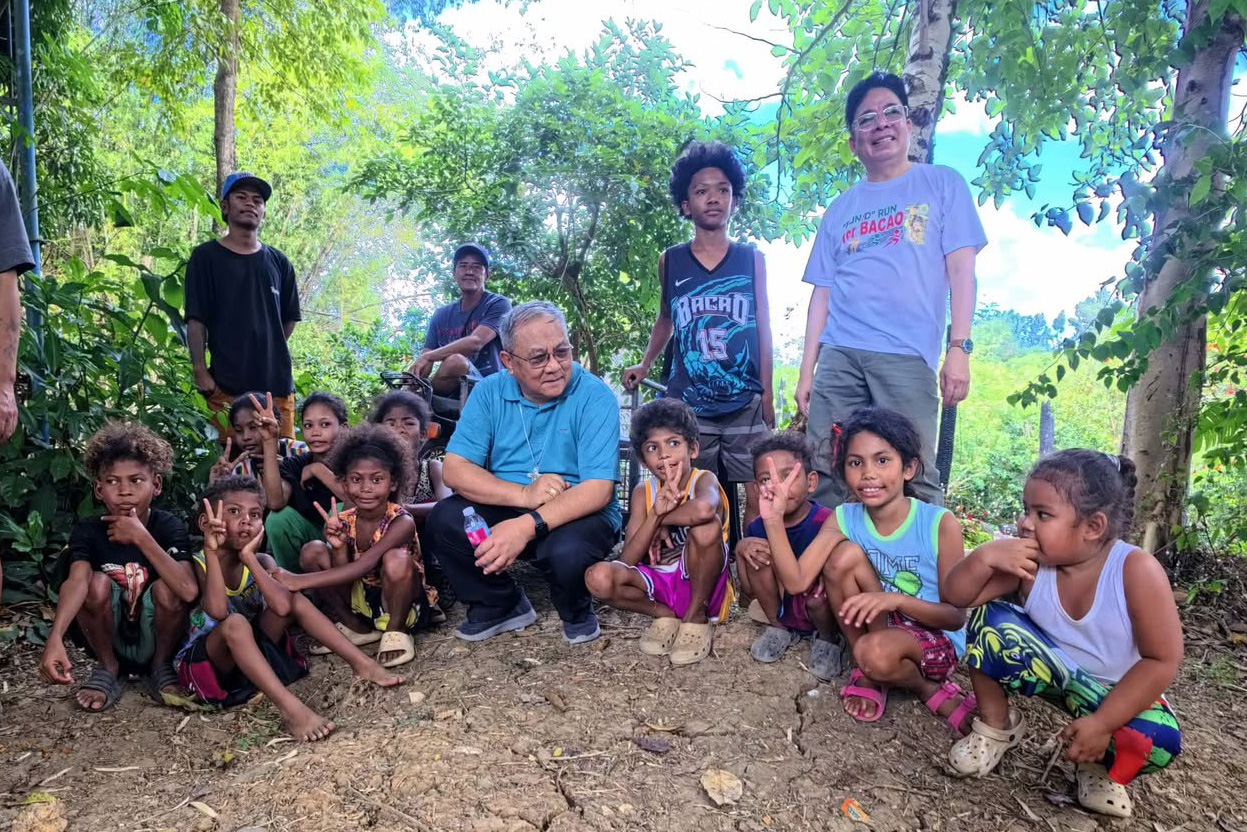
Aeta and Dumagat communities will share their experiences, aspirations, and pastoral concerns during the celebration in Sitio Bacao, according to the Catholic Bishops’ Conference of the Philippines’ (CBCP) Episcopal Commission on Indigenous Peoples (ECIP).
The commission said the gathering will also draw attention to environmental destruction, displacement, loss of traditional livelihoods, and the erosion of Indigenous cultural identity, CBCP News reported.
It called for genuine FPIC and stronger protection of Indigenous Peoples’ rights in decisions affecting their communities and ancestral lands.
In an earlier interview with LiCAS News, Bishop Moises Cuevas, head of the CBCP-ECIP, warned that FPIC was being weakened. “The problem with FPIC is that it has also been watered down,” Cuevas said.
He said consultation was necessary to address concerns being raised across Indigenous communities over land, watersheds, coastal ecosystems and livelihoods.
“There are many questions being raised across many communities. These difficult questions about watersheds, lands, coastal ecosystems and livelihoods must be answered. That is why consultation is necessary,” Cuevas said.
The commission said the Church regards Indigenous Peoples not simply as recipients of pastoral assistance but as partners in its mission.
“The Church recognizes indigenous peoples not simply as recipients of pastoral assistance but as partners in the mission of the Church and custodians of creation,” the commission said.
Cuevas said his visits to Indigenous communities across the Philippines showed how closely their relationship with nature was tied to respect and care for creation.
“I have visited about 18 to 20 Indigenous communities across the Philippines, and what is beautiful is that they regard nature as belonging to God. Therefore, for them, nature deserves reverence, respect, and care rather than exploitation,” he said.
The national observance will include a session titled “Listening to the Indigenous Peoples: The Bacao Ayta Experience,” where Bacao Aytas and Dumagats will discuss issues affecting their communities.
Church leaders, government officials, pastoral workers, and Indigenous Peoples are expected to take part.
The commission said Bacao also offers an example of Indigenous resilience and environmental restoration through reforestation, agriculture and livelihood programs.
About 1,000 Aeta families settled in Bacao after the 1991 eruption of Mount Pinatubo, with land designated for their development through an arrangement involving the Diocese of Cabanatuan and the military.
Since 2015, Aeta residents have participated in a government-assisted reforestation project covering about 800 hectares.
Cuevas also cited an earlier campaign in Oriental Mindoro in which Indigenous Peoples, local communities, the Church and local officials opposed a proposed mining project.
“Indigenous Peoples, local communities, the Church and local officials came together and resisted the proposed Mindoro Nickel project to protect the watersheds, agricultural lands, fragile ecosystems and coastal ecosystems,” he said.
The Indigenous Peoples Sunday program will also include messages from government and security officials, a dialogue on Indigenous rights and ancestral lands, an open forum, and a Eucharistic celebration.
Participants will plant Indigenous and endemic trees around the Bacao Mission as a sign of solidarity and commitment to caring for creation.
The Catholic Church in the Philippines has observed Indigenous Peoples Sunday on the second Sunday of October since 1978 to recognize Indigenous Peoples’ dignity, cultures, contributions, and concerns.