
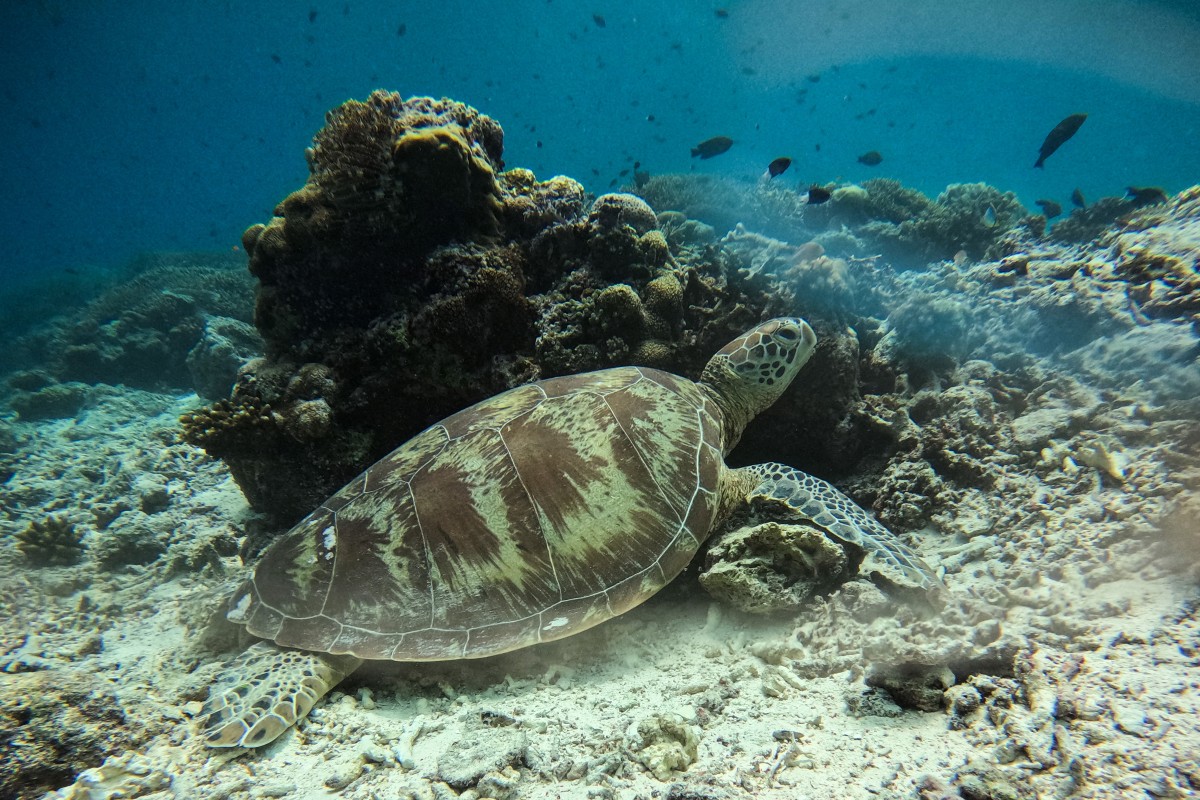
A global assessment warning that 96 percent of evaluated coral reef ecosystems face an extremely high risk of collapse by 2075 has intensified calls to keep fossil fuel expansion away from the Coral Triangle and other sensitive marine areas in Southeast Asia.
The International Union for Conservation of Nature’s first global Red List of Ecosystems assessment of coral reefs found that 122 of 127 assessed reef ecosystems are critically endangered when projected future heat stress is taken into account.
The assessment identified ocean warming and increasingly frequent marine heatwaves as the most consistent drivers of reef decline. A separate IUCN assessment found that 44 percent of assessed reef-building coral species are threatened with extinction.
Energy Shift Southeast Asia, in an Oct. 28 press release, said the findings carry particular significance for the Coral Triangle, where coastal communities depend on reefs for food, livelihoods, tourism and protection from coastal hazards.
“The IUCN findings make clear that the crisis facing coral reefs is no longer a distant possibility, but a warning that ASEAN must act on now,” said Anj Dacanay, lead campaigner of Energy Shift Southeast Asia.
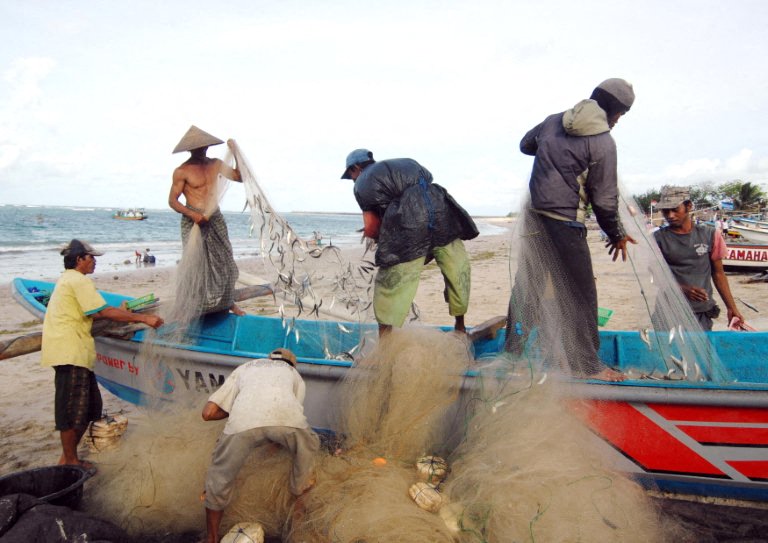
Dacanay said Southeast Asian governments should address emerging threats to marine ecosystems and prevent fossil fuel expansion from adding pressure to areas that sustain coastal communities.
The group raised concerns over offshore petroleum service contracts and proposed extractive activities near marine protected areas across the region.
It cited Palawan and Tubbataha Reefs Natural Park in the Philippines, Bali in Indonesia and Tun Mustapha Park in Sabah, Malaysia, as areas it said illustrate concerns over marine conservation, fossil fuel expansion and climate resilience.
In Palawan, offshore oil and gas exploration and development have raised concerns over possible effects on marine biodiversity, fisheries and ecological links between coastal habitats and offshore waters.
The province includes the UNESCO-listed Tubbataha Reefs Natural Park, which the group said underscores the importance of protecting highly valuable reef ecosystems from pollution, destructive activities and risks linked to offshore extraction.
Energy Shift Southeast Asia called on governments to publicly verify the locations, boundaries and status of petroleum service contracts against official maps of marine protected areas.
It said confirmed overlaps or credible risks to protected ecosystems should prompt transparent reviews, environmental assessments and precautionary measures.
“Marine protected areas must mean real protection,” Dacanay said.
She called for transparent contract maps, stronger safeguards and a commitment to keep new fossil fuel extraction away from biodiversity-critical marine areas.
The IUCN findings come as a strong to very strong El Niño persists in the tropical Pacific.
The Philippine Atmospheric, Geophysical and Astronomical Services Administration said in an Oct. 7 advisory that the conditions were expected to continue into the first half of 2027 and could peak before the end of 2026.
Prolonged periods of unusually warm seawater can cause corals to bleach and lose the symbiotic algae that provide much of their energy. Corals can die if stressful conditions persist, while repeated bleaching can leave reefs with insufficient time to recover.
The IUCN assessment found that 24 percent of assessed reef ecosystems were classified as critically endangered based on observed changes over the previous 50 years. That figure rose to 96 percent when projected future heat stress was included.
Energy Shift Southeast Asia said reducing greenhouse gas emissions must go together with efforts to curb local pressures on reefs, including pollution, habitat disturbance and overfishing.
Dacanay said new fossil fuel projects risk locking in emissions for decades at a time when rapid reductions are needed to limit further warming and preserve the resilience of natural ecosystems.
She said Palawan, Bali, Tun Mustapha Park and Tubbataha illustrate the stakes for biodiversity, food security, cultural heritage and coastal communities as climate pressures intensify.
“The IUCN warning must be a turning point,” Dacanay said. She called for stronger protection of critical marine habitats and a shift toward clean, renewable energy.