An international Indigenous peoples’ movement has warned that the global rush for minerals, energy projects, and other strategic resources is fueling repression and militarization in ancestral territories.
The International Indigenous Peoples Movement for Self-Determination and Liberation (IPMSDL) issued the warning ahead of Indigenous Peoples Heroes Day on Nov. 10, saying communities defending their lands are increasingly facing arrests, killings, displacement and criminalization.
“More and more of our people are criminalized, jailed, murdered, forcibly displaced, and branded as enemies of the state, terrorists, and anti-development, simply for defending what is ours,” IPMSDL said in an Oct. 31 statement.
The group said ancestral lands rich in natural resources are being targeted for large-scale mining, energy infrastructure and other extractive projects.
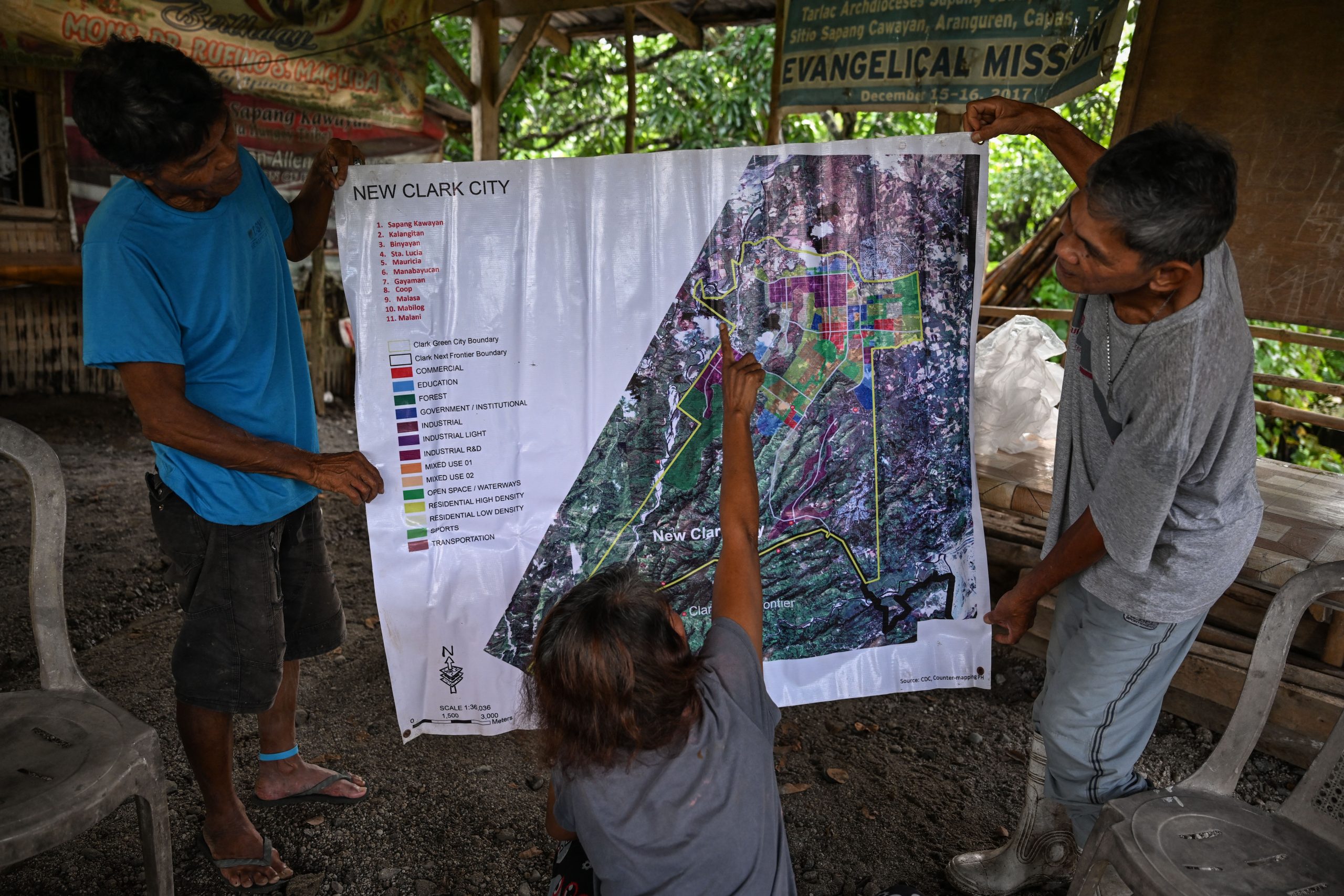
It cited bauxite mining in Odisha, India; the Pax Silica artificial intelligence and semiconductor hub in the Philippines; and the Grasberg mine in West Papua in connection with present-day Indigenous struggles against extractivism.
“Foreign- and corporate-sponsored state troops are deployed to pave the way for these extractive operations,” IPMSDL said.
“This trend of repression shows how states put imperialist and profit-driven interests above Indigenous Peoples’ rights,” it added.
The movement also said the global energy transition is adding pressure on Indigenous territories.
IPMSDL said Indigenous Peoples make up about 5% of the world’s population and protect an estimated 80% of the Earth’s biodiversity, but remain among those hardest hit by the climate crisis.
“The so-called green energy transition, promoted as the solution, only deepens environmental destruction and land dispossession, further threatening our lives,” the group said.
IPMSDL also linked resource extraction to competition among major powers for territorial and economic control, saying ancestral lands are increasingly treated as sources of raw materials and areas of conflict.
The group said the conditions facing Indigenous communities today echo those confronted by past leaders and activists commemorated on Indigenous Peoples Heroes Day.
The observance was declared by IPMSDL during its founding assembly in 2010. Nov. 10 coincides with the 1995 execution of Nigerian writer and environmental activist Ken Saro-Wiwa and eight others known as the Ogoni Nine, who opposed environmental destruction and exploitation in Ogoniland in the Niger Delta.
The date also marks the deaths of M.N. Larma, who led the Jumma peoples’ struggle for autonomy in Bangladesh’s Chittagong Hill Tracts, and Theys Eluay, who led the West Papuan people’s assertion of their right to self-determination.
IPMSDL also cited Macli-ing Dulag, who opposed the Chico River Dam project in the Philippines, among Indigenous leaders whose struggles continue to influence present-day campaigns.
“Their legacies live on in Indigenous Peoples who continue to defend our lands and fight for a future free from attacks, imperialist plunder, and war,” the group said.
IPMSDL called on Indigenous communities, organizations, and allies to mark Nov. 10 by honoring Indigenous heroes, keeping their stories alive, and carrying their legacy into action.