As the Church in Asia steps into 2026, moving from the spirit of pilgrimage toward becoming witnesses of hope, the journey is often marked not by grand gestures but by quiet fidelity lived day after day.
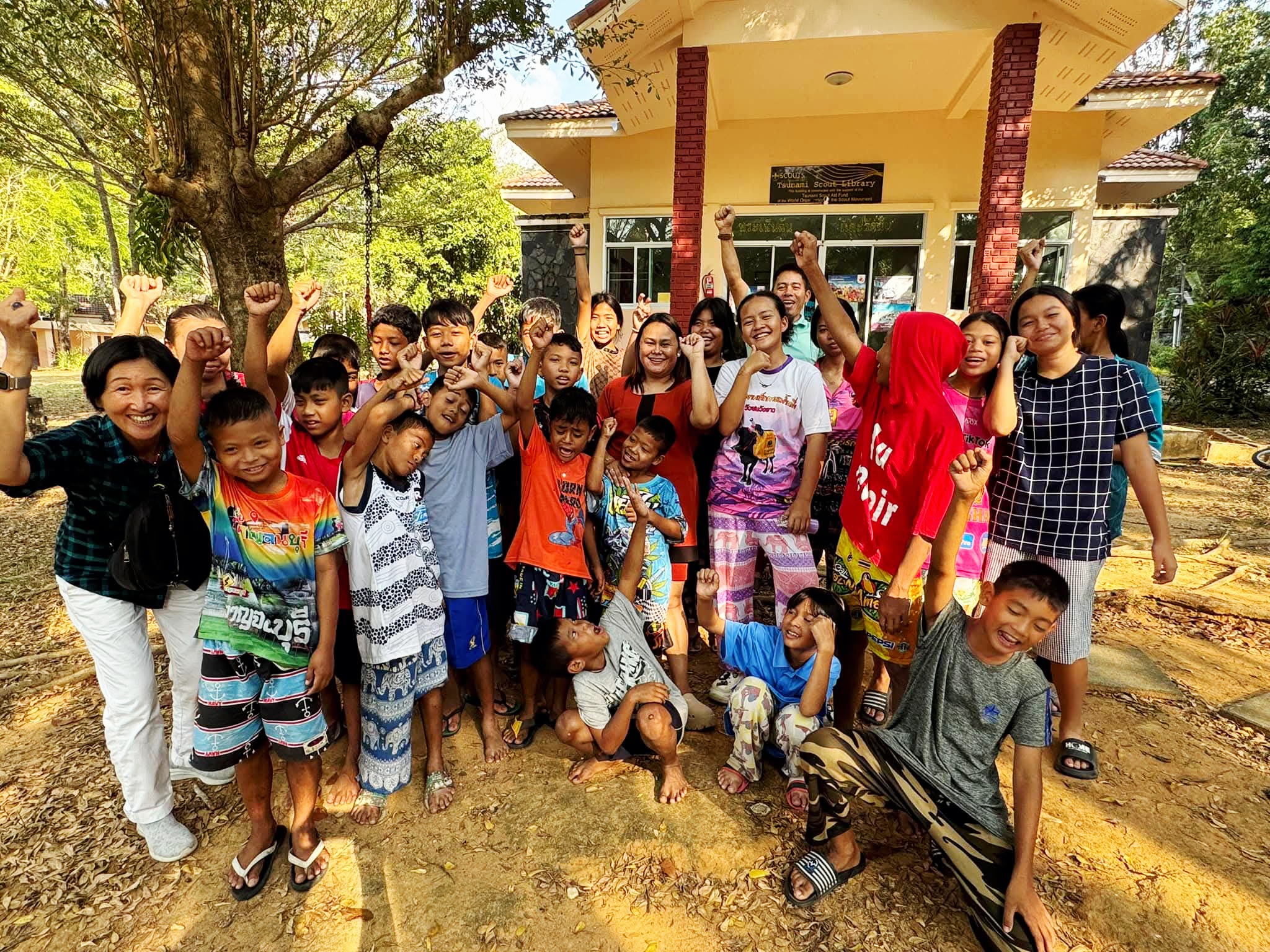
One such witness can be found at Don Bosco Home in Bang Sak, Phang Nga Province, about
800 kilometers south of Bangkok, where Ms. Surarak Chainiramol, affectionately known as
Teacher Lian, has spent nearly two decades accompanying children whose lives began in loss but are being rebuilt with dignity and care.
A home born from tragedy
Don Bosco Home was established in the aftermath of the 2004 Indian Ocean tsunami, which
devastated Thailand’s southern coastline and left many children orphaned and vulnerable.
Run by the Salesians of Don Bosco, the home has since become known as a place of healing,
education, and hope.
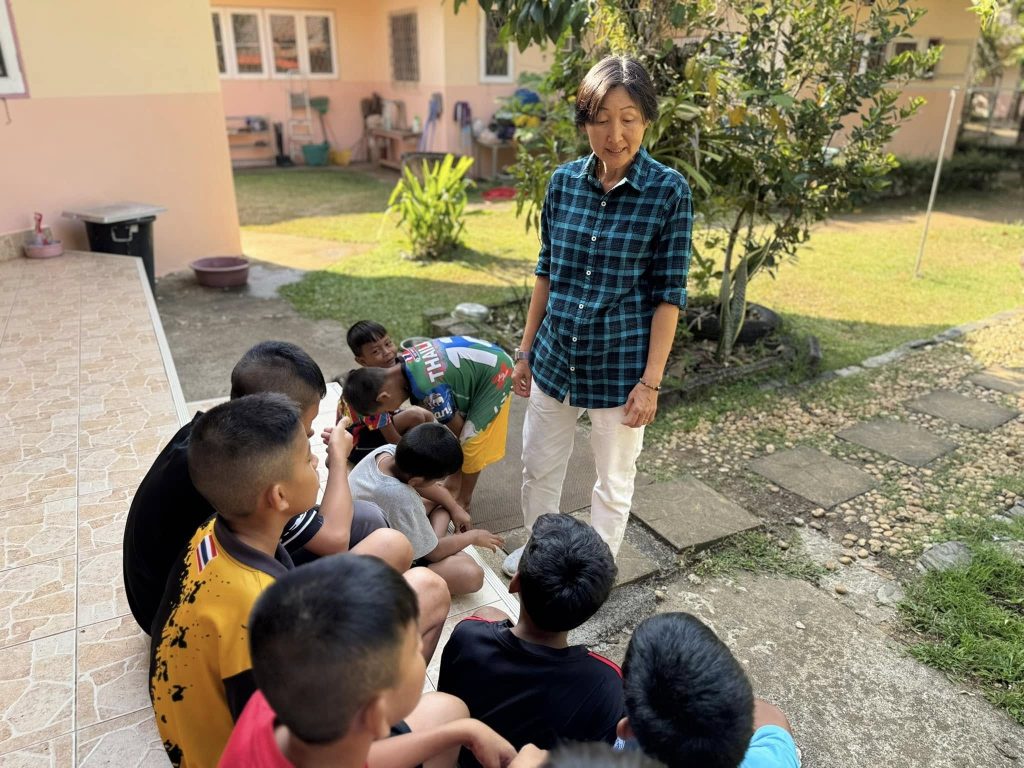
Over the past 20 years, nearly 300 children have passed through its doors, receiving not only shelter and schooling, but formation inspired by the charism of St. John Bosco, who believed deeply in the goodness and potential of every young person.
A personal pilgrimage of service
Teacher Lian comes from St. Andrew Parish in Yala Province, near Thailand’s southern border
with Malaysia. When the tsunami struck, she volunteered to assist affected communities.
“It was during that time that I learned the Salesians were going to build an orphanage,” she
recalled. “I came as a volunteer, but when I met the children, I felt this was where I was meant to be.”
She joined Don Bosco Home in August 2006, a decision that would shape the next chapter of her life.
Educating with hope, not fear
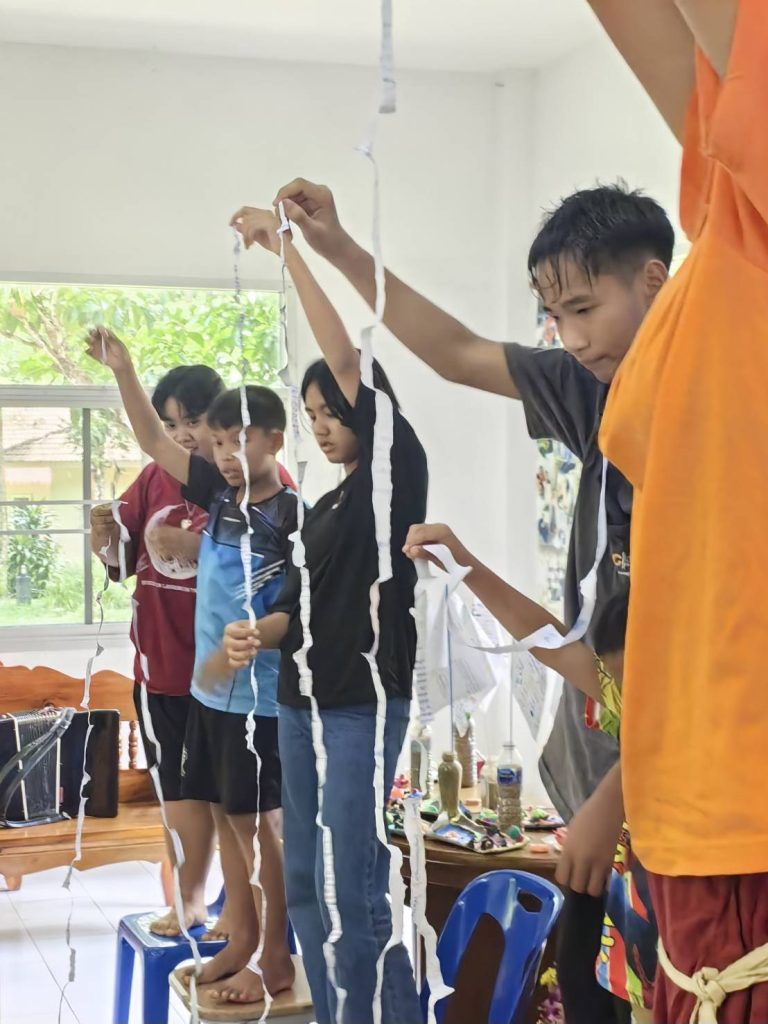
For the 2025 academic year, Don Bosco Home cares for 43 children—29 boys and 14 girls—who attend a nearby school.
Teacher Lian says formation begins with understanding each child’s story.
“They come from different families and different wounds,” she said. “But what they all need is the same—love.”
“It’s essential that we show love and care to the children in our care, and that they know they’re loved and valued,” she added.
Faithful to Don Bosco’s preventive system, discipline at the home avoids fear or violence. “We never punish children physically,” she explained. “When they do something wrong, we help them learn how to change.”
Corrective tasks—such as caring for plants, watering trees, or maintaining shared spaces—are meant to teach responsibility and self-improvement.
“All children are good,” she added. “They may still need guidance, but that belief is never
outdated.”
Witnesses beyond home
The fruits of this quiet mission are visible. Almost 300 alumni from the home’s earliest years are now earning livelihoods with dignity. Some have become teachers; one works as an airline cabin crew; many are self-employed, supporting themselves and their families.
“They are not rich,” Teacher Lian said, “but they are happy. They live with self-sufficiency.”
For her, success is measured not by status but by character. “My happiness is to see them grow up to be good people,” she said. “I always tell them: this is your opportunity. Don’t miss it. Grow into a quality citizen.”
Living witness of hope
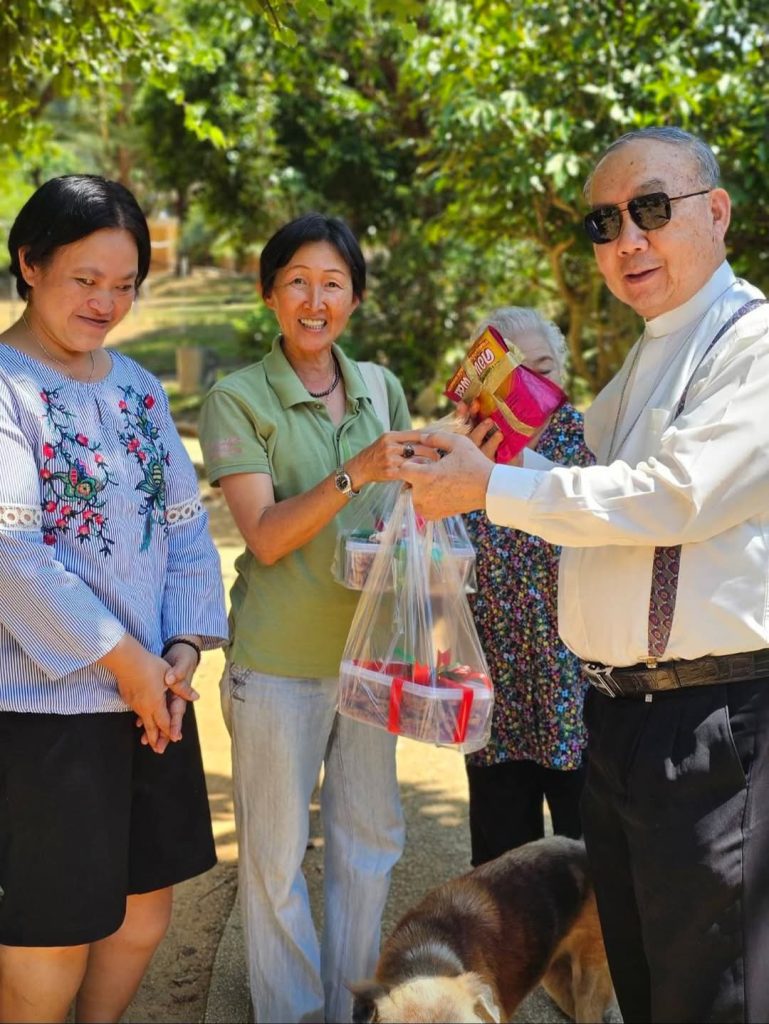
As the Church reflects on its transition from pilgrimage to witness, the experience of Teacher Lian illustrates how this shift is expressed in daily practice. At Don Bosco Home, care for children is carried out through sustained presence, long-term commitment, and consistent accompaniment.
Don Bosco Home operates in a context where many children have experienced loss and disruption. Its approach emphasizes care, education, and stability as part of its work with orphaned and vulnerable youth.
Teacher Lian’s pilgrimage did not end when she arrived in Bang Sak. It continues each day,
alongside children whose lives began at zero but are being guided—steadily and quietly—toward a future shaped by hope.
As the Church steps into 2026, this journey already has a human face. And her name is Lian.