The Catholic Bishops’ Conference of Thailand (CBCT) is set to launch its first comprehensive national training program for lay Catholic leaders next month, marking a significant step toward strengthening lay participation in the Church’s mission and leadership across the country.
Organized by the Institute for the Development of Lay Catholic Leaders under the Catholic Commission for the Laity, the five-month program will run from April to August. It aims to deepen participants’ relationship with Jesus Christ and the Church while equipping them with the knowledge, skills, and spiritual formation needed to serve as missionary disciples in an increasingly complex society.
The initiative reflects a growing recognition within the Thai Church of the vital role laypeople play, not only in supporting clergy but also in leading ministries, fostering evangelization, and contributing to social development in a globalized context.
“This is a new chapter for the Church in Thailand,” said Dr. Pratheep Chatsupang, director of the Laity Council and the driving force behind the program. “Lay leaders are at the forefront of change. They need solid formation to carry out their mission effectively in parishes, dioceses, and wider society.”
The Laity Council operates under the guidance of Bishop Silvio Siripong Charatsri, chairman of the Catholic Commission for the Laity, and Father Piyachat Makornkarn, its secretary.
It brings together more than 20 lay organizations, along with representatives from pastoral councils across Thailand’s two archdioceses and nine dioceses.
According to Dr. Pratheep, the program is designed to develop four key areas: faith formation, theological understanding, pastoral skills, and transformative leadership.
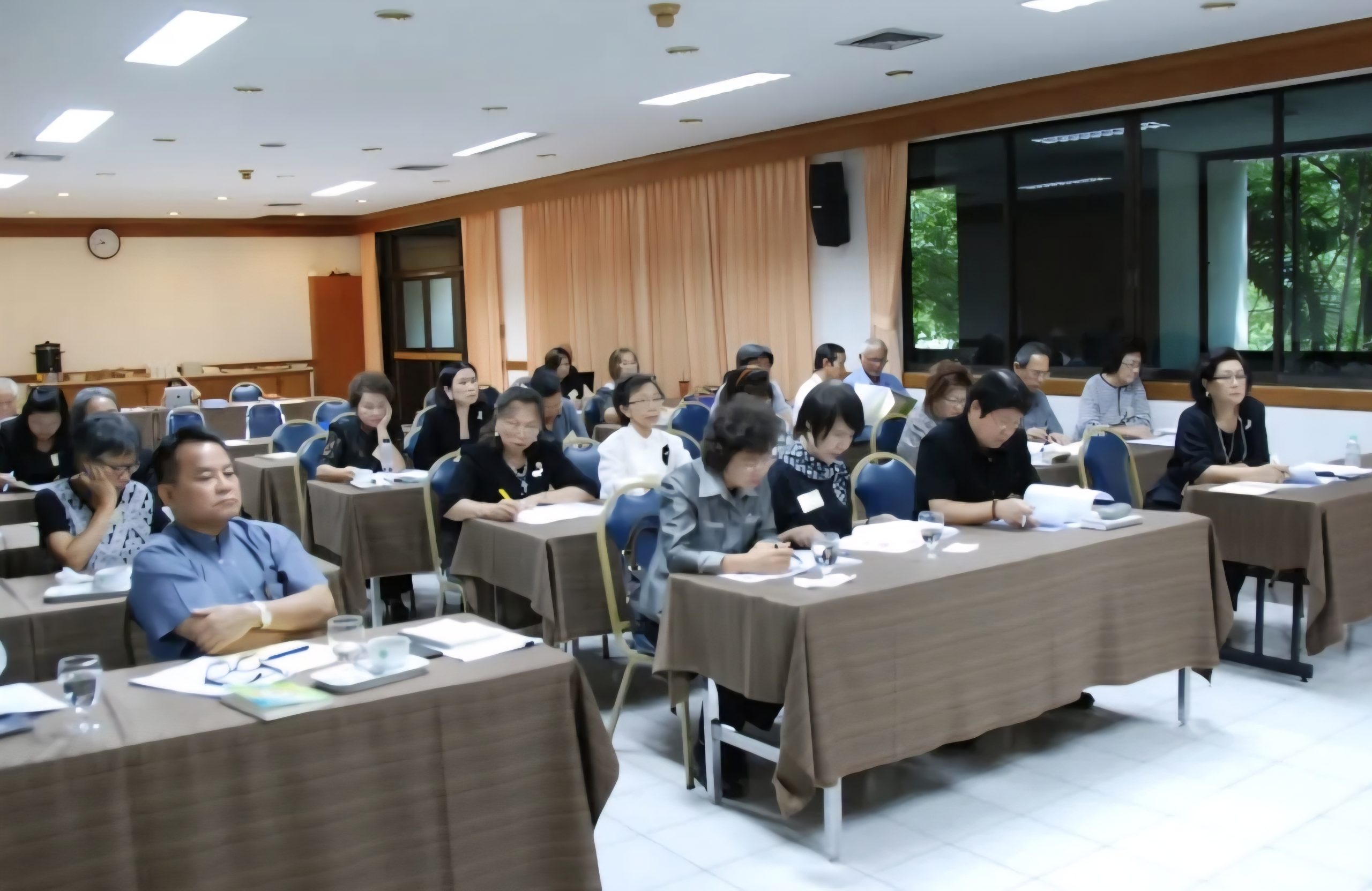
Participants, nominated by all 11 dioceses nationwide, will undergo a structured formation process combining academic learning with hands-on pastoral experience.
“The goal is not only to strengthen knowledge and skills,” he explained, “but also to cultivate moral integrity, ethical awareness, and a spirit of service rooted in Gospel values. Lay leaders must be credible witnesses who can help improve the quality of life in families, communities, and society.”
The curriculum includes training in pastoral care, catechesis, evangelization, and parish administration, areas increasingly entrusted to laypeople as the number of priests declines in many regions.
The program will begin on April 18 with a hybrid format of online and on-site sessions. The first phase, spanning 10 weeks from April to July, will focus on foundational theological and pastoral concepts.
Participants will then undertake fieldwork across different regions of the country. In July, they will engage in practical training in dioceses such as Bangkok, Ratchaburi, Chanthaburi, and Surat Thani, focusing on teamwork, leadership dynamics, and strategic pastoral management.
Further field immersion in August will take place in the northeastern dioceses of Tha Rae, Ubon Ratchathani, Udon Thani, and Nakhon Ratchasima, followed by sessions in the northern dioceses of Chiang Mai, Chiang Rai, and Nakhon Sawan.
These field experiences are intended to help participants apply their learning in real-life pastoral contexts, fostering collaboration across dioceses and strengthening national networks among lay leaders.
The final phase of the program will include lectures on the history and structure of the local Church, as well as its engagement in social, family, and youth ministries.
Participants will also complete group projects and practical workshops before presenting their final work.
Graduates will be formally commissioned as lay leaders in their respective dioceses, a move expected to enhance coordination and effectiveness in pastoral initiatives nationwide.
The launch of the program comes at a time when the global Church is increasingly emphasizing the concept of “co-responsibility” between clergy and laity. This vision, strongly highlighted during the recent Synod on Synodality, calls for a more participatory Church in which laypeople are not merely collaborators but active partners in mission and decision-making.
In Thailand, Dr. Pratheep also underscored the importance of building stronger connections between national Church leadership and grassroots communities.
“We hope this program will create a network of committed lay leaders who can work together across dioceses and collaborate with organizations both within and beyond the Church,” he said.
As the Thai Church responds to contemporary challenges, from social change to pastoral needs, the formation of capable and mission-driven lay leaders is seen as essential for sustaining and renewing its life and witness in society.