
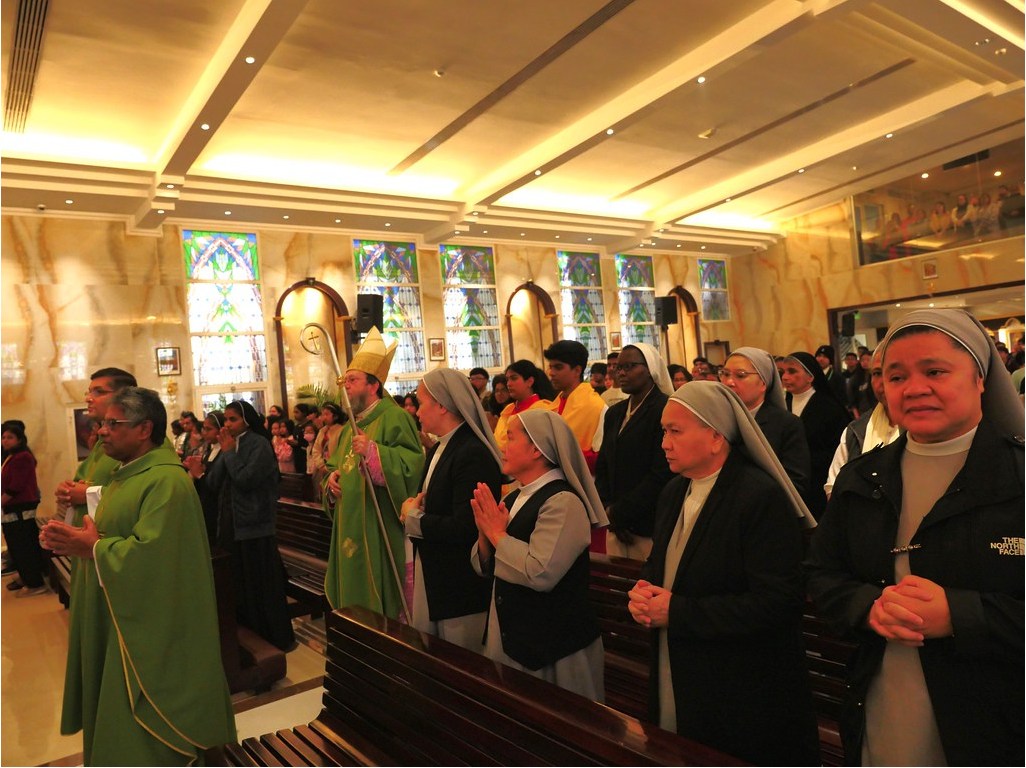
A small group of missionary nuns in Yemen is remaining alongside communities in extreme hardship, offering what a Catholic leader described as “concrete companionship” as war and uncertainty spread across the Gulf.
“The most concrete example of mission in a war-torn area is that of the Sisters of Mother Teresa of Calcutta and the priest who ‘lives with them,’” said Bishop Paolo Martinelli, Apostolic Vicar of Southern Arabia, in an AsiaNews interview.
The witness of the sisters comes as conflict linked to fighting involving Israel, the United States, and Iran has unsettled Gulf countries for more than a month, disrupting Church life and deepening anxiety among migrant communities that make up the region’s Catholic population.
“I am impressed by their joy, by their joy at being in Yemen and being able to be close to the suffering people,” Martinelli said.
While “they cannot solve the problems of their lives in that condition of extreme poverty,” he said they offer “concrete companionship to those in need,” the prelate added.
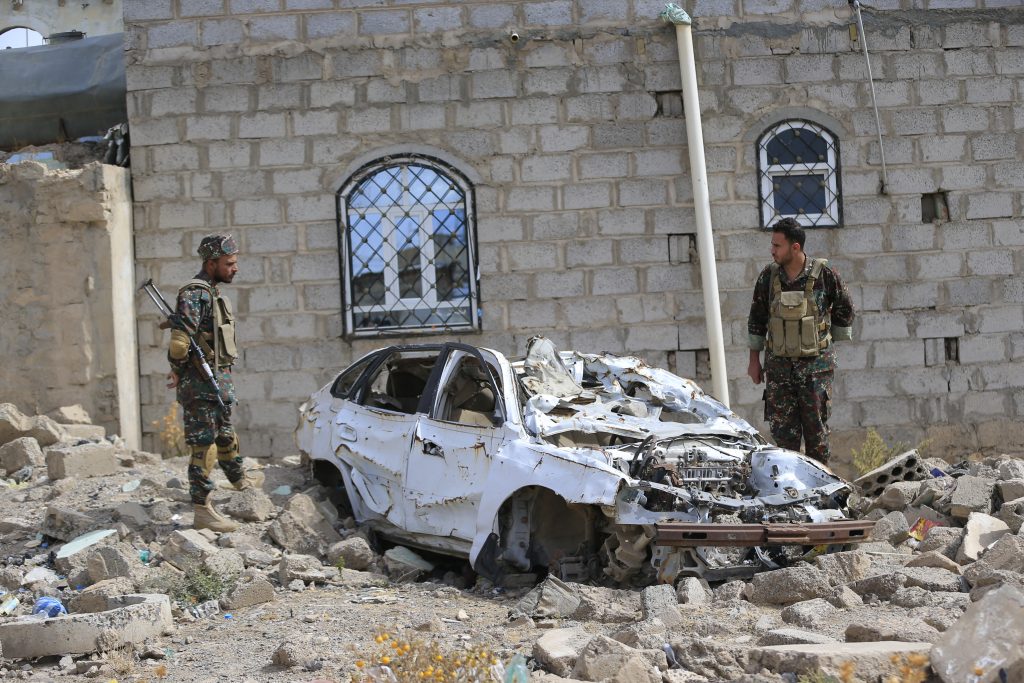
The sisters, 10 in total, continue to gather small groups of faithful and sustain Church life in Yemen, where conditions remain fragile after years of conflict.
For Martinelli, their presence reflects the core of Christian mission in crisis: “to be there, to be present, to be a companion to men and women in their concrete situations, and to show how Christ […] never stops walking with us.”
Across the vicariate, which includes the United Arab Emirates and Oman, the situation worsened at the start of Holy Week.
“Before Holy Week, the only recommendation was to avoid large gatherings of the faithful,” he said. But as the Triduum began, “civil authorities announced the closure of all places of worship in the Emirate of Dubai,” affecting two major parishes serving hundreds of thousands.
Parishes canceled events, moved catechism online, and livestreamed liturgies. Some faithful traveled to other emirates to attend Easter celebrations.
Despite restrictions, Martinelli noted strong participation, describing the Church as a “joyful polyphony of faith” drawn from more than 100 nationalities.
The conflict has heightened uncertainty among migrant workers, who form the vast majority of Catholics in the region.
“War is always a shock: it challenges our certainties, raising new questions about the present and the future,” he said.
Even where daily life continues, the impact of the conflict is felt. “The alarms and the noise of missiles and drones are not easily accustomed,” Martinelli said.
Church leaders have focused on sustaining community life and addressing isolation, particularly as sacraments and formation programs face disruption.
“The most dangerous thing is loneliness,” he said, stressing the need “to strengthen our sense of belonging to the Church, to the people of God.”
The conflict has also complicated interreligious engagement.
The Abrahamic Family House in Abu Dhabi remains closed, but Martinelli said “the path of interreligious dialogue continues,” citing ongoing meetings among religious leaders.
He warned against invoking religion to justify violence, calling it “an abuse of religion.”
“Our mission is to build the Church as a Christian community that accompanies the lives of the faithful,” he said, “ensuring that no one is alone and isolated.”
In Yemen, that mission continues under the sound of war.
“He is here with us, even when the alarm sounds, even when you hear the sound of missiles and drones,” Martinelli said. “The Lord in his Easter has united himself with us forever and with him we can always begin anew with indomitable hope.”









