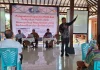

The Catholic Church in Northeast India brought together 48 Indigenous youth leaders for a five-day formation program to prepare them for leadership rooted in synodality, ecological stewardship, and Indigenous values as part of a regional initiative that will expand across all 15 dioceses.
The program, held from June 26 to 30 at the Agricultural Training Centre in Jorapara, North Garo Hills, was organized by Fr. George Plathottam, SDB, secretary of the Commission for Tribal Affairs of the Northeast India Regional Bishops’ Council (NEIRBC).
Plathottam said the initiative was part of a broader regional effort that began after he assumed his new role with the commission. Following a consultation in February, bishops from the region’s 15 dioceses appointed diocesan directors for the Commission for Tribal Affairs and adopted a roadmap for its future work.
“Considering the close connection between synodality, environmental concern and indigenous issues, we planned to focus on these three areas,” Plathottam said.
He said the commission has also been entrusted with organizing the region’s annual pastoral conference in September, which will bring together about 350 participants under the theme, Journeying with Indigenous People of God in the Synodal Church in Northeast India.
Youth leaders from the Archdiocese of Guwahati and the Dioceses of Tura and Bongaigaon attended the program, together with diocesan directors of the Commission for Tribal Affairs and several adult leaders.
The sessions introduced participants to the situation of Indigenous peoples in Asia, with particular attention to Northeast India, and examined Church teachings and guidelines at the global and Asian levels concerning Indigenous peoples, who make up more than 60 percent of Christians in most countries across the region.
Participants discussed issues affecting Indigenous communities, including land rights, livelihoods, cultural identity, language, migration, and social and political discrimination. They also explored ways to respond to these concerns through deeper study, greater participation in public life, stronger cultural and spiritual roots, and active involvement in the Church and society.
Plathottam said most Christians in Northeast India belong to tribal communities representing more than 225 languages and face many of the same challenges confronting Indigenous peoples elsewhere, including threats to ancestral lands, migration, and the erosion of language and cultural identity.
“The youth are very influential, the most educated segment, and also subject to loss of identity. So we are sitting together with them to discern in the spirit of synodality and following indigenous ways of deliberation on areas of priority,” he said.
The program combined classroom sessions with practical activities, including daily gardening, eco-spiritual reflection, nature walks, and visits to a tribal village, where participants interacted with community elders and later reflected on their experiences.
Ecological stewardship was a central focus of the program. During reflections based on Pope Francis’ Laudato Si’, participants committed themselves to living in greater harmony with nature by avoiding plastics, practicing moderation in the use of digital devices and consumer goods, and reading the Bible from the perspective of creation as God’s gift entrusted to human care. They also recognized the need for a stronger pastoral response to issues affecting Indigenous peoples, the environment, and synodality.
The formation included para-liturgical celebrations, among them a Jewish Seder service that integrated the Old Testament Passover, the Lord’s Last Supper, and the Agape meal as a sign of reconciliation and friendship.
Sessions on the Synod on Synodality examined the different stages of the synodal journey and the Church’s call to communion, participation, and mission. Participants also re-enacted the Emmaus journey through a meditative walk and took part in Conversation in the Spirit, reflecting on concerns facing their local churches, society, and tribal culture.
As part of the ecological formation, participants spent an hour walking alone through the woods without their mobile phones before sharing their observations. Discussions focused on protecting Indigenous communities and their habitats amid the continuing destruction of tribal lands.
Group discussions produced recommendations that included expanding formation programs, increasing public awareness, working across cultural boundaries, strengthening faith and family life, encouraging greater participation in parish communities, and promoting engagement in political and democratic institutions.
The practical gardening sessions concluded with participants committing themselves to grow vegetables, plant trees, reduce consumerist practices, eat less fast food, reduce plastic use, and adopt more environmentally responsible lifestyles. They were also given vegetable seeds to establish kitchen gardens in their communities.
Plathottam said the commission hopes the program will strengthen collaboration among dioceses while helping Indigenous communities better understand the challenges they face.
“We expect that people will become aware of issues, that they will not be easily influenced by the politicians or industrialists who tend to exploit them or work against their interest,” he said.
The Commission for Tribal Affairs plans to expand the program to all 15 dioceses in Northeast India as part of its long-term effort to foster a synodal Church rooted in Indigenous values and ecological responsibility.
All photos courtesy of Fr. George Plathottam, SDB