A century after his birth, the legacy of Indonesian Catholic statesman and economist Frans Seda remains relevant as the country faces economic uncertainty, geopolitical tensions, and profound changes in the global economy.
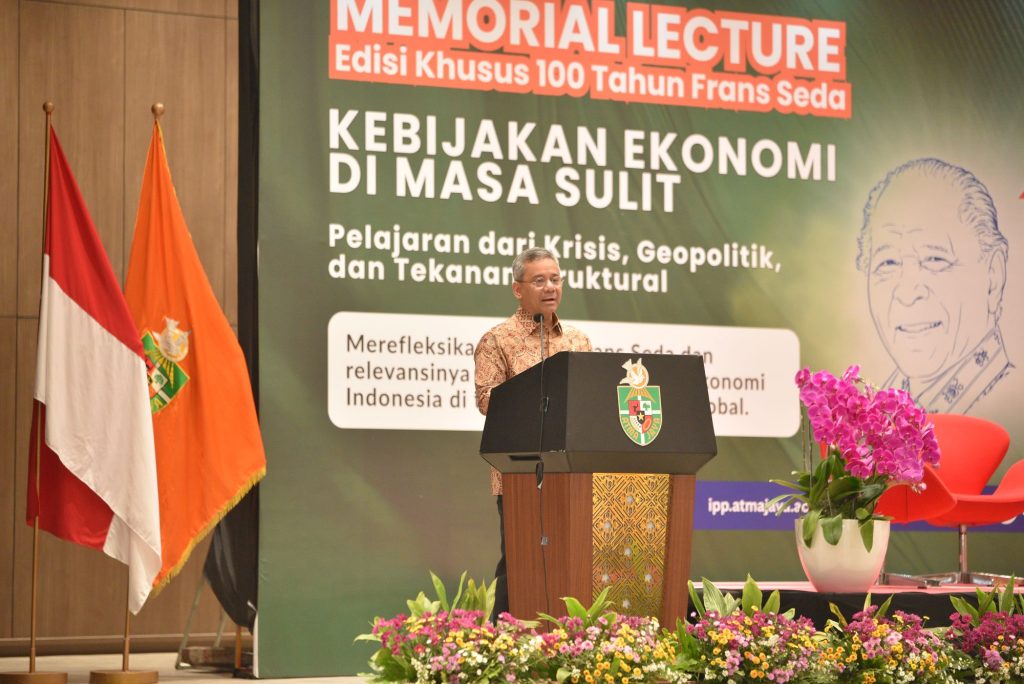
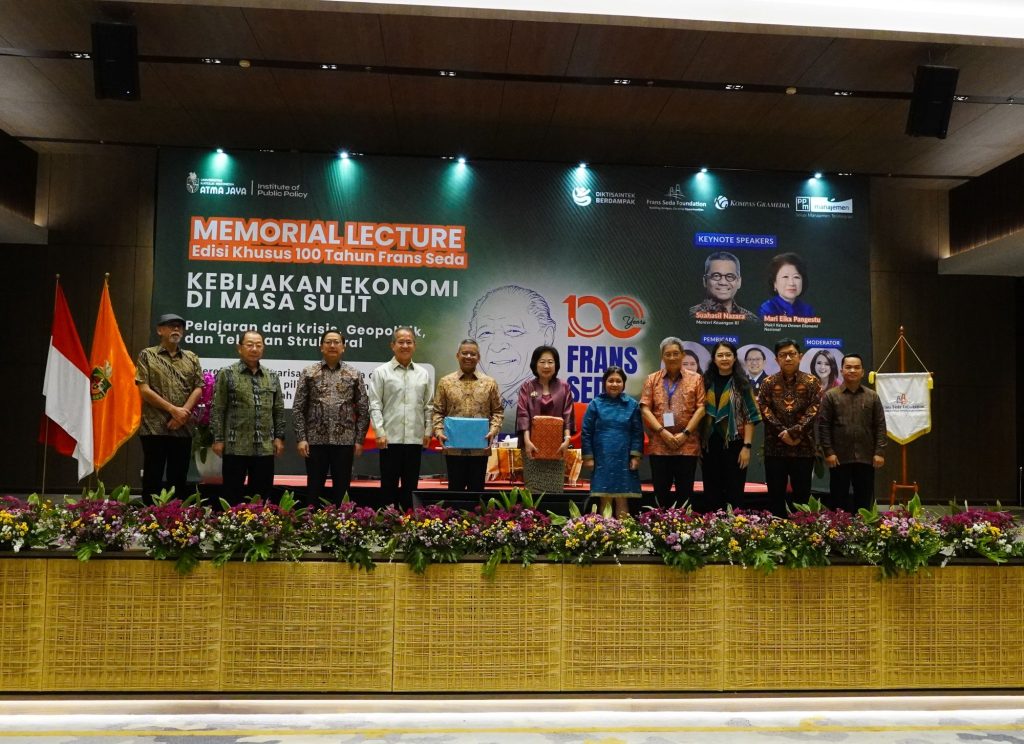
His integrity, courage to make difficult decisions, fiscal discipline and determination to protect Indonesia’s policy space were highlighted during a memorial lecture marking the centenary of his birth at the Atma Jaya Institute of Public Policy of the Catholic University of Atma Jaya Jakarta on Oct. 1.
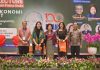
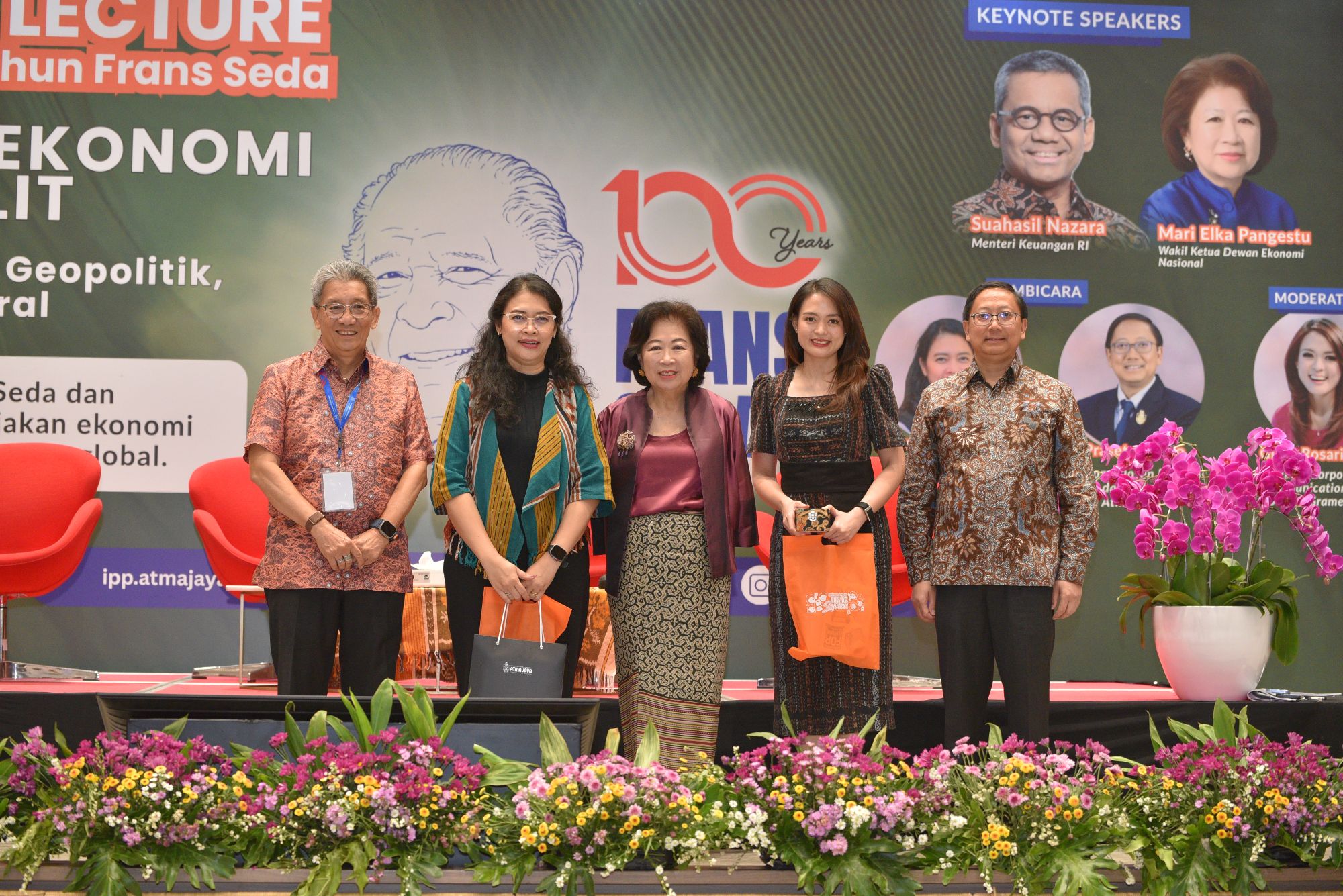
Organized by the Frans Seda Foundation and the institute, the forum brought together policymakers, economists, academics, business leaders and students to reflect on Seda’s contribution to Indonesia and the lessons his public service offers today.
Finance Minister Suahasil Nazara said Seda’s experience showed that managing an economic crisis requires more than technical expertise. It also requires credibility, integrity and the courage to make difficult decisions.
Seda, who lived from 1926 to 2009, became finance minister in 1966, when Indonesia was facing one of the worst economic crises in its history. Inflation had exceeded 650 percent, foreign exchange reserves were depleted, exports were declining, and the country was burdened by heavy external debt.
Under Seda and the government’s stabilization program, inflation fell to around 110 percent in 1967 and 85 percent in 1968.
“For a crisis response, the courage to act must always be accompanied by fiscal responsibility and efforts to maintain credibility,” Suahasil said.
Seda’s approach, he added, was not simply about managing an immediate crisis but also about laying the foundations for economic recovery and rebuilding public trust.
Courage, discipline and integrity
Mari Elka Pangestu, deputy chair of the National Economic Council and former minister of trade and managing director of the World Bank, identified three major lessons from Seda: the courage to make difficult decisions, fiscal discipline and integrity.
Those qualities remain relevant as Indonesia faces global supply-chain fragmentation, geopolitical rivalry and the possibility of slower growth among major trading partners.
“Protecting fiscal space means ensuring that Indonesia has room to make choices and build its future,” Mari said.
She also pointed to Seda’s decision to support the reopening of Indonesia to foreign investment through the 1967 Foreign Investment Law at a time when economic nationalism was strong.
For Mari, the lesson is not to copy policies from the past but to understand how Seda read the circumstances of his time and made decisions based on long-term national interests.
Political economist Dinna Prapto Raharja highlighted another dimension of Seda’s legacy: his ability to engage with the international community while protecting Indonesia’s interests.
That lesson remains important amid growing rivalry between major powers, particularly the United States and China, and changes in the global multilateral order.
“Sovereign policymaking means that Indonesia has the space and collective confidence to determine policies that are consistent with its national interests,” Dinna said.
Economist A. Prasetyantoko said Seda demonstrated that crises could also become opportunities for institutional and policy reform.
“Crises always bring pressure, but at the same time they can also open opportunities for reform,” he said, stressing the importance of combining technocratic expertise with integrity, values and concern for the public interest.
From Flores Island to national service
Born in Maumere, Flores, on Oct. 4, 1926, Seda became one of Indonesia’s prominent Catholic lay leaders, economists and technocrats.
His education was shaped by the Catholic educational tradition of Central Java, where he studied at Xaverius College in Muntilan, an institution associated with the missionary work of Jesuit priest Father Franciscus Georgius Josephus van Lith.
Seda later emerged as an important figure in Indonesia’s political and economic life. Besides serving as finance minister from 1966 to 1968, he served as minister of transport and tourism.
He later represented Indonesia as ambassador to Belgium and Luxembourg and headed Indonesia’s mission to the European Economic Community.
Seda was also among the pioneers of Atma Jaya Catholic University and contributed to the development of the Kompas-Gramedia media group. His career reflected a combination of economic expertise, public service and commitment to national interests.
Steve Ginting, chairman of the Frans Seda Foundation, said the centenary should not merely be an occasion to remember a prominent national figure.
“The meaning of Frans Seda’s 100th anniversary is very important because it gives us an opportunity to reflect on the importance of integrity and the courage to make difficult decisions. This is a legacy that needs to be brought to life, not simply remembered,” he said to LiCAS News.
For AJIPP Director Salvatore Simarmata, Seda’s legacy remains particularly important for a new generation of policymakers.
Seda demonstrated that sound public policy requires technical competence, courage to take risks for the long-term national interest and openness in explaining difficult choices to the public.
A century after his birth, Seda is remembered not only for the positions he held but also for the values he brought to public service: integrity under pressure, courage in times of crisis and a commitment to placing the national interest above short-term political considerations.
Speakers at the centenary lecture said those qualities remain as relevant to Indonesia today as they were during the difficult economic years in which Seda served the nation.