

Archbishop Peter Bryan Wells, Apostolic Nuncio to Thailand, urged Catholic schools to remain faithful to their identity and mission as “places of hope” for Thai society.
The prelate made the call during the opening of the 54th Annual Conference of the Catholic Education Council of Thailand (CECT) on Sunday evening in Pattaya.
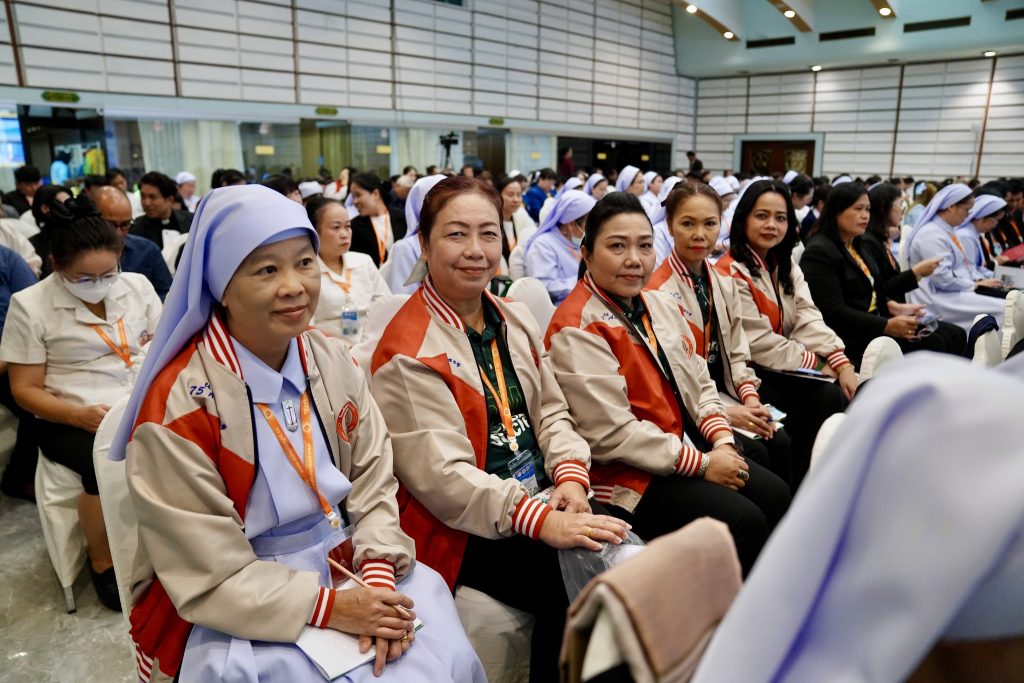
Addressing about 500 Catholic education leaders, the nuncio praised Catholic education in Thailand as a living tradition that has shaped generations of citizens, leaders, and professionals.
“The missionaries who first brought the faith to this land also brought with them the precious gift of education,” Archbishop Wells said.
He added that “legacy has become an integral part of the fabric of Thai society, producing responsible citizens, compassionate leaders, and dedicated professionals.”
While recognizing challenges such as declining birth rates and increased competition, he emphasized that Catholic schools’ most valuable strength is their Catholic identity.
“In a country where the vast majority of our students are not Christian, this identity is not a contradiction but an exceptional opportunity,” he said.
“Our schools must be places where our Catholic identity is not just a label, but a lived reality – a culture of mercy, forgiveness, and unity,” he added.
Drawing from the teachings of Pope Francis and Pope Benedict XVI, the nuncio reminded educators that Catholic schools are called to form the whole person—integrating intellect, character, and spirit.
He stressed that their mission goes beyond imparting knowledge, encompassing the shaping of values, nurturing of hearts, and guiding of students toward holiness.
As the four-day gathering began, Archbishop Wells urged teachers and administrators to see their mission as part of a greater pilgrimage of hope, rooted in faith.
“Let us be guardians of the good and the beautiful that shines forth in our faith,” he said.
Bishop Stephen Boonlert Promsena of Ubon Ratchathani, CECT president, told LiCAS News that this year’s theme is “a profound and meaningful topic at this time.”
He recalled Pope Francis’ Apostolic Message for the Holy Year 2025, which draws from Romans 5:5 – “Hope does not disappoint us.”
“The Holy Father pointed out that the Holy Year should be a time of mercy, forgiveness, and unity,” Bishop Promsena said. “This is not just a teaching, but a culture in all Catholic schools.”
In the keynote address, Chainarong Monthienvichienchai, Chancellor of St. John’s University in Bangkok, reflected on the significance of the Jubilee Year 2025, themed “Pilgrims of Hope.”
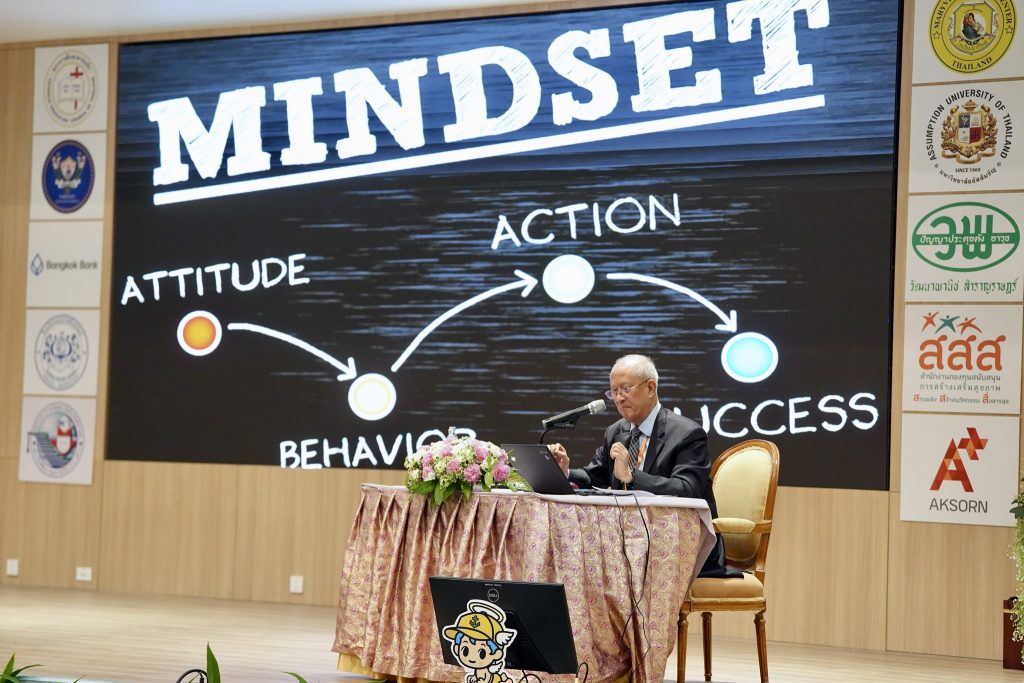
“The Jubilee Year is a special time of grace and mercy, and for Catholic educators, it’s an opportunity to reflect on their role in fostering hope and renewal within the Catholic school community,” he said.
He explained that the Jubilee, or Holy Year, is rooted in biblical tradition, a time of forgiveness of debts, liberation of slaves, and restoration of land.
“It is a time of spiritual renewal, pilgrimage, and reconciliation,” he added, encouraging educators to cultivate hope in students, especially during uncertain and difficult times.
Fr. Dr. Paul Ekarat Hompathum, CECT Secretary General, said the conference’s sessions would highlight Catholic Social Teaching in the context of the Jubilee’s focus on hope.
“Each session explores how Catholic educators can embody the spirit of hope and be a source of inspiration for their students, families, and the wider community,” he told LiCAS News.
The annual gathering brings together about 500 education leaders from hundreds of Catholic schools in Thailand’s 11 dioceses.
Nearly 60 percent are lay administrators, while the remaining 40 percent are bishops, priests, and religious men and women involved in the management of Catholic schools.