Calm has returned to Nepal after days of violent protests that left 72 young people dead and hundreds injured.
Schools, including Catholic institutions, have reopened as the country adjusts to a transitional government led by new Prime Minister Sushila Karki.
“The situation is currently relatively calm, with no demonstrators on the streets. Schools have reopened, both public and Catholic, and life is proceeding quite smoothly,” said Father Silas Bogati, Apostolic Administrator of the Vicariate of Nepal, in an interview with Vatican’s Fides News Agency.
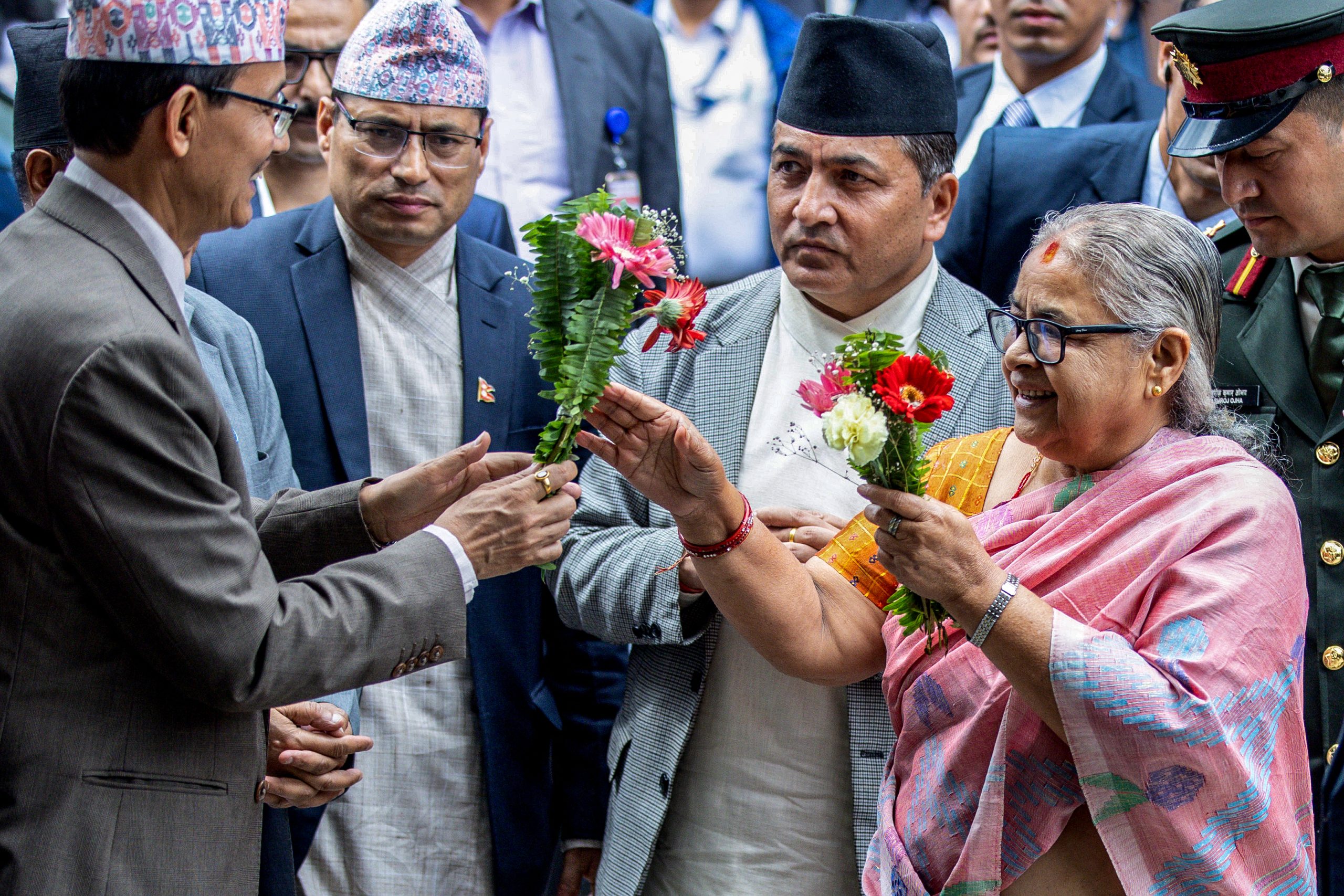
Karki, Nepal’s first female prime minister, is expected to lead a six-month caretaker government until new elections are held next year.
Father Bogati said the Catholic community is reassured by her record of defending justice. “We as a Catholic community also have confidence in Sushila Karki,” he said,
Bogati recalled Karki’s time as a lawyer when she defended a priest and several sisters wrongly accused in court cases.
“We have a good opinion of her and trust in her work in the coming months to act in accordance with the rule of law and the democratic principles of justice and legality,” he said.
The Apostolic Administrator acknowledged that tensions remain high, with political parties preparing new demonstrations.
“It seems that in the coming days, the political parties that have dominated the scene in recent years will also want to take to the streets and hold popular demonstrations,” he noted. “We hope this will not lead to further violence.”
He also pointed to the rise of a new social movement that has emerged during the unrest. The so-called “Generation Z,” he said, has become a force in the streets and on social media.
Father Bogati noted that Nepal’s so-called Generation Z has become a visible force during the unrest, especially on social media.
He said these young people show a strong sense of responsibility for the nation’s development and view it as their duty to safeguard the country’s future.
Their rallying cry of caring for the nation, he stressed, is a positive sign for Nepal, provided the movement remains peaceful and committed to justice.
For Nepal’s 8,000 Catholics, Father Bogati underlined that the Church rejects all forms of violence and remains committed to supporting peaceful development.
He said the community looks to the new government to uphold justice and tackle corruption, one of the country’s most persistent challenges.
The government has declared September 17 a national day of mourning. Those killed in the protests were recognized as “martyrs,” with officials pledging compensation and aid to their families.
Karki herself visited many of the wounded at Kathmandu Hospital, a gesture widely read as a statement of her political approach.