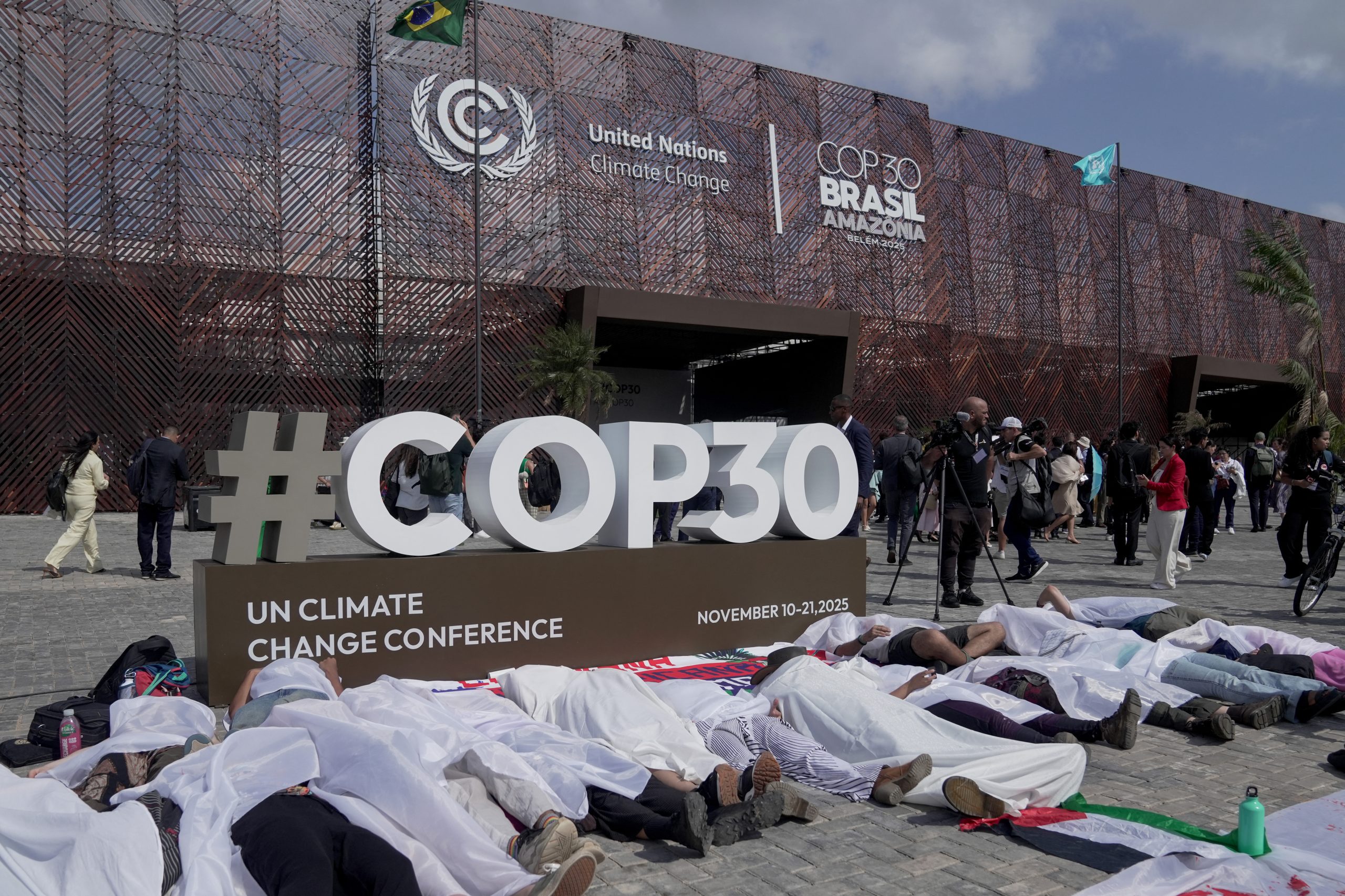
Cardinal Pablo Virgilio David of Kalookan urged governments and negotiators at COP30 to adopt the “Earth Tariff,” describing it as a concrete, justice-driven way to hold fossil fuel extractors accountable.
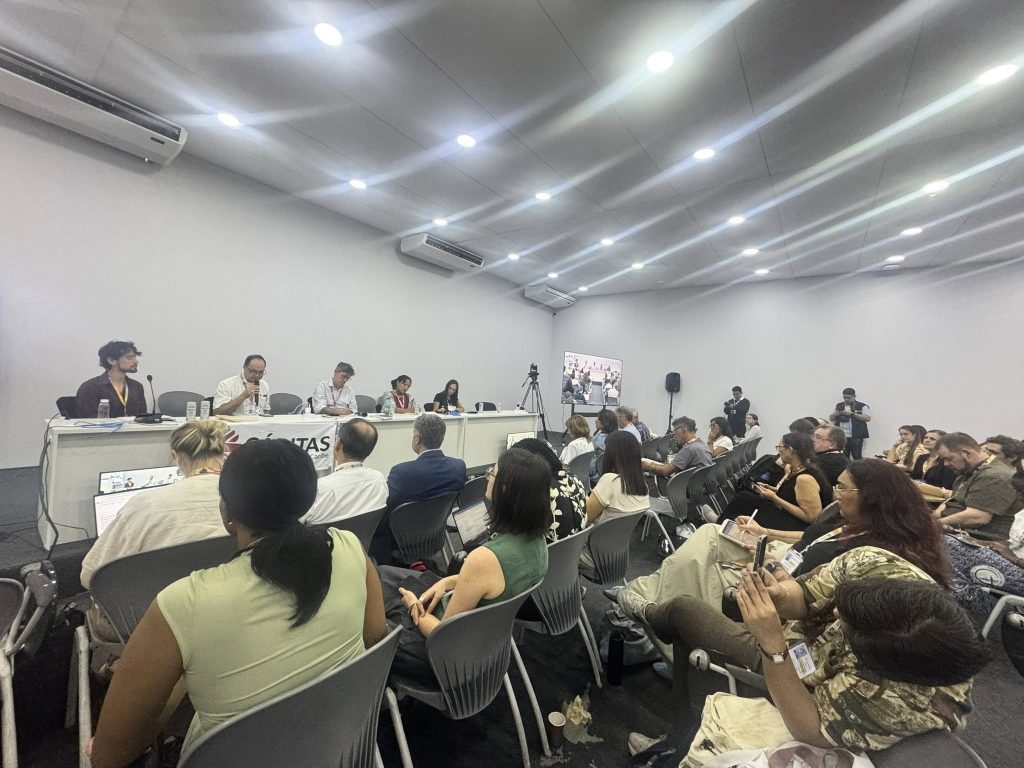
“From the Philippines, we bring a concrete contribution: the Earth Tariff, proposed by the Mindanao–Sulu Pastoral Conference,” he said at a side event in Belém.
“It is simple: Charge fossil fuel extractors a mandatory contribution at the point of extraction, before the damage is done,” David explained.
The prelate clarified that the Earth Tariff is not meant to serve as an offset, a loophole, or a permit for continued pollution, but as a restorative obligation and a moral duty to repair the harm caused by profit-driven industries.
He framed the proposal as both economic and theological. “Creation is not a commodity. It is a sacrament of communion—and communion demands justice.”
Cardinal David warned against “false solutions: carbon markets, offsets, and voluntary pledges that allow the wealthy to continue with business as usual while the poor pay with their lives.”
He said the climate debate must confront “the moral contradiction at the heart of our global response.” He underscored what he called a simple moral truth: climate finance should not be treated as charity but as justice.
He cited 2022 figures showing that Least Developed Countries and Small Island States repaid $59 billion in debts while receiving only $28 billion in climate finance, mostly as loans, an imbalance he described as not only inadequate but unjust.
“For vulnerable nations, especially in Asia, Africa, and the Pacific, the current system deepens dependency rather than builds resilience. Loans for climate loss and damage cannot heal injustice; they compound it,” he said.
Presenting the Earth Tariff as climate finance “in its most concrete and honest form,” he added, “those who gain the most from the Earth must be the first to repair it.”
He ended with a call for decisive, united action, saying the poor no longer seek abstract promises but courage, truth, and concrete measures that respond to the enormity of the crisis.
“From the Philippines, from a wounded people who refuse to surrender hope, thank you—and may we walk together toward a future where storms no longer dictate the fate of our children,” he said.