Southeast Asia is facing one of its deadliest monsoon seasons in recent years, with more than 900 people confirmed dead and hundreds still missing after floods and landslides swept through Indonesia, Thailand and Sri Lanka.
Officials across the region are struggling to clear debris, restore access to isolated communities, and resume stalled rescue operations hampered by damaged roads and unstable ground.
Indonesia has recorded 442 deaths and 402 people missing, according to figures released Sunday by the National Disaster Agency.
At least 646 people have been reported injured after severe rains triggered landslides and flash floods across Sumatra, Agence France-Presse (AFP) reported.
Central Tapanuli and Sibolga city remain inaccessible. National Disaster Agency head Suharyanto said both areas “require full attention due to being isolated,” adding that two warships sent from Jakarta were expected to reach Sibolga on Monday to deliver aid.
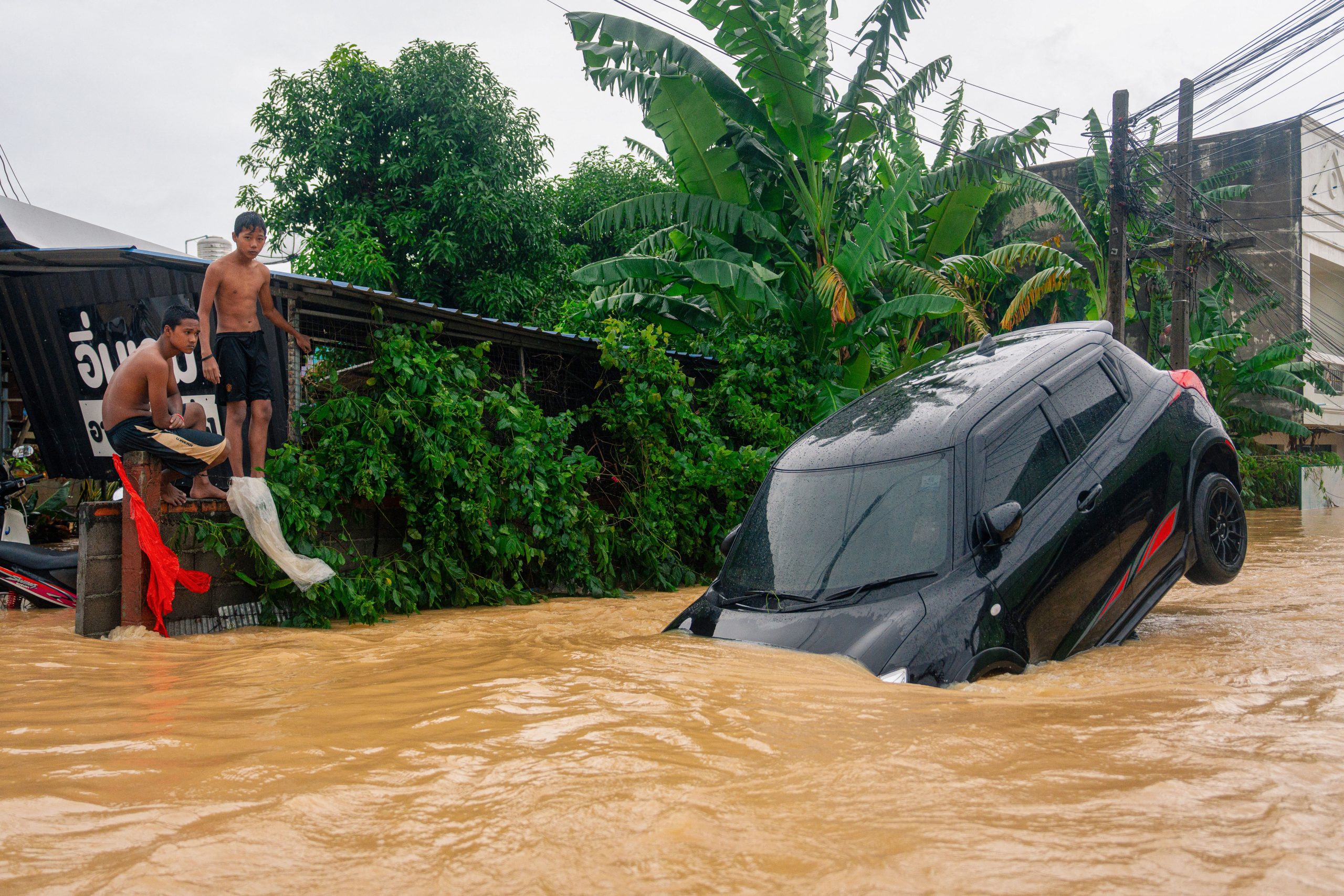
Thailand has confirmed at least 162 deaths in what officials describe as the country’s worst flooding in a decade.
Relief work continues, alongside government compensation of up to two million baht ($62,000) for families that lost relatives.
Even as aid is mobilized, criticism over the government’s response has intensified. Two local officials have been suspended over alleged failures as public frustration grows in flood-hit southern provinces.
Sri Lanka has reported the region’s highest number of deaths after Cyclone Ditwah triggered catastrophic flooding and landslides, killing 334 people and leaving nearly 400 missing.
More than 1.3 million people have been affected nationwide, according to the Disaster Management Centre.
President Anura Kumara Dissanayake, who declared a state of emergency, warned of the scale of the crisis.
“We are facing the largest and most challenging natural disaster in our history,” he said, adding, “Certainly, we will build a better nation than what existed before.”
Road access to the hardest-hit central region is only now being restored as teams clear fallen trees and mudslides.
Parts of Colombo remained underwater on Sunday, and authorities expect flood levels to take at least a day to recede.
A Sri Lanka Air Force Bell 212 helicopter delivering food crashed into a river north of the capital on Sunday evening. All five crew members survived and were brought to the hospital.
Another helicopter sent from India pulled 24 people to safety, including “a pregnant woman and a man in a wheelchair,” officials said.
Pakistan and Japan are also deploying rescue teams and technical specialists to support ongoing operations.
While seasonal floods are common, officials say the death tolls in Indonesia and Thailand are among the highest in recent years. Sri Lanka is confronting its worst disaster since the 2004 tsunami.
Vietnam is also recovering from deadly rains after more than 90 people were killed in flooding and landslides two weeks earlier.
Governments across Southeast Asia say search and rescue operations will continue in the days ahead, with thousands still unaccounted for and many communities reachable only by air or sea.
As floodwaters slowly recede, authorities warn of further landslides on rain-soaked slopes and the long-term challenges of rebuilding damaged homes, farms and public infrastructure.